





Exploring the Properties and Applications of Dimethyl Disulfide in Various Industries
Dimethyl Disulfide Properties, Uses, and Safety Considerations
Dimethyl disulfide (DMDS) is a chemical compound characterized by its unique structure and properties. With the molecular formula C2H6S2, it consists of two methyl groups (–CH3) attached to a disulfide bond (–S–S–) linking two sulfur atoms. This compound is a colorless liquid with a strong, garlic-like odor, and it is soluble in organic solvents but insoluble in water. DMDS plays a significant role in various industrial applications, and its characteristics raise interesting discussions regarding its uses and associated safety considerations.
Properties of Dimethyl Disulfide
DMDS has several notable physical and chemical properties. The compound has a relatively low boiling point of approximately 162°C (323.6°F) and a flash point of 37°C (98.6°F), indicating that it can evaporate easily and is flammable when exposed to open flames or high temperatures. Its density is about 1.078 g/cm³, making it denser than water. In terms of reactivity, DMDS can undergo oxidation to form sulfur-containing products, which may be useful in certain chemical syntheses.
The distinct odor of DMDS can be an informative characteristic; however, it may also be a nuisance in environments where the compound is used or produced. The threshold of odor detection can be as low as 0.5 parts per million, which means that even minute concentrations can be detected by the human nose.
Industrial Applications
Dimethyl disulfide is utilized in various industries, reflecting its versatile nature. One of the prominent applications of DMDS is as a sulfur source in the production of pesticides and herbicides. It acts as a key ingredient in certain formulations, providing crucial sulfur components that are vital for the efficacy of these agricultural chemicals.
Furthermore, DMDS is employed in the petroleum industry as a solvent and a reagent in the extraction of metal sulfides. Its ability to solubilize certain metal compounds enhances its utility in metal recovery processes. Additionally, it can be found in the manufacture of flavors and fragrances, where its strong odor adds distinctive scents to products.
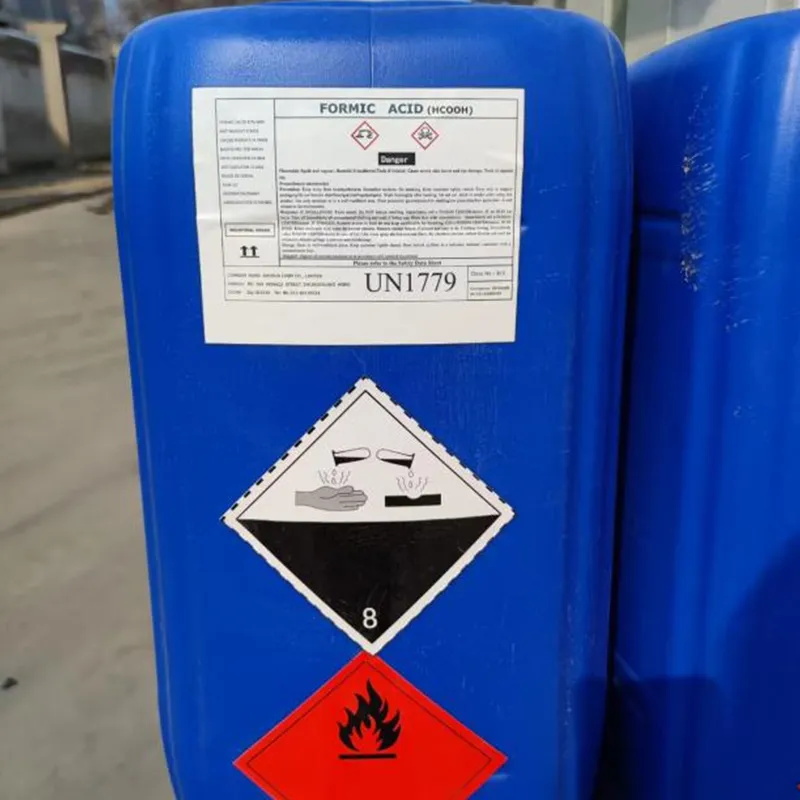
dimethyl disulfide
The food industry also leverages DMDS, particularly in the production of certain food additives, where its sulfur components contribute to flavor enhancement. This unique application has sparked interest among food scientists and chemists seeking natural flavoring alternatives.
Environmental Considerations
Despite its myriad applications, the use of dimethyl disulfide raises environmental and safety concerns. The strong odor can contribute to air quality issues, particularly in industrial settings where large amounts may be released. Proper ventilation and containment strategies are imperative to minimize exposure and maintain indoor air quality.
Moreover, the flammability of DMDS demands strict adherence to safety protocols during storage and handling. The compound must be stored in cool, well-ventilated areas away from sources of ignition. Safety data sheets (SDS) should always be consulted to ensure that workers are aware of the hazards associated with its use and storage. Protective gear, including gloves and safety goggles, should be worn to prevent skin or eye exposure.
Health Impacts
Healthwise, exposure to dimethyl disulfide can be problematic. While it is generally considered to have low toxicity, inhalation of vapors can result in respiratory irritation, headaches, dizziness, and gastrointestinal issues in some individuals. Chronic exposure may lead to more severe health effects, which underscores the necessity of monitoring occupational exposure levels in environments where DMDS is used.
Conclusion
Dimethyl disulfide is a chemical compound that holds significance across multiple industries due to its unique properties and applications. From agriculture to food production and metal recovery, it offers versatility that supports various sectors. However, its strong odor and potential health impacts warrant careful handling and awareness of safety protocols. As industries continue to explore the potential of chemical compounds like DMDS, balancing their benefits with safety and environmental concerns will remain a critical focus in ongoing research and development.
-
How to Choose Dimethyl Disulfide DMDS for Industrial UseNewsNov.09,2026
-
Aspartame Buyer FAQ: Sweetness, Specifications and ApplicationsNewsNov.02,2026
-
Aluminum Hydroxide FAQ: Specifications, Ordering and Support QuestionsNewsOct.28,2026
-
Improve Crop Yield with Premium Calcium Boron FertilizerNewsJul.01,2026
-
Ultimate Guide to Cal Mag Fertilizer for Boosting Plant HealthNewsJun.29,2026
-
Maximize Crop Recovery Using High Performance Bounce Back FertilizerNewsJun.27,2026
-
Maximize Crop Yields and Soil Health with Biozyme FertilizerNewsJun.26,2026
Hebei Tenger Chemical Technology Co., Ltd. focuses on the chemical industry and is committed to the export service of chemical raw materials.
-

view more Tplyltriazole(TTA)Tplyltriazole is a powerful and versatile corrosion inhibitor,it is a white particle or powder that is easily hygroscopic and can be processed into large, small, columnar, fine, or powdered shapes.It is a highly effective solution for preventing rust and corrosion on a variety of metal surfaces, making it an ideal choice for a wide range of applications. -

view more Formic AcidFormic acid, is a colorless, pungent-smelling liquid.With its unique properties and diverse applications that serves a wide range of industrial and commercial applications. -

view more Aluminum HydroxideAluminum Hydroxide, a versatile and essential product for a wide range of applications.This product is a white, amorphous powder that is insoluble in water and has a variety of uses in industries such as pharmaceuticals, cosmetics, and manufacturing.