





Exploring the Properties and Applications of Dimethyl Disulfide CAS Compound
Dimethyl Disulfide An Overview
Dimethyl disulfide (DMDS), with the chemical formula (CH₃)₂S₂, is an organosulfur compound that has garnered attention in various fields due to its unique properties and applications. As a colorless liquid with a strong, unpleasant odor reminiscent of garlic or rotting vegetables, it is noteworthy both for its industrial utility and its implications in environmental science.
Chemical Properties
Dimethyl disulfide is a member of the disulfide family and consists of two methyl groups attached to a disulfide bond. Its molecular weight is 94.19 g/mol, and it has a boiling point of approximately 118 °C and a melting point of -60 °C. The compound is soluble in organic solvents but has low solubility in water. DMDS is flammable and should be handled with care, as its vapors can be irritating to the eyes and respiratory system.
Production
DMDS can be produced through several methods, with the most common being the oxidation of dimethyl sulfide (DMS). DMS is typically derived from the microbial degradation of sulfur-containing compounds or can be produced synthetically. The conversion involves the reaction of DMS with sulfur or via the oxidation process, resulting in DMDS.
Applications
In industrial settings, dimethyl disulfide is primarily used as a chemical intermediate, particularly in the production of various sulfur-containing compounds. One of its prominent uses is in the petrochemical industry, where it serves as a sulfur donor in several processes, including oil refining and gas processing. This role is critical for enhancing the quality of fuels and reducing nitrogen oxide emissions during combustion.
dimethyl disulfide cas
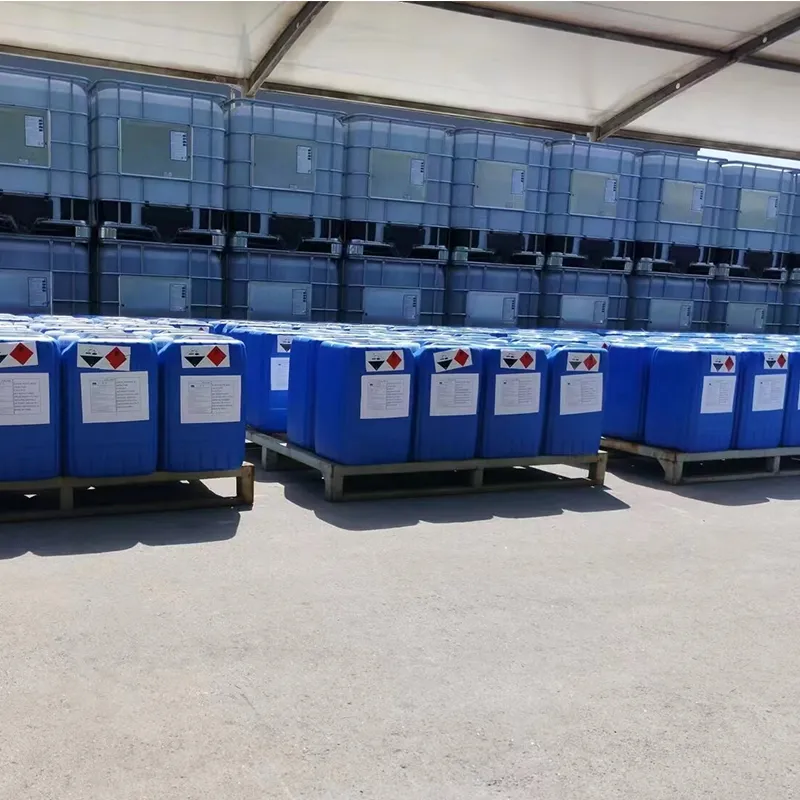
Furthermore, DMDS acts as a pungent marker in gas detection systems, helping to identify gas leaks in pipelines and storage facilities due to its easily recognizable odor. This safety feature is significant in industrial and commercial environments, where hazardous gas leaks can pose serious risks.
In agriculture, DMDS is emerging as a legitimate nematicide and soil fumigant. Its application helps control nematodes and other soil pathogens, contributing to improved crop yield and health. By effectively managing pests, DMDS supports sustainable agricultural practices and integrated pest management strategies.
Environmental Considerations
While dimethyl disulfide has several beneficial uses, its environmental impact cannot be overlooked. The compound can be released into the atmosphere during industrial activities, and its strong odor can lead to complaints from the surrounding communities. Moreover, DMDS can contribute to the formation of sulfur oxides and other pollutants when it undergoes atmospheric oxidation.
As stricter environmental regulations come into effect, industries utilizing DMDS are required to adopt better management practices to minimize emissions and ensure compliance. Ongoing research is focused on finding less harmful alternatives and more efficient methods for applying DMDS in agricultural contexts.
Conclusion
Dimethyl disulfide is a versatile and useful compound with applications ranging from the petrochemical industry to agriculture. Its effectiveness in improving fuel quality and controlling agricultural pests signifies its importance in modern practices. However, its environmental implications necessitate careful management to mitigate potential hazards. As research progresses and regulations evolve, the focus may shift towards sustainable practices regarding the use of DMDS, ensuring that its benefits can be harnessed without compromising environmental integrity.
In summary, DMDS, while seemingly noxious, plays an important role in industrial processes and agriculture, and ongoing advancements in management and research will determine its future role in a more sustainable world.
-
Aspartame Buyer FAQ: Sweetness, Specifications and ApplicationsNewsNov.02,2026
-
Aluminum Hydroxide FAQ: Specifications, Ordering and Support QuestionsNewsOct.28,2026
-
Improve Crop Yield with Premium Calcium Boron FertilizerNewsJul.01,2026
-
Ultimate Guide to Cal Mag Fertilizer for Boosting Plant HealthNewsJun.29,2026
-
Maximize Crop Recovery Using High Performance Bounce Back FertilizerNewsJun.27,2026
-
Maximize Crop Yields and Soil Health with Biozyme FertilizerNewsJun.26,2026
-
Sustainable Agriculture Guide using bio organic fertilizerNewsJun.25,2026
Hebei Tenger Chemical Technology Co., Ltd. focuses on the chemical industry and is committed to the export service of chemical raw materials.
-

view more Tplyltriazole(TTA)Tplyltriazole is a powerful and versatile corrosion inhibitor,it is a white particle or powder that is easily hygroscopic and can be processed into large, small, columnar, fine, or powdered shapes.It is a highly effective solution for preventing rust and corrosion on a variety of metal surfaces, making it an ideal choice for a wide range of applications. -

view more Formic AcidFormic acid, is a colorless, pungent-smelling liquid.With its unique properties and diverse applications that serves a wide range of industrial and commercial applications. -

view more Aluminum HydroxideAluminum Hydroxide, a versatile and essential product for a wide range of applications.This product is a white, amorphous powder that is insoluble in water and has a variety of uses in industries such as pharmaceuticals, cosmetics, and manufacturing.