





Exploring the Properties and Applications of Dimethyl Disulfide in Various Industries
Understanding Dimethyl Disulfide A Comprehensive Overview
Dimethyl disulfide (DMDS) is a chemical compound with the formula C2H6S2. It is an organosulfur compound characterized by its strong odor, which is often compared to that of garlic or rotten cabbage. The compound is a colorless liquid at room temperature and is notable for its applications in various industries, including agriculture, food, and petrochemical sectors. In this article, we will explore the properties, production, safety measures, and applications of dimethyl disulfide.
Properties of Dimethyl Disulfide
DMDS has a molecular weight of 94.19 g/mol and possesses a boiling point of approximately 162 °C (324 °F). The density of dimethyl disulfide is about 1.03 g/cm³, making it slightly heavier than water. It is poorly soluble in water but is miscible with organic solvents such as alcohols and ethers. The strong odor of DMDS is one of its most distinguishing characteristics and serves as a warning signal for its presence, given its potential hazards.
Production of Dimethyl Disulfide
Dimethyl disulfide is produced through various methods, the most common of which involves the reaction of methanol with hydrogen sulfide. This process usually occurs in catalytic reactors under controlled conditions. Another method includes the oxidative sulfurization of dimethyl sulfide, where dimethyl sulfide is oxidized to form DMDS. The synthesis of dimethyl disulfide is often managed in industrial settings to ensure efficiency and safety, as the chemical reactions involved can be hazardous.
Safety and Handling
While dimethyl disulfide has valuable industrial applications, it also poses potential health risks. Exposure to DMDS can result in irritation of the eyes, skin, and respiratory tract. Prolonged or high-level exposure may lead to more severe health issues, such as pulmonary effects or neurological symptoms. Therefore, it is crucial to adhere to safety regulations when handling this compound. Proper personal protective equipment (PPE), including gloves and masks, should be worn to minimize exposure.
dimethyl disulfide cas
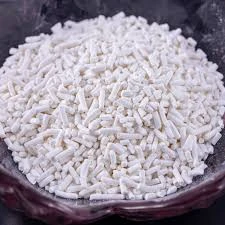
Additionally, in industrial settings, proper ventilation and storage practices are essential to prevent the accumulation of the vapor, which can be hazardous due to its flammability and potential health risks. Emergency protocols should also be established in case of accidental spills or exposure.
Applications of Dimethyl Disulfide
Dimethyl disulfide is used in several notable applications, primarily in agriculture and the food industry. In agriculture, DMDS is utilized as a soil fumigant before planting to control harmful nematodes and soil-borne pathogens. Its efficacy in pest control enhances crop yields and contributes to healthier soil conditions.
In the food industry, DMDS is often used as a flavoring agent. Its distinct aroma can enhance certain food products, particularly in the preparation of sauces and other culinary applications. It is also used for its antimicrobial properties, helping to improve the safety and shelf life of various food items.
Moreover, in the petrochemical industry, dimethyl disulfide is used as a solvent and a chemical intermediate in the synthesis of other organosulfur compounds. Its chemical properties make it valuable in processes such as the extraction and refinement of certain products.
Conclusion
Dimethyl disulfide is a versatile chemical compound with significant applications across various industries. While it offers beneficial uses in agriculture, food, and petrochemicals, the safety measures surrounding its handling and use are paramount due to its potential health risks. Understanding the properties, production methods, and applications of DMDS can provide valuable insights for professionals working with this compound, ensuring both efficacy and safety in its various applications. As the demand for agricultural and industrial chemicals continues to grow, the importance of compounds like dimethyl disulfide remains central to the ongoing developments in these fields.
-
How to Choose Dimethyl Disulfide DMDS for Industrial UseNewsNov.09,2026
-
Aspartame Buyer FAQ: Sweetness, Specifications and ApplicationsNewsNov.02,2026
-
Aluminum Hydroxide FAQ: Specifications, Ordering and Support QuestionsNewsOct.28,2026
-
Improve Crop Yield with Premium Calcium Boron FertilizerNewsJul.01,2026
-
Ultimate Guide to Cal Mag Fertilizer for Boosting Plant HealthNewsJun.29,2026
-
Maximize Crop Recovery Using High Performance Bounce Back FertilizerNewsJun.27,2026
-
Maximize Crop Yields and Soil Health with Biozyme FertilizerNewsJun.26,2026
Hebei Tenger Chemical Technology Co., Ltd. focuses on the chemical industry and is committed to the export service of chemical raw materials.
-

view more Tplyltriazole(TTA)Tplyltriazole is a powerful and versatile corrosion inhibitor,it is a white particle or powder that is easily hygroscopic and can be processed into large, small, columnar, fine, or powdered shapes.It is a highly effective solution for preventing rust and corrosion on a variety of metal surfaces, making it an ideal choice for a wide range of applications. -

view more Formic AcidFormic acid, is a colorless, pungent-smelling liquid.With its unique properties and diverse applications that serves a wide range of industrial and commercial applications. -

view more Aluminum HydroxideAluminum Hydroxide, a versatile and essential product for a wide range of applications.This product is a white, amorphous powder that is insoluble in water and has a variety of uses in industries such as pharmaceuticals, cosmetics, and manufacturing.