





An Overview of E1400 Food Additive and Its Applications in the Food Industry
Understanding E1400 The Role of Food Additive in Our Diet
Food additives play a significant role in the modern food industry, influencing everything from flavor to shelf life. Among the myriad of food additives, E1400 stands out as a unique component. Commonly known as Dextrin, E1400 serves various purposes in the food manufacturing process, leading to its widespread use. This article delves into what E1400 is, its functions in food production, potential health implications, and its presence in our everyday diets.
What is E1400?
E1400 is classified as a food additive derived from starch. It is often created through a process known as hydrolysis, wherein starch is subjected to enzymes or heat, causing it to break down into smaller chains of glucose molecules. This modification transforms starch into dextrin, which can be further classified into various types based on the degree of polymerization. E1400 can either be obtained from regular starch or modified starch, making it versatile in its applications.
Functions of E1400 in Food Production
E1400 serves multiple purposes in the realm of food production. One of its predominant functions is as a thickening agent. By increasing the viscosity of food products, E1400 helps achieve the desired texture and consistency in items such as sauces, dressings, and soups. Additionally, it acts as a stabilizer for emulsions, ensuring that oil and water do not separate in products like mayonnaise or salad dressings.
Another critical role of E1400 is its function as a bulking agent. In low-calorie or sugar-free products, dextrins can add volume while maintaining a lower caloric content. This makes E1400 a favorite among manufacturers creating healthy alternatives, as it can replace sugars and fats without compromising on taste or texture.
E1400 also contributes to mouthfeel in food products, enhancing the overall eating experience. For instance, in dairy products like yogurt or ice cream, dextrin can create a creamier consistency. Additionally, it aids in moisture retention, which can extend the shelf life of baked goods and other perishable items.
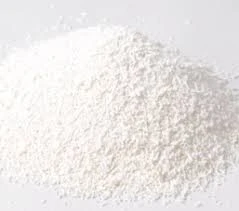
e1400 food additive
Potential Health Implications
While E1400 is considered safe for consumption and is approved by regulatory agencies, understanding its impact on health is essential. For most individuals, consuming foods containing E1400 poses no health risks. Dextrins are generally recognized as safe (GRAS) by the U.S. Food and Drug Administration (FDA). However, excessive consumption may lead to digestive issues, especially for individuals with sensitivities to starches or those following low-carbohydrate diets.
Moreover, due to its source from starch, E1400 can contribute to blood sugar levels. For people with diabetes or insulin sensitivity, it's essential to monitor the intake of products containing E1400, as it can affect glycemic response.
Presence in Everyday Diets
E1400 can be found in various processed food items that consumers often overlook. It is prominent in sauces, dressings, soups, snacks, and many baked goods. It is also frequently utilized in gluten-free products, where it helps improve texture and consistency.
Consumers seeking healthful options may notice E1400 in items labeled as low-calorie or sugar-free. Many food manufacturers leverage dextrins to create products that satisfy consumer demands for healthier alternatives while maintaining taste and texture.
Conclusion
E1400, or dextrin, plays an integral role in the modern food landscape. Its multifunctional properties—from thickening and stabilizing to bulking and enhancing texture—make it a valuable tool for food manufacturers. While generally recognized as safe for most individuals, awareness of one’s dietary needs and sensitivities is crucial. As we navigate the world of food additives, E1400 stands as a testament to the innovative ways the food industry meets consumer demands while striving for quality and healthfulness in food production. Understanding its role can empower consumers to make informed choices about the products they consume daily.
-
Aspartame Buyer FAQ: Sweetness, Specifications and ApplicationsNewsNov.02,2026
-
Aluminum Hydroxide FAQ: Specifications, Ordering and Support QuestionsNewsOct.28,2026
-
Improve Crop Yield with Premium Calcium Boron FertilizerNewsJul.01,2026
-
Ultimate Guide to Cal Mag Fertilizer for Boosting Plant HealthNewsJun.29,2026
-
Maximize Crop Recovery Using High Performance Bounce Back FertilizerNewsJun.27,2026
-
Maximize Crop Yields and Soil Health with Biozyme FertilizerNewsJun.26,2026
-
Sustainable Agriculture Guide using bio organic fertilizerNewsJun.25,2026
Hebei Tenger Chemical Technology Co., Ltd. focuses on the chemical industry and is committed to the export service of chemical raw materials.
-

view more Tplyltriazole(TTA)Tplyltriazole is a powerful and versatile corrosion inhibitor,it is a white particle or powder that is easily hygroscopic and can be processed into large, small, columnar, fine, or powdered shapes.It is a highly effective solution for preventing rust and corrosion on a variety of metal surfaces, making it an ideal choice for a wide range of applications. -

view more Formic AcidFormic acid, is a colorless, pungent-smelling liquid.With its unique properties and diverse applications that serves a wide range of industrial and commercial applications. -

view more Aluminum HydroxideAluminum Hydroxide, a versatile and essential product for a wide range of applications.This product is a white, amorphous powder that is insoluble in water and has a variety of uses in industries such as pharmaceuticals, cosmetics, and manufacturing.