





Understanding E160a Food Additive Benefits, Uses, and Safety Concerns Explained
Understanding E160a A Comprehensive Overview of Carotenes as Food Additives
E160a, commonly referred to as Carotenes, is a food additive derived from natural sources, primarily utilized for its vibrant color-enhancing properties. This additive falls under the category of natural colorants and is widely recognized for its role in a variety of food products, beverages, and cosmetics. In this article, we will explore the characteristics, sources, applications, and safety considerations of E160a, providing a well-rounded understanding of this intriguing food additive.
What is E160a?
E160a encompasses a range of carotenoids, the most notable of which is beta-carotene, a pigment that can be found in many fruits and vegetables. Carotenes are responsible for the yellow, orange, and red colors seen in many natural foods. Aside from its function as a coloring agent, beta-carotene is also a precursor to vitamin A, making it an important component in human nutrition. When consumed, the body can convert beta-carotene into retinol, the active form of vitamin A, which is essential for various bodily functions, including vision, immune response, and skin health.
Sources of E160a
Natural sources of E160a include a variety of foods rich in carotenoids. Carrots, sweet potatoes, butternut squash, pumpkins, and leafy greens such as spinach and kale are all excellent sources. In addition to these, certain fruits like oranges, mangoes, and apricots also contain significant amounts of beta-carotene. To extract E160a for use as a food additive, it is often derived from these natural sources through processes that concentrate the pigment without the addition of synthetic chemicals, thus enhancing its status as a natural additive.
Applications in the Food Industry
E160a is widely employed in the food industry as a coloring agent, providing aesthetically pleasing hues to products while also appealing to consumers' perceptions of health and nutrition. It is commonly found in dairy products, baked goods, snack foods, sauces, spreads, and beverages, among others. The versatility of E160a allows manufacturers to create products that are not only visually appealing but also retain their natural identity when sourced from plants.
e160a food additive
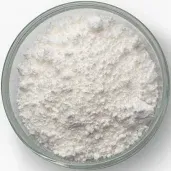
In addition to its coloring properties, E160a also possesses antioxidant qualities, which can contribute to the preservation of food products. The inherent ability of carotenoids to scavenge free radicals makes them a valuable addition to formulations that require enhanced shelf life and stability.
Safety and Regulatory Status
E160a has been deemed safe for consumption by numerous regulatory bodies worldwide, including the European Food Safety Authority (EFSA) and the U.S. Food and Drug Administration (FDA). As a naturally occurring substance, it undergoes rigorous testing to ensure that it meets safety standards for human consumption.
According to research, the daily intake of natural carotenoids from food sources is not only safe but also beneficial for health. However, it is essential to monitor the intake of synthetic forms or highly concentrated extracts since excessive consumption of synthetic beta-carotene has been linked to possible adverse health effects in specific populations, such as smokers or individuals with certain health conditions.
Conclusion
E160a, or carotenes, exemplifies the intersection of nature and innovation within the food industry. Its role as a natural colorant not only enhances the visual appeal of products but also serves nutritional benefits, including its contribution to vitamin A intake. With the growing consumer awareness of natural ingredients, E160a's place as a favored food additive is likely to continue.
As we move towards a health-conscious society that values transparency and quality in food production, additives like E160a prove that it is possible to achieve both aesthetic and health-related goals in food manufacturing. As always, a balanced diet containing various foods rich in natural carotenoids remains the best approach to harnessing the benefits of this vibrant additive.
-
How to Choose Dimethyl Disulfide DMDS for Industrial UseNewsNov.09,2026
-
Aspartame Buyer FAQ: Sweetness, Specifications and ApplicationsNewsNov.02,2026
-
Aluminum Hydroxide FAQ: Specifications, Ordering and Support QuestionsNewsOct.28,2026
-
Improve Crop Yield with Premium Calcium Boron FertilizerNewsJul.01,2026
-
Ultimate Guide to Cal Mag Fertilizer for Boosting Plant HealthNewsJun.29,2026
-
Maximize Crop Recovery Using High Performance Bounce Back FertilizerNewsJun.27,2026
-
Maximize Crop Yields and Soil Health with Biozyme FertilizerNewsJun.26,2026
Hebei Tenger Chemical Technology Co., Ltd. focuses on the chemical industry and is committed to the export service of chemical raw materials.
-

view more Tplyltriazole(TTA)Tplyltriazole is a powerful and versatile corrosion inhibitor,it is a white particle or powder that is easily hygroscopic and can be processed into large, small, columnar, fine, or powdered shapes.It is a highly effective solution for preventing rust and corrosion on a variety of metal surfaces, making it an ideal choice for a wide range of applications. -

view more Formic AcidFormic acid, is a colorless, pungent-smelling liquid.With its unique properties and diverse applications that serves a wide range of industrial and commercial applications. -

view more Aluminum HydroxideAluminum Hydroxide, a versatile and essential product for a wide range of applications.This product is a white, amorphous powder that is insoluble in water and has a variety of uses in industries such as pharmaceuticals, cosmetics, and manufacturing.