





Understanding E20200 Preservative and Its Applications in Food Preservation
Understanding E202 The Role of Sorbic Acid as a Preservative
In an era where food safety and preservation are paramount, the search for effective preservatives has become increasingly important. One such preservative that has garnered attention is E202, known as sorbic acid. This article delves into the origins, applications, benefits, and considerations surrounding the use of E202 in our food products.
What is E202?
E202 is the European food additive number assigned to sorbic acid, a naturally occurring organic compound. It was first discovered in the early 19th century and is derived from the berries of the mountain ash tree. Sorbic acid has become widespread in food processing due to its ability to inhibit mold, yeast, and certain bacteria, thus extending the shelf life of various products.
How Does E202 Work?
E202 operates primarily by disrupting the cellular processes of fungi and bacteria. When added to food, sorbic acid can penetrate microbial cells and affect their metabolism, preventing growth and proliferation. This mechanism is especially effective in acidic environments, which is why E202 is often found in products like cheese, yogurt, and fruit preserves. The compound is generally recognized as safe, and its effectiveness is enhanced in conjunction with other preservation methods, such as refrigeration and vacuum packaging.
Applications of E202
E202 finds its use in a wide range of food products
. Some common applications include1. Baked Goods Sorbic acid is used in bread and pastries to prevent mold growth, extending freshness and reducing waste. 2. Dairy Products It is commonly added to cheese and yogurt to inhibit spoilage and maintain quality over time.
3. Fruit Products In jams, jellies, and fruit juices, E202 acts as a mold inhibitor, ensuring that these products remain safe and palatable.
e 200 preservative
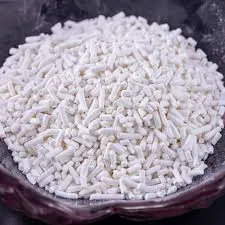
4. Meat Products Processed meats may also contain sorbic acid, helping to prevent spoilage and improve shelf life.
Beyond food, E202 is also utilized in cosmetics and personal care products to prevent microbial contamination and extend product life.
Benefits of Using E202
One of the primary advantages of using sorbic acid as a preservative is its effectiveness at low concentrations, making it a cost-efficient option for manufacturers. Additionally, unlike some other preservatives, E202 does not impact the flavor or aroma of food products, allowing consumers to enjoy their meals without any noticeable changes.
Moreover, sorbic acid is considered a safer alternative to synthetic preservatives, as it is derived from natural sources. This makes it appealing to health-conscious consumers who prefer products that are less processed. Furthermore, because of its widespread use and acceptance, E202 has undergone extensive safety evaluations, including studies by the Food and Drug Administration (FDA) and the European Food Safety Authority (EFSA).
Considerations and Controversies
While the benefits of E202 are substantial, some consumers remain cautious. The rise in dietary preferences, such as veganism or clean eating, has led to an increased scrutiny of food additives, including sorbic acid. Although considered safe for consumption, individuals with sensitivities or allergies may react adversely to certain food additives.
Additionally, there is ongoing debate regarding the long-term health effects of consuming preservatives in large quantities. While regulatory bodies endorse E202 as safe within established limits, some argue that more research is needed to fully understand the implications of prolonged exposure to various food additives.
Conclusion
E202, or sorbic acid, plays a crucial role in food preservation by extending the shelf life of products while maintaining safety and quality. Its ability to effectively inhibit mold and bacteria makes it a valuable tool for food manufacturers, offering both economic and practical benefits. As consumers become more informed about the ingredients in their food, the discussion surrounding preservatives like E202 will likely continue to evolve. Ultimately, understanding the role of such additives can help consumers make better choices regarding their dietary preferences and lead to a more balanced approach to nutrition.
-
Aspartame Buyer FAQ: Sweetness, Specifications and ApplicationsNewsNov.02,2026
-
Aluminum Hydroxide FAQ: Specifications, Ordering and Support QuestionsNewsOct.28,2026
-
Improve Crop Yield with Premium Calcium Boron FertilizerNewsJul.01,2026
-
Ultimate Guide to Cal Mag Fertilizer for Boosting Plant HealthNewsJun.29,2026
-
Maximize Crop Recovery Using High Performance Bounce Back FertilizerNewsJun.27,2026
-
Maximize Crop Yields and Soil Health with Biozyme FertilizerNewsJun.26,2026
-
Sustainable Agriculture Guide using bio organic fertilizerNewsJun.25,2026
Hebei Tenger Chemical Technology Co., Ltd. focuses on the chemical industry and is committed to the export service of chemical raw materials.
-

view more Tplyltriazole(TTA)Tplyltriazole is a powerful and versatile corrosion inhibitor,it is a white particle or powder that is easily hygroscopic and can be processed into large, small, columnar, fine, or powdered shapes.It is a highly effective solution for preventing rust and corrosion on a variety of metal surfaces, making it an ideal choice for a wide range of applications. -

view more Formic AcidFormic acid, is a colorless, pungent-smelling liquid.With its unique properties and diverse applications that serves a wide range of industrial and commercial applications. -

view more Aluminum HydroxideAluminum Hydroxide, a versatile and essential product for a wide range of applications.This product is a white, amorphous powder that is insoluble in water and has a variety of uses in industries such as pharmaceuticals, cosmetics, and manufacturing.