





e201 preservative
Understanding E201 Preservative Safety, Applications, and Controversies
In today's food production landscape, preservatives play a crucial role in extending the shelf life of various products. Among these preservatives, E201, also known as sodium sorbate, has gained significant attention for its wide range of applications and its overall effectiveness. This article aims to provide a comprehensive understanding of E201, examining its chemical properties, uses, safety considerations, and the controversies surrounding its application.
What is E201?
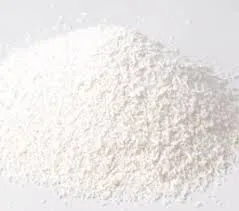
E201 is the European food additive code for sodium sorbate, a chemical compound derived from sorbic acid. It appears as a white crystalline powder and is known for its ability to inhibit the growth of mold, yeast, and some bacteria, making it invaluable in food preservation. E201 is often categorized as a Generally Recognized as Safe (GRAS) substance by food safety authorities, including the Food and Drug Administration (FDA) and the European Food Safety Authority (EFSA).
Applications of E201
Sodium sorbate is used in a variety of food products, including baked goods, dairy items, beverages, and canned foods. It is particularly useful in products that require a longer shelf life without refrigeration, such as
1. Baked Goods E201 helps maintain freshness and prevents the growth of mold, allowing breads and pastries to stay edible for longer. 2. Cheese In cheese production, sodium sorbate prevents the growth of molds that could spoil the product. 3. Beverages Many soft drinks and fruit juices contain E201 to ensure that they remain stable over time and free from microbial contamination. 4. Canned Foods Foods preserved in cans can benefit from E201, ensuring they remain safe and palatable throughout their shelf life.
Beyond food, E201 is also utilized in the cosmetic and pharmaceutical industries, where it is added to products like lotions and medicines to prevent microbial growth and maintain product integrity.
Safety and Regulatory Status
e201 preservative
The safety of E201 has been the subject of extensive research. Regulatory agencies worldwide have conducted studies to evaluate its effects on human health. So far, these studies have found that sodium sorbate is safe for consumption at the levels typically used in food products.
For instance, the EFSA has established an acceptable daily intake (ADI) for sodium sorbate, which indicates the amount a person can consume daily over a lifetime without health risks. While most individuals will not come close to this limit, those with sensitivities or allergies may need to avoid products containing this additive.
However, there are concerns about the potential for allergic reactions and the possibility of negative effects when consumed in excessive quantities. Some studies have suggested a link between high intake levels and certain adverse effects, although these findings remain inconclusive and often require further investigation.
Controversies and Consumer Awareness
Despite the established safety profile of E201, some consumers express concerns about chemical additives in food. This sentiment has led to a growing trend towards clean label products—those that do not contain synthetic preservatives or additives. As a result, manufacturers are responding to consumer demand by reformulating products to minimize or eliminate the use of preservatives like E201.
Moreover, the debate about food additives is often fueled by misunderstandings or misinformation. While sodium sorbate is seen as a necessary ingredient for preserving food, some critics argue that reliance on such chemicals may detract from the natural qualities of food. This conflicting narrative has encouraged more rigorous labeling practices, as consumers seek transparency regarding what they are eating.
Conclusion
E201, or sodium sorbate, serves as an effective preservative in various food products, enabling longer shelf lives and preventing spoilage. While regulatory bodies deem it safe within established limits, consumer concerns about chemical additives continue to shape market trends and product formulations. As awareness grows, both consumers and manufacturers will need to navigate the delicate balance between food safety, preservation, and the desire for natural ingredients. Whether viewed as a necessary preservative or a dubious addition, E201 remains a significant player in the food industry, prompting ongoing discussions about the future of food preservation.
-
How to Choose Dimethyl Disulfide DMDS for Industrial UseNewsNov.09,2026
-
Aspartame Buyer FAQ: Sweetness, Specifications and ApplicationsNewsNov.02,2026
-
Aluminum Hydroxide FAQ: Specifications, Ordering and Support QuestionsNewsOct.28,2026
-
Improve Crop Yield with Premium Calcium Boron FertilizerNewsJul.01,2026
-
Ultimate Guide to Cal Mag Fertilizer for Boosting Plant HealthNewsJun.29,2026
-
Maximize Crop Recovery Using High Performance Bounce Back FertilizerNewsJun.27,2026
-
Maximize Crop Yields and Soil Health with Biozyme FertilizerNewsJun.26,2026
Hebei Tenger Chemical Technology Co., Ltd. focuses on the chemical industry and is committed to the export service of chemical raw materials.
-

view more Tplyltriazole(TTA)Tplyltriazole is a powerful and versatile corrosion inhibitor,it is a white particle or powder that is easily hygroscopic and can be processed into large, small, columnar, fine, or powdered shapes.It is a highly effective solution for preventing rust and corrosion on a variety of metal surfaces, making it an ideal choice for a wide range of applications. -

view more Formic AcidFormic acid, is a colorless, pungent-smelling liquid.With its unique properties and diverse applications that serves a wide range of industrial and commercial applications. -

view more Aluminum HydroxideAluminum Hydroxide, a versatile and essential product for a wide range of applications.This product is a white, amorphous powder that is insoluble in water and has a variety of uses in industries such as pharmaceuticals, cosmetics, and manufacturing.