





e221 food additive
Understanding E221 The Role of Sodium Sulfite as a Food Additive
Food additives play a crucial part in the preservation, flavor enhancement, and overall quality of food products. Among these additives, E221, scientifically known as sodium sulfite, is commonly used in various food items. This article explores the nature of E221, its applications in the food industry, potential health impacts, and regulatory considerations.
What is E221?
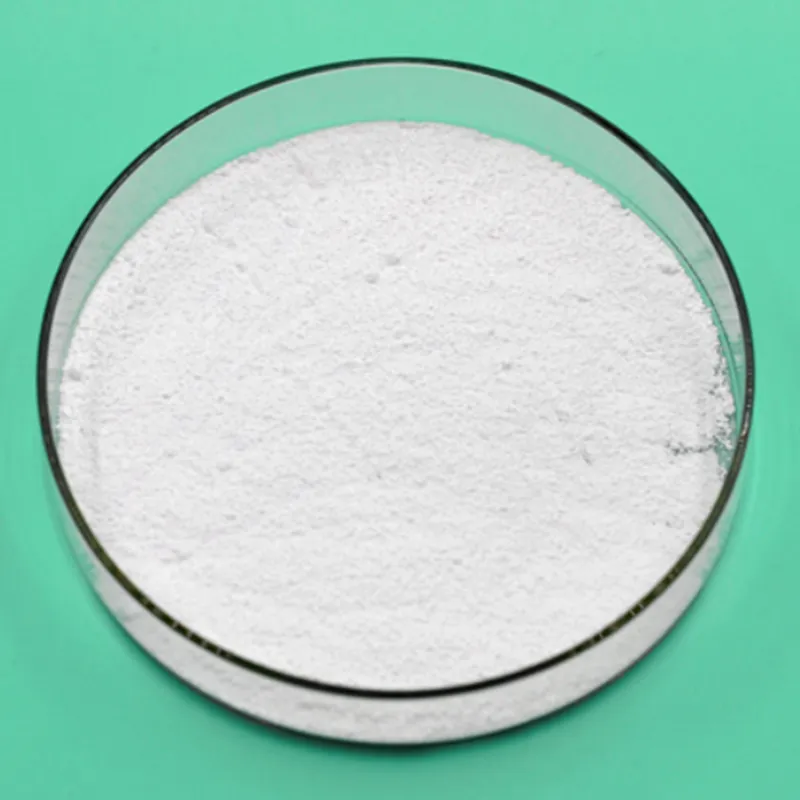
E221 is the E-number designation for sodium sulfite, a chemical compound with the molecular formula Na2SO3. Sodium sulfite appears as a white, crystalline powder and is highly soluble in water. It has been used in food preservation for many years due to its ability to inhibit the growth of microorganisms, thereby extending the shelf life of various food products.
Applications of E221 in Food
Sodium sulfite serves multiple purposes in the food industry. It is primarily used as a preservative, helping to prevent spoilage and maintain the freshness of perishable items. Some common applications of E221 include
1. Dried Fruits and Vegetables E221 is commonly employed in the preservation of dried fruits and vegetables, such as raisins, apricots, and potatoes. It helps to maintain color, prevent browning, and inhibit microbial growth.
2. Wines and Beverages Sodium sulfite is frequently used in wine making as an antioxidant and antimicrobial agent. It helps in stabilizing wine, preventing oxidation, and preserving the flavor and aroma.
3. Processed Foods Some processed foods, including sauces, canned goods, and snack items, may contain sodium sulfite to enhance flavor and prevent spoilage.
e221 food additive
Health Considerations
While sodium sulfite is generally recognized as safe when used appropriately, it can pose risks to certain individuals. Some people are sensitive to sulfites, experiencing allergic reactions or asthmatic symptoms when they consume foods containing E221. This is particularly concerning for asthmatics; therefore, food manufacturers are required to label products containing sulfites to inform consumers.
In terms of general safety, regulatory bodies, including the U.S. Food and Drug Administration (FDA) and the European Food Safety Authority (EFSA), have established acceptable daily intake levels for sulfites. These regulations aim to ensure that individuals do not consume excessive amounts of the additive, which could lead to adverse health effects.
Regulatory Landscape
Sodium sulfite's use as a food additive is subject to strict regulations in many countries. In the European Union, E221 is sanctioned for use in specific food categories, with established maximum concentrations. Producers must adhere to these regulations while ensuring proper labeling to inform consumers about the presence of sulfites in their products.
The United States also regulates the use of sodium sulfite in food. Under the FDA, E221 can be used in particular foods but must comply with specified limits. Importantly, any food product containing more than 10 parts per million of sulfites must include a clear statement on the packaging to alert consumers.
Conclusion
E221, or sodium sulfite, plays a significant role as a food additive in preserving and enhancing various food products. Its applications span a wide range of items, from dried fruits to wines, highlighting its versatility and importance in the food industry. However, due to potential sensitivities and allergic reactions, regulatory measures ensure that its use remains safe for consumers. As with any food additive, awareness and legislation surrounding E221 contribute to informed choices for consumers, allowing them to enjoy the benefits while minimizing risks associated with their dietary intake. Understanding food additives like E221 is vital for both consumers and producers, fostering a safer and more transparent food environment.
-
How to Choose Dimethyl Disulfide DMDS for Industrial UseNewsNov.09,2026
-
Aspartame Buyer FAQ: Sweetness, Specifications and ApplicationsNewsNov.02,2026
-
Aluminum Hydroxide FAQ: Specifications, Ordering and Support QuestionsNewsOct.28,2026
-
Improve Crop Yield with Premium Calcium Boron FertilizerNewsJul.01,2026
-
Ultimate Guide to Cal Mag Fertilizer for Boosting Plant HealthNewsJun.29,2026
-
Maximize Crop Recovery Using High Performance Bounce Back FertilizerNewsJun.27,2026
-
Maximize Crop Yields and Soil Health with Biozyme FertilizerNewsJun.26,2026
Hebei Tenger Chemical Technology Co., Ltd. focuses on the chemical industry and is committed to the export service of chemical raw materials.
-

view more Tplyltriazole(TTA)Tplyltriazole is a powerful and versatile corrosion inhibitor,it is a white particle or powder that is easily hygroscopic and can be processed into large, small, columnar, fine, or powdered shapes.It is a highly effective solution for preventing rust and corrosion on a variety of metal surfaces, making it an ideal choice for a wide range of applications. -

view more Formic AcidFormic acid, is a colorless, pungent-smelling liquid.With its unique properties and diverse applications that serves a wide range of industrial and commercial applications. -

view more Aluminum HydroxideAluminum Hydroxide, a versatile and essential product for a wide range of applications.This product is a white, amorphous powder that is insoluble in water and has a variety of uses in industries such as pharmaceuticals, cosmetics, and manufacturing.