





Exploring the Benefits and Risks of E251 Food Additive in Our Diet
Understanding E251 A Common Food Additive
Food additives play a significant role in modern food processing, enhancing flavor, texture, appearance, and shelf life of various products. One such additive that frequently appears on ingredient labels is E251, also known as sodium nitrite. This compound is widely utilized in the food industry, particularly in the preservation and coloring of cured meats. However, its usage comes with both benefits and concerns that consumers should be aware of.
What is E251?
E251, or sodium nitrite, is a sodium salt of nitrous acid and is often used in conjunction with sodium nitrate (E251). It serves multiple purposes in food production. Primarily, it acts as a preservative, inhibiting the growth of bacteria, particularly Clostridium botulinum, which can cause botulism—a potentially lethal foodborne illness. In addition to its preservative qualities, sodium nitrite also contributes to the characteristic pink-red color of cured meats, such as bacon, ham, and sausages, which makes these products more visually appealing to consumers.
Benefits of E251
The most significant advantage of using E251 in food products is its ability to enhance food safety. By preventing the growth of harmful bacteria, sodium nitrite helps extend the shelf life of products and reduces the risk of foodborne illnesses. Moreover, it enhances the flavor and sensory qualities of meats, making them more enjoyable to consume. For centuries, curing meat with salt and nitrites has been a traditional practice that not only preserves food but also adds a distinctive taste.
Health Concerns
e251 food additive
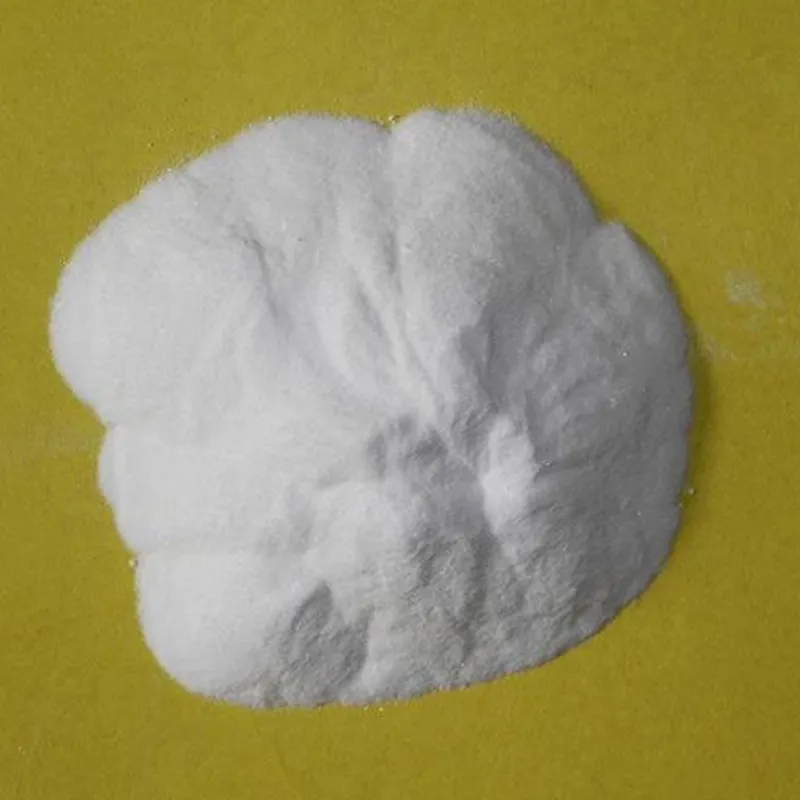
Despite its benefits, the use of E251 has raised health concerns among consumers and health experts. Sodium nitrite can form nitrosamines when exposed to high temperatures, especially during cooking processes like frying or grilling. Nitrosamines are chemicals that have been linked to an increased risk of certain cancers, particularly colorectal cancer. As a result, many health organizations recommend limiting the intake of processed meats containing E251.
Additionally, some individuals may be sensitive to sodium nitrite, experiencing reactions such as headaches or exacerbated asthma symptoms. For this reason, it is crucial for consumers to be informed about the potential effects of this additive and to read food labels carefully.
Regulatory Status
In many countries, the use of sodium nitrite as a food additive is regulated by food safety authorities. For instance, the European Food Safety Authority (EFSA) and the U.S. Food and Drug Administration (FDA) have established acceptable daily intake levels to ensure consumer safety. These regulations often stipulate the maximum allowable concentrations of E251 in specific types of food, which helps balance its beneficial and harmful effects.
Conclusion
E251, or sodium nitrite, is a prevalent food additive that serves essential functions in food preservation and flavor enhancement. While it offers significant benefits in terms of food safety and enjoyment, it is also associated with potential health risks, particularly concerning the formation of nitrosamines. As consumers become more health-conscious, understanding the role of additives like E251 is crucial. It is always advisable to practice moderation and make informed choices, opting for fresh and minimally processed foods wherever possible, to maintain a balanced diet and overall well-being.
-
How to Choose Dimethyl Disulfide DMDS for Industrial UseNewsNov.09,2026
-
Aspartame Buyer FAQ: Sweetness, Specifications and ApplicationsNewsNov.02,2026
-
Aluminum Hydroxide FAQ: Specifications, Ordering and Support QuestionsNewsOct.28,2026
-
Improve Crop Yield with Premium Calcium Boron FertilizerNewsJul.01,2026
-
Ultimate Guide to Cal Mag Fertilizer for Boosting Plant HealthNewsJun.29,2026
-
Maximize Crop Recovery Using High Performance Bounce Back FertilizerNewsJun.27,2026
-
Maximize Crop Yields and Soil Health with Biozyme FertilizerNewsJun.26,2026
Hebei Tenger Chemical Technology Co., Ltd. focuses on the chemical industry and is committed to the export service of chemical raw materials.
-

view more Tplyltriazole(TTA)Tplyltriazole is a powerful and versatile corrosion inhibitor,it is a white particle or powder that is easily hygroscopic and can be processed into large, small, columnar, fine, or powdered shapes.It is a highly effective solution for preventing rust and corrosion on a variety of metal surfaces, making it an ideal choice for a wide range of applications. -

view more Formic AcidFormic acid, is a colorless, pungent-smelling liquid.With its unique properties and diverse applications that serves a wide range of industrial and commercial applications. -

view more Aluminum HydroxideAluminum Hydroxide, a versatile and essential product for a wide range of applications.This product is a white, amorphous powder that is insoluble in water and has a variety of uses in industries such as pharmaceuticals, cosmetics, and manufacturing.