





e251 food additive
Understanding E251 The Sodium Nitrate Food Additive
Food additives play a crucial role in modern food production, improving shelf life, food safety, and taste. Among these additives is E251, also known as sodium nitrate. This compound has been used in various food products, particularly in the preservation of meats, due to its unique properties. This article explores the nature of E251, its uses, potential health implications, and regulatory perspectives.
What is E251?
E251, or sodium nitrate, is an inorganic salt often recognized for its role in the curing process of meats. Chemically, it consists of one sodium ion and one nitrate ion. This additive has been utilized for centuries, primarily due to its ability to inhibit the growth of harmful bacteria, particularly *Clostridium botulinum*, which can lead to botulism, a severe foodborne illness.
Uses in Food Preservation
Sodium nitrate is commonly found in processed meats such as bacon, ham, sausages, and deli meats. It serves several purposes
1. Preservation By preventing the growth of bacteria, E251 extends the shelf life of meat products. 2. Color Retention Sodium nitrate helps maintain the appealing pinkish-red color of cured meat, a key aspect for consumer acceptance. 3. Flavor Enhancement It can contribute to the characteristic flavor associated with cured meats, enhancing their palatability.
Given its effectiveness, sodium nitrate is often the preferred additive for manufacturers aiming to ensure food safety while maintaining sensory qualities
.Health Implications
e251 food additive
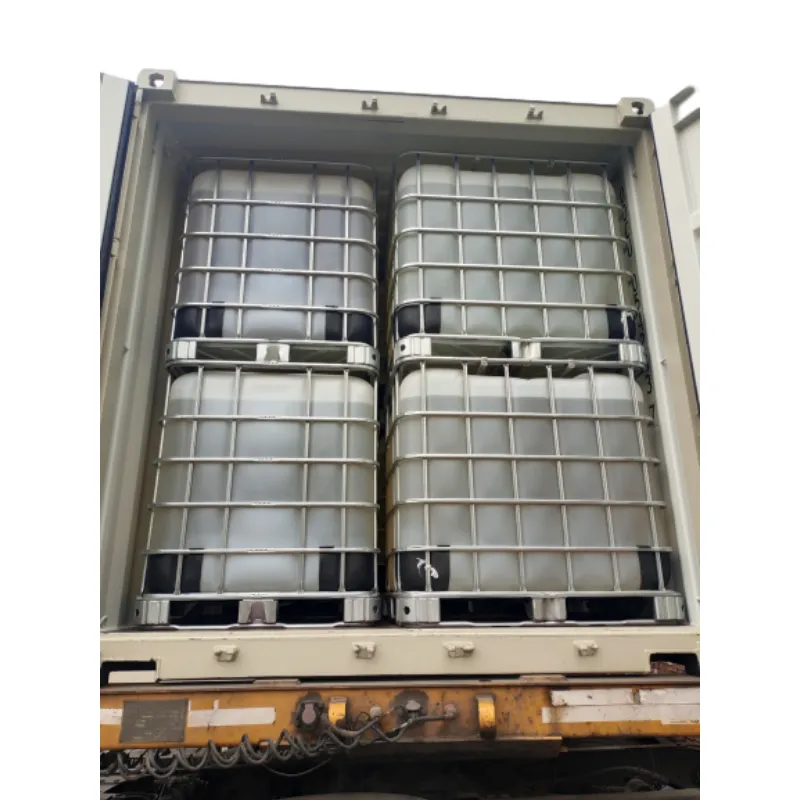
Despite its benefits in food preservation, E251 has garnered some scrutiny regarding health. When consumed, sodium nitrate can be converted in the body to nitrites, which are then involved in the formation of nitrosamines, compounds that have been linked to an increased risk of certain cancers, particularly colorectal cancer. As a result, there are ongoing debates among scientists, health professionals, and regulators about the acceptable levels of nitrate consumption.
The World Health Organization (WHO) and various health authorities recommend monitoring and regulating the intake of nitrates and nitrites in the diet. While occasional consumption of processed meats containing E251 is unlikely to pose a significant health risk for most people, regular overconsumption could be a cause for concern.
Regulatory Status
The use of sodium nitrate is regulated in many countries. In the European Union, E251 is permitted but subject to specific limits on its levels in food products to minimize health risks. Similarly, in the United States, sodium nitrate is classified as generally recognized as safe (GRAS) when used under current regulations.
Regulatory agencies often review scientific studies and food consumption patterns to adjust permissible levels of E251. They issue guidelines designed to ensure that consumers can enjoy processed foods while minimizing potential health risks.
Conclusion
E251, or sodium nitrate, continues to be a widely used food additive that plays a vital role in food preservation and safety. While it serves important functions in meat processing, consumers should remain informed about their dietary choices, particularly concerning processed meats. Balancing the enjoyment of cured meats with health considerations is essential.
As food science advances, it is crucial to conduct ongoing research to better understand the implications of additives like E251 on health. In the meantime, moderation appears to be a prudent approach, allowing consumers to enjoy the flavors and safety benefits of cured meats while being mindful of their overall health and well-being.
-
How to Choose Dimethyl Disulfide DMDS for Industrial UseNewsNov.09,2026
-
Aspartame Buyer FAQ: Sweetness, Specifications and ApplicationsNewsNov.02,2026
-
Aluminum Hydroxide FAQ: Specifications, Ordering and Support QuestionsNewsOct.28,2026
-
Improve Crop Yield with Premium Calcium Boron FertilizerNewsJul.01,2026
-
Ultimate Guide to Cal Mag Fertilizer for Boosting Plant HealthNewsJun.29,2026
-
Maximize Crop Recovery Using High Performance Bounce Back FertilizerNewsJun.27,2026
-
Maximize Crop Yields and Soil Health with Biozyme FertilizerNewsJun.26,2026
Hebei Tenger Chemical Technology Co., Ltd. focuses on the chemical industry and is committed to the export service of chemical raw materials.
-

view more Tplyltriazole(TTA)Tplyltriazole is a powerful and versatile corrosion inhibitor,it is a white particle or powder that is easily hygroscopic and can be processed into large, small, columnar, fine, or powdered shapes.It is a highly effective solution for preventing rust and corrosion on a variety of metal surfaces, making it an ideal choice for a wide range of applications. -

view more Formic AcidFormic acid, is a colorless, pungent-smelling liquid.With its unique properties and diverse applications that serves a wide range of industrial and commercial applications. -

view more Aluminum HydroxideAluminum Hydroxide, a versatile and essential product for a wide range of applications.This product is a white, amorphous powder that is insoluble in water and has a variety of uses in industries such as pharmaceuticals, cosmetics, and manufacturing.