





Exploring the Benefits and Risks of E263 Food Additive in Our Diets
Understanding E263 A Food Additive and Its Role in Food Safety
In the ever-evolving landscape of food science, additives play a crucial role in enhancing the quality, safety, and longevity of various food products. Among the myriad of food additives, E263, also known as sodium acetate, stands out due to its unique properties and applications. This article delves into the nature of E263, its uses, safety considerations, and the ongoing discussions surrounding food additives in general.
What is E263?
E263, or sodium acetate, is the sodium salt of acetic acid. It is commonly recognized for its antifungal and preservative properties. As a food additive, it is primarily utilized to maintain the pH levels of food products and to enhance their shelf life. Its chemical formula, C2H3NaO2, reflects its simple structure, which allows for easy incorporation in various food formulations.
Uses of E263 in Food Products
Sodium acetate is widely used in different types of food products
. Its primary applications include1. Preservative E263 acts as a preservative by inhibiting microbial growth. This is particularly important in foods that are susceptible to spoilage, such as sauces, dressings, and processed meats. By extending the shelf life of these products, manufacturers can reduce food waste and ensure that consumers receive safe, high-quality items.
2. pH Regulator The additive is effective in maintaining the desired acidity or alkalinity in food products. Many foods have specific pH requirements for optimal flavor and texture. Sodium acetate helps achieve these conditions, ensuring that products maintain their intended quality.
3. Flavor Enhancer In addition to its preservative properties, E263 can also enhance the flavor of certain foods. It contributes a mild, tangy taste that can complement various dishes.
e263 food additive
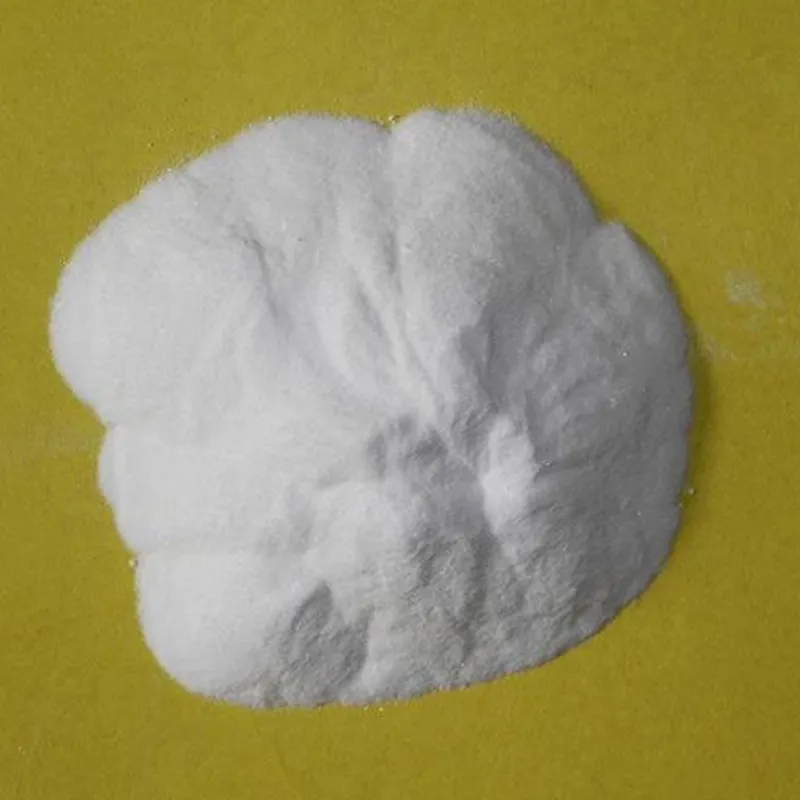
4. Buffering Agent E263 is often used as a buffering agent, helping to stabilize pH levels during food processing. This is crucial in products like cheeses and some fermented foods, where pH fluctuations can affect the final quality.
Safety and Regulatory Status
The safety of food additives like E263 is of paramount concern to regulatory authorities around the world. In the European Union, E263 is classified as a food additive and is subject to rigorous safety assessments by the European Food Safety Authority (EFSA). Similarly, in the United States, the Food and Drug Administration (FDA) evaluates the safety of such substances before they can be marketed.
Sodium acetate is generally recognized as safe (GRAS) when used in accordance with established guidelines. Unlike some other food additives, there are few reported side effects associated with E263, making it a viable option for food manufacturers. However, like any additive, excessive consumption could lead to health issues, and it's crucial for consumers to be aware of their dietary intake.
The Broader Context of Food Additives
The discussion surrounding food additives is complex. While they play a significant role in food preservation and quality, there are concerns among consumers regarding the long-term consumption of synthetic substances. Transparency and labeling practices have become increasingly important, with many consumers advocating for clearer information about the ingredients in their food.
In response to these concerns, many food brands are reformulating their products to minimize the use of artificial additives, opting instead for natural alternatives. This trend reflects a growing desire among consumers for wholesome, minimally processed foods.
Conclusion
E263 (sodium acetate) serves as an important example of the role food additives play in our daily lives. As a preservative and pH regulator, it helps ensure that food products remain safe, flavorful, and enjoyable for consumers. Understanding the functions and safety of such additives can empower consumers to make informed choices about their food. As the dialogue around food safety and quality continues to evolve, it is essential for both producers and consumers to remain engaged in discussions about what goes into our food and how it affects our health.
-
How to Choose Dimethyl Disulfide DMDS for Industrial UseNewsNov.09,2026
-
Aspartame Buyer FAQ: Sweetness, Specifications and ApplicationsNewsNov.02,2026
-
Aluminum Hydroxide FAQ: Specifications, Ordering and Support QuestionsNewsOct.28,2026
-
Improve Crop Yield with Premium Calcium Boron FertilizerNewsJul.01,2026
-
Ultimate Guide to Cal Mag Fertilizer for Boosting Plant HealthNewsJun.29,2026
-
Maximize Crop Recovery Using High Performance Bounce Back FertilizerNewsJun.27,2026
-
Maximize Crop Yields and Soil Health with Biozyme FertilizerNewsJun.26,2026
Hebei Tenger Chemical Technology Co., Ltd. focuses on the chemical industry and is committed to the export service of chemical raw materials.
-

view more Tplyltriazole(TTA)Tplyltriazole is a powerful and versatile corrosion inhibitor,it is a white particle or powder that is easily hygroscopic and can be processed into large, small, columnar, fine, or powdered shapes.It is a highly effective solution for preventing rust and corrosion on a variety of metal surfaces, making it an ideal choice for a wide range of applications. -

view more Formic AcidFormic acid, is a colorless, pungent-smelling liquid.With its unique properties and diverse applications that serves a wide range of industrial and commercial applications. -

view more Aluminum HydroxideAluminum Hydroxide, a versatile and essential product for a wide range of applications.This product is a white, amorphous powder that is insoluble in water and has a variety of uses in industries such as pharmaceuticals, cosmetics, and manufacturing.