





e334 food additive
Understanding E334 The Role and Impact of Food Additive
Food additives are substances added to food to enhance its flavor, appearance, or preservation. Among these additives, E334, also known as tartaric acid, plays a significant role in the food industry. Derived primarily from grapes, tartaric acid is a naturally occurring organic acid that has been utilized for centuries. This article delves into the properties, uses, and health implications of E334 in food products.
What is Tartaric Acid?
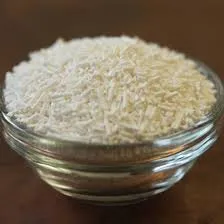
Tartaric acid is a white crystalline organic acid that is primarily found in grapes and is a byproduct of wine production. It has a distinctive sour taste and is often used in food products for its acidic properties. The chemical formula of tartaric acid is C4H6O6, and it is classified as a carbohydrate-derived acid. Its presence in the food industry can be traced back to the winemaking process, where it plays a critical role in stabilizing and enhancing the flavor of wines.
Uses of E334 in Food Products
E334 has several applications in the food industry. It is widely used as a food stabilizer, thickening agent, and pH regulator. Some of the common uses of E334 include
1. Baking Powder Tartaric acid is a key ingredient in many baking powders. When combined with sodium bicarbonate, it produces carbon dioxide gas, which helps baked goods rise and attain a fluffy texture.
2. Cream of Tartar Tartaric acid is often used in the form of cream of tartar, which is a common ingredient in various recipes, especially in meringues and other whipped egg whites. It helps stabilize the proteins in the egg whites, yielding a more structured and voluminous product.
e334 food additive
3. Preservative Due to its acidity, E334 is often utilized as a preservative. It inhibits the growth of certain bacteria and molds, extending the shelf life of various food products.
4. Cheese Production In cheese-making, tartaric acid can improve the texture and appearance of cheeses, influencing moisture retention and curd formation.
Health Considerations
Tartaric acid has been deemed safe for consumption by various health authorities, including the European Food Safety Authority (EFSA) and the U.S. Food and Drug Administration (FDA). It is classified as a Generally Recognized As Safe (GRAS) substance when used in food in appropriate amounts. However, excessive consumption of any additive, including E334, could lead to gastrointestinal discomfort in some individuals, particularly for those who are sensitive to acidic foods.
Furthermore, it is important to note that food additives, as a whole, are subjected to rigorous safety evaluations before being approved for use in food products. This ensures that consumers can enjoy these foods without undue health risks.
Conclusion
E334, or tartaric acid, exemplifies the importance of food additives in enhancing food quality and safety. With its natural origins and versatile applications, tartaric acid continues to be a valuable component in the food industry. Its role in baking, preservation, and food stabilization underlines the intricate science involved in food production. While tartaric acid is generally recognized as safe, consumers should always be mindful of their overall dietary intake and the sources of their food additives. As our understanding of food science evolves, it is likely that E334 and other food additives will continue to be critical in developing healthier, more enjoyable food products. As we relish our meals, it's essential to appreciate the often-unseen contributions that such additives make to our culinary experiences.
-
Aspartame Buyer FAQ: Sweetness, Specifications and ApplicationsNewsNov.02,2026
-
Aluminum Hydroxide FAQ: Specifications, Ordering and Support QuestionsNewsOct.28,2026
-
Improve Crop Yield with Premium Calcium Boron FertilizerNewsJul.01,2026
-
Ultimate Guide to Cal Mag Fertilizer for Boosting Plant HealthNewsJun.29,2026
-
Maximize Crop Recovery Using High Performance Bounce Back FertilizerNewsJun.27,2026
-
Maximize Crop Yields and Soil Health with Biozyme FertilizerNewsJun.26,2026
-
Sustainable Agriculture Guide using bio organic fertilizerNewsJun.25,2026
Hebei Tenger Chemical Technology Co., Ltd. focuses on the chemical industry and is committed to the export service of chemical raw materials.
-

view more Tplyltriazole(TTA)Tplyltriazole is a powerful and versatile corrosion inhibitor,it is a white particle or powder that is easily hygroscopic and can be processed into large, small, columnar, fine, or powdered shapes.It is a highly effective solution for preventing rust and corrosion on a variety of metal surfaces, making it an ideal choice for a wide range of applications. -

view more Formic AcidFormic acid, is a colorless, pungent-smelling liquid.With its unique properties and diverse applications that serves a wide range of industrial and commercial applications. -

view more Aluminum HydroxideAluminum Hydroxide, a versatile and essential product for a wide range of applications.This product is a white, amorphous powder that is insoluble in water and has a variety of uses in industries such as pharmaceuticals, cosmetics, and manufacturing.