





Exploring the Impact of E363 Food Additive on Health and Nutrition
Understanding E363 The Food Additive in Focus
Food additives play a significant role in modern food production, enhancing flavor, texture, shelf-life, and overall appeal of products we consume every day. One such additive is E363, commonly known as Tartaric Acid or Tartarábic Acid. This compound comes from natural sources and is primarily used in various food and beverage applications. In this article, we delve into what E363 is, its uses, safety, and its overall impact on our diets.
What is E363?
E363 is a naturally occurring organic acid primarily derived from grapes. It plays a crucial role in winemaking and is often associated with the tartness found in various fruits. Chemically, tartaric acid is known for its ability to act as a stabilizing agent in certain food products, making it a valuable additive in both the culinary and industrial sectors.
Uses of E363 in Food Products
Tartaric acid has several applications in the food industry
1. Baking Powder E363 is a crucial component in many baking powders. It reacts with baking soda to create carbon dioxide gas, which helps baked goods rise, contributing to the fluffiness of cakes and pastries.
2. Wines and Beverages In winemaking, tartaric acid is essential for balancing the acidity of wines and maintaining their flavor. It also assists in the stabilization of the wine, preventing issues like precipitation of tartrate crystals.
3. Food Preservation E363 acts as a natural preservative due to its acidic nature, helping to inhibit the growth of harmful bacteria in certain food products.
e363 food additive
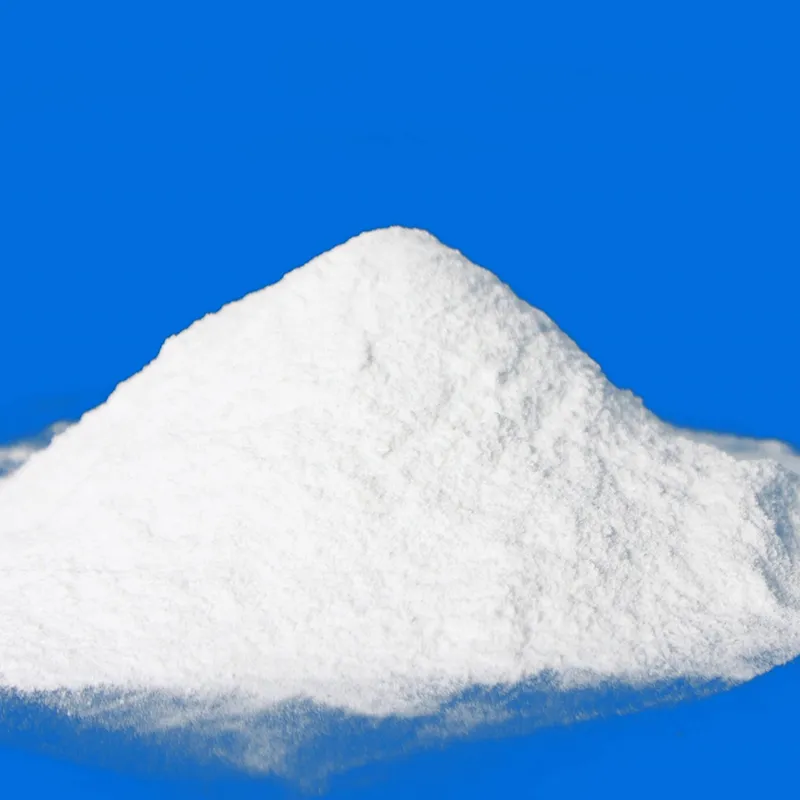
4. Flavoring Agent E363 is used as an acidulant in various candies, soft drinks, and other sweet treats, imparting a tart flavor that enhances the overall taste experience.
5. Stabilization In the production of cream of tartar, a byproduct of tartaric acid, it helps stabilize beaten egg whites and creams, which is crucial for creating meringues and mousses.
Safety and Regulations
E363 is generally recognized as safe (GRAS) by regulatory authorities like the FDA and EFSA, when consumed within the recommended limits. However, like any additive, excessive consumption could lead to adverse effects. Individuals with specific sensitivities or allergies should monitor their intake and consult healthcare professionals if necessary. It is crucial for food manufacturers to adhere to strict guidelines regarding the amount of E363 permitted in food products to ensure consumer safety.
The Impact of E363 on Dietary Choices
With increasing awareness about health and nutrition, many consumers are shifting towards cleaner eating habits, often scrutinizing food labels for additives. E363, being a naturally derived substance, may be considered more acceptable compared to synthetic additives. However, education around food additives, including E363, is essential as it allows consumers to make informed decisions about their diets.
In contrast, there are critics who argue that the consumption of food additives, regardless of their source, may contribute to an array of health issues, including digestive discomfort and allergies. While scientific studies predominantly indicate the safe consumption of E363, it is always prudent for consumers to pay attention to their individual responses and consult dietary experts when needed.
Conclusion
E363, or tartaric acid, is a versatile food additive with significant applications in the food industry. From stabilizing baked goods to enhancing the flavor profile of wines and beverages, it plays an indispensable role in creating the foods we enjoy. While it is deemed safe for consumption, awareness and moderation should guide its use in daily diets. As consumers become increasingly health-conscious, the dialogue around food additives will continue to evolve, necessitating ongoing education and research to ensure the safety and transparency of food products in the market. Understanding E363 helps in appreciating the intricate balance between culinary innovation and health consciousness in today's food landscape.
-
Aspartame Buyer FAQ: Sweetness, Specifications and ApplicationsNewsNov.02,2026
-
Aluminum Hydroxide FAQ: Specifications, Ordering and Support QuestionsNewsOct.28,2026
-
Improve Crop Yield with Premium Calcium Boron FertilizerNewsJul.01,2026
-
Ultimate Guide to Cal Mag Fertilizer for Boosting Plant HealthNewsJun.29,2026
-
Maximize Crop Recovery Using High Performance Bounce Back FertilizerNewsJun.27,2026
-
Maximize Crop Yields and Soil Health with Biozyme FertilizerNewsJun.26,2026
-
Sustainable Agriculture Guide using bio organic fertilizerNewsJun.25,2026
Hebei Tenger Chemical Technology Co., Ltd. focuses on the chemical industry and is committed to the export service of chemical raw materials.
-

view more Tplyltriazole(TTA)Tplyltriazole is a powerful and versatile corrosion inhibitor,it is a white particle or powder that is easily hygroscopic and can be processed into large, small, columnar, fine, or powdered shapes.It is a highly effective solution for preventing rust and corrosion on a variety of metal surfaces, making it an ideal choice for a wide range of applications. -

view more Formic AcidFormic acid, is a colorless, pungent-smelling liquid.With its unique properties and diverse applications that serves a wide range of industrial and commercial applications. -

view more Aluminum HydroxideAluminum Hydroxide, a versatile and essential product for a wide range of applications.This product is a white, amorphous powder that is insoluble in water and has a variety of uses in industries such as pharmaceuticals, cosmetics, and manufacturing.