





e401 food additive
Understanding E401 Food Additive and Its Role in Food Industry
In the contemporary food industry, food additives play a significant role in enhancing the quality, safety, and appeal of food products. Among these additives, E401, also known as sodium alginate, has gained popularity due to its functional properties. This article delves into what E401 is, its uses, benefits, and the considerations surrounding its application in food products.
What is E401?
E401, or sodium alginate, is a natural polysaccharide derived from brown seaweed, predominantly harvested from species such as Laminaria and Sargassum. It is a member of the alginates group, which are food-grade thickeners and emulsifiers. Sodium alginate is particularly valued for its ability to form gels, stabilize emulsions, and increase the viscosity of food products, making it a versatile ingredient in both the culinary and industrial arenas.
Uses of E401 in Food Products
Sodium alginate finds application in a diverse array of food products. One of its primary uses is as a thickening agent in sauces, dressings, and dairy products. It helps improve the texture and mouthfeel, resulting in a richer and creamier product. Furthermore, due to its gel-forming properties, E401 is often employed in the production of jellies, desserts, and fruit preserves.
Another notable application of E401 is in the realm of molecular gastronomy. Chefs utilize sodium alginate to create innovative dishes using techniques such as spherification, where liquids are encapsulated into small spheres that burst in the mouth, delivering a burst of flavor. This technique has captivated food enthusiasts and opened new avenues in culinary creativity.
Benefits of E401
e401 food additive
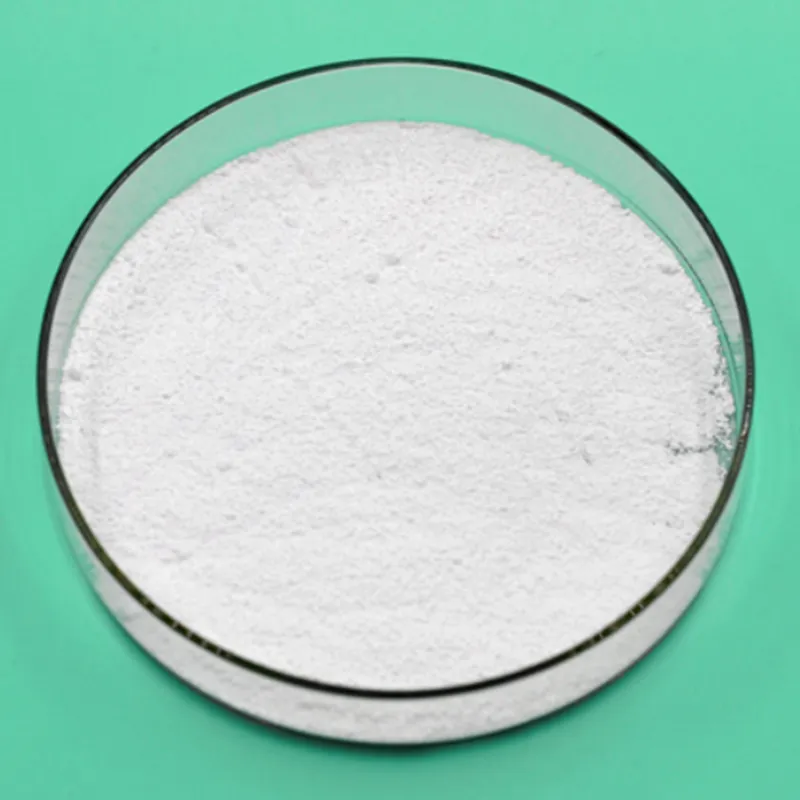
The incorporation of E401 in food products offers several advantages. Firstly, it enhances texture and stability, contributing to a longer shelf life. By preventing the separation of ingredients, sodium alginate ensures a uniform consistency, thereby enhancing overall product quality. Additionally, E401 is considered a low-calorie thickener, making it an appealing option for health-conscious consumers seeking to reduce caloric intake without sacrificing texture.
Moreover, sodium alginate is recognized for its ability to form gels in the presence of calcium ions. This property is leveraged not only in food technology but also in pharmaceutical and cosmetic industries, highlighting its versatility beyond culinary applications.
Considerations and Safety
While E401 is generally recognized as safe (GRAS) by food safety authorities, like many food additives, it is essential to use it responsibly and in moderation. Some individuals may experience gastrointestinal discomfort when consuming large quantities, mainly due to sodium alginate's fiber content. Therefore, consumers should be aware of their own dietary sensitivities.
Additionally, the extraction and processing of sodium alginate from seaweed have raised environmental considerations. Sustainable harvesting practices are crucial to ensure that marine ecosystems are not adversely affected. As consumers become increasingly conscious about food sourcing and environmental impact, the food industry must prioritize sustainable practices in ingredient sourcing.
Conclusion
In conclusion, E401, or sodium alginate, stands as a vital food additive that enhances the texture, stability, and appeal of various food products. Its applications span from traditional food products to innovative culinary techniques, demonstrating its versatility. As consumers continue to seek transparency and quality in their food, the responsible use of additives like E401 will be imperative. Understanding the role and implications of such additives not only empowers consumers but also enriches their dining experience in a world where food innovation is ever-evolving.
-
How to Choose Dimethyl Disulfide DMDS for Industrial UseNewsNov.09,2026
-
Aspartame Buyer FAQ: Sweetness, Specifications and ApplicationsNewsNov.02,2026
-
Aluminum Hydroxide FAQ: Specifications, Ordering and Support QuestionsNewsOct.28,2026
-
Improve Crop Yield with Premium Calcium Boron FertilizerNewsJul.01,2026
-
Ultimate Guide to Cal Mag Fertilizer for Boosting Plant HealthNewsJun.29,2026
-
Maximize Crop Recovery Using High Performance Bounce Back FertilizerNewsJun.27,2026
-
Maximize Crop Yields and Soil Health with Biozyme FertilizerNewsJun.26,2026
Hebei Tenger Chemical Technology Co., Ltd. focuses on the chemical industry and is committed to the export service of chemical raw materials.
-

view more Tplyltriazole(TTA)Tplyltriazole is a powerful and versatile corrosion inhibitor,it is a white particle or powder that is easily hygroscopic and can be processed into large, small, columnar, fine, or powdered shapes.It is a highly effective solution for preventing rust and corrosion on a variety of metal surfaces, making it an ideal choice for a wide range of applications. -

view more Formic AcidFormic acid, is a colorless, pungent-smelling liquid.With its unique properties and diverse applications that serves a wide range of industrial and commercial applications. -

view more Aluminum HydroxideAluminum Hydroxide, a versatile and essential product for a wide range of applications.This product is a white, amorphous powder that is insoluble in water and has a variety of uses in industries such as pharmaceuticals, cosmetics, and manufacturing.