





Exploring the Uses and Effects of E410 Food Additive in Modern Cuisine
Understanding E410 The Multifaceted Food Additive
Food additives play a crucial role in modern food production and preservation. Among the myriad of additives available, E410, also known as Carob Bean Gum, stands out due to its versatile properties. This article delves into E410’s origins, uses, health implications, and its place in the contemporary food industry.
Origins and Composition
E410 is derived from the seeds of the carob tree (Ceratonia siliqua), which is native to the Mediterranean region. Carob beans are harvested and processed to extract the gum, which serves as a thickening and stabilizing agent. The structure of E410 consists primarily of galactomannan, a type of polysaccharide comprised of mannose and galactose sugars. This unique composition imparts its remarkable ability to form gels and thicken mixtures, making E410 a valuable ingredient in various food products.
Uses in the Food Industry
E410 is widely used as a thickener, stabilizer, and emulsifier in the food industry. Its ability to improve texture and maintain the consistency of products has led to its inclusion in a diverse range of food items. Common applications include
1. Dairy Products E410 is frequently utilized in ice creams, yogurt, and cheese. It helps to prevent ice crystal formation in frozen desserts and improves creaminess and mouthfeel in yogurts.
2. Baked Goods In baked products, E410 enhances moisture retention and improves shelf life. It is often found in cakes, cookies, and bread, where it helps to maintain a soft texture.
3. Sauces and Dressings The ability of E410 to stabilize emulsions makes it a popular choice in salad dressings, sauces, and gravies. It prevents separation and enhances the overall viscosity of these products.
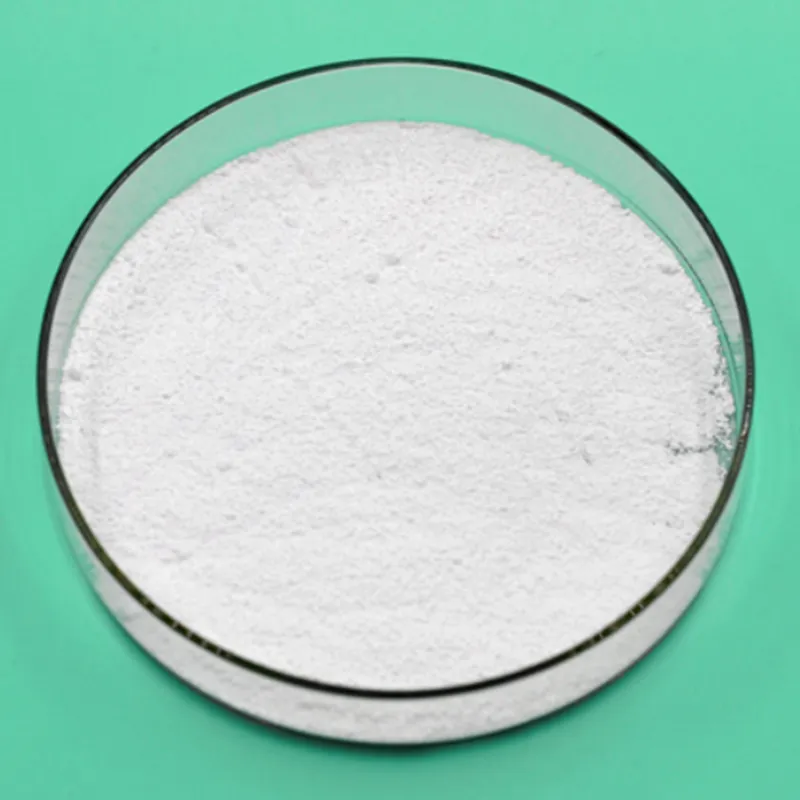
e410 food additive
Health Implications
E410 is generally recognized as safe (GRAS) by food safety authorities, including the European Food Safety Authority (EFSA) and the Food and Drug Administration (FDA). It is considered to be non-toxic and is not associated with significant health risks when consumed in moderate amounts. However, like many additives, excessive intake may lead to gastrointestinal discomfort, particularly in individuals with sensitivities to polysaccharides.
One of the advantages of E410 is that it is derived from a natural source, making it appealing to health-conscious consumers who prefer natural ingredients over synthetic ones. It is also gluten-free, which makes it a suitable option for individuals with celiac disease or gluten intolerance.
Environmental Aspects and Sustainability
The carob tree is a hardy plant that requires minimal irrigation and can thrive in arid conditions, making E410 an environmentally sustainable food additive. The use of carob bean gum can also promote biodiversity since carob trees often grow in agroforestry systems that support diverse ecosystems.
As consumers increasingly seek sustainable and ethical food sources, additives like E410 that have lower environmental footprints are gaining popularity. Additionally, the carob tree can be cultivated in areas unsuitable for other crops, providing a reliable source of income for farmers in those regions.
Conclusion
E410, or carob bean gum, is a multifaceted food additive that enhances the texture, stability, and shelf life of various food products. Its natural origin, versatility, and safety profile have solidified its place in the food industry. As consumers become more informed about the ingredients in their food, E410 represents a natural, sustainable choice that aligns with the growing trend toward healthier eating habits. Whether in a creamy yogurt, a delectable ice cream, or a rich sauce, E410 continues to play an essential role in crafting the foods we enjoy today.
-
How to Choose Dimethyl Disulfide DMDS for Industrial UseNewsNov.09,2026
-
Aspartame Buyer FAQ: Sweetness, Specifications and ApplicationsNewsNov.02,2026
-
Aluminum Hydroxide FAQ: Specifications, Ordering and Support QuestionsNewsOct.28,2026
-
Improve Crop Yield with Premium Calcium Boron FertilizerNewsJul.01,2026
-
Ultimate Guide to Cal Mag Fertilizer for Boosting Plant HealthNewsJun.29,2026
-
Maximize Crop Recovery Using High Performance Bounce Back FertilizerNewsJun.27,2026
-
Maximize Crop Yields and Soil Health with Biozyme FertilizerNewsJun.26,2026
Hebei Tenger Chemical Technology Co., Ltd. focuses on the chemical industry and is committed to the export service of chemical raw materials.
-

view more Tplyltriazole(TTA)Tplyltriazole is a powerful and versatile corrosion inhibitor,it is a white particle or powder that is easily hygroscopic and can be processed into large, small, columnar, fine, or powdered shapes.It is a highly effective solution for preventing rust and corrosion on a variety of metal surfaces, making it an ideal choice for a wide range of applications. -

view more Formic AcidFormic acid, is a colorless, pungent-smelling liquid.With its unique properties and diverse applications that serves a wide range of industrial and commercial applications. -

view more Aluminum HydroxideAluminum Hydroxide, a versatile and essential product for a wide range of applications.This product is a white, amorphous powder that is insoluble in water and has a variety of uses in industries such as pharmaceuticals, cosmetics, and manufacturing.