





Exploring the Effects and Uses of E903 Food Additive in Our Diets
Understanding E903 The Role of Carnauba Wax as a Food Additive
In the ever-evolving world of food production and safety, food additives play a crucial role in enhancing the quality, preservation, and aesthetics of our food. One such additive is E903, also known as carnauba wax. Derived from the leaves of the carnauba palm tree (Copernicia prunifera), native to Brazil, E903 has gained recognition in the food industry for its unique properties and applications.
What is E903?
E903 is a natural food additive that serves as a glazing agent and coating for food products. Its liquid form is not typically used; instead, it is processed into a waxy solid. Due to its natural origin, it is often favored in a market that increasingly prioritizes natural ingredients over synthetic alternatives. Carnauba wax has a high melting point, making it an excellent choice for coating products that require durability and resistance to moisture.
Uses of E903 in Food Products
Carnauba wax is widely utilized across various sectors of the food industry. It is often employed to give a glossy finish to fruits and vegetables, enhancing their visual appeal and reducing moisture loss. For example, apples and citrus fruits are commonly coated with E903 before being packaged for sale. This not only makes them look more enticing to consumers but also helps maintain their freshness during transportation and storage.
In addition to fresh produce, E903 is also found in processed foods, particularly confectionery products. It is used to coat candies and chocolates, providing a shiny appearance and preventing them from sticking together. In baked goods, carnauba wax can be integrated into coatings for pastries and cookies, contributing to texture and presentation. Furthermore, it can be utilized in the production of certain dairy products and as an ingredient in food packaging materials.
Safety and Regulatory Status
e903 food additive
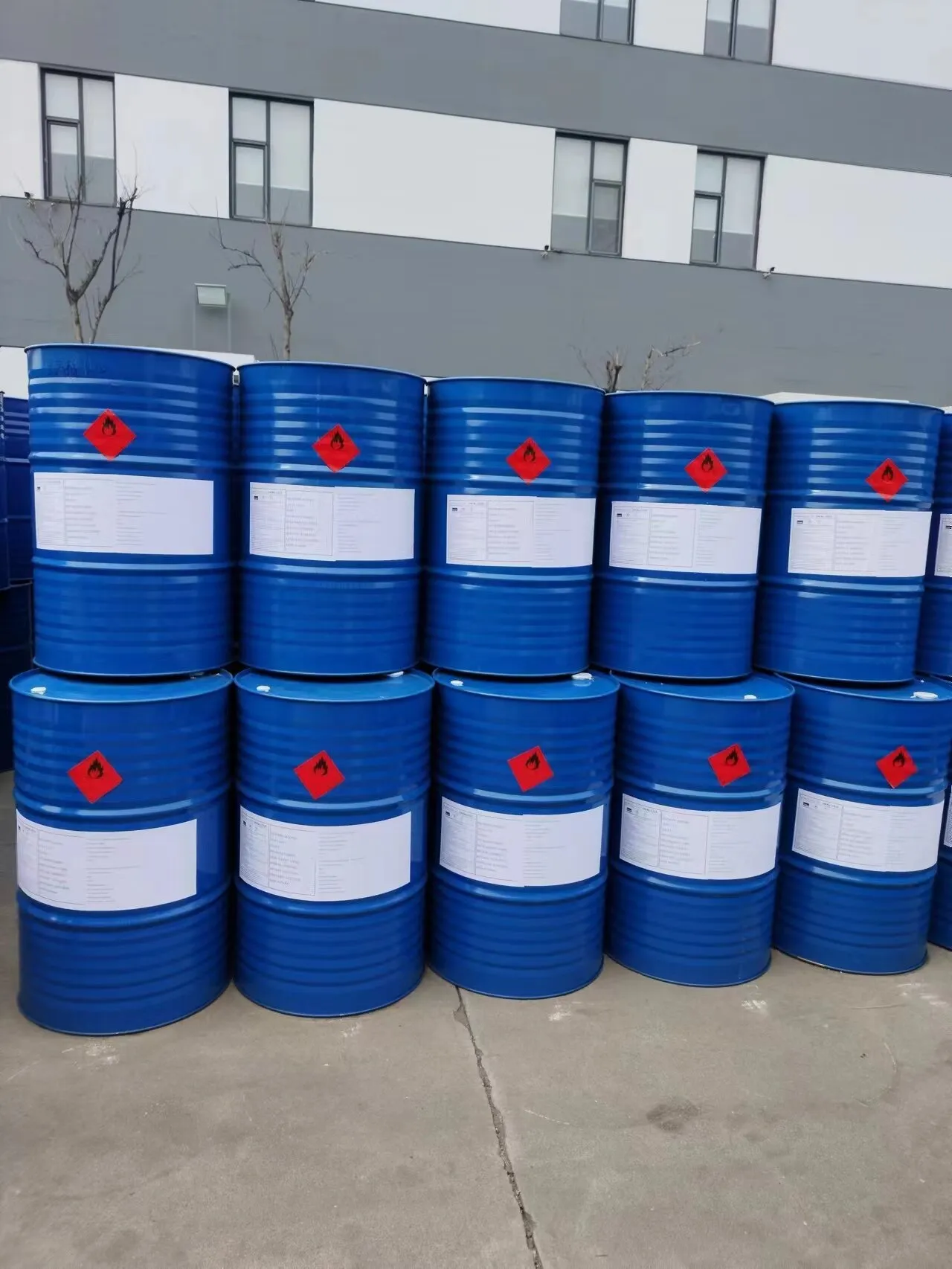
The safety of food additives is a primary concern for both consumers and regulatory bodies. E903 has been deemed safe for consumption by several food safety authorities, including the Food and Drug Administration (FDA) in the United States and the European Food Safety Authority (EFSA) in Europe. It is classified as a Generally Recognized as Safe (GRAS) substance, meaning that it is widely accepted as safe when used in appropriate amounts.
Like all food additives, there are guidelines regarding the permissible levels of E903 in food products. These regulations are essential to ensure that consumers are protected from overconsumption and potential adverse effects. In moderation, carnauba wax is not associated with any significant health risks, making it a safe option for food manufacturers.
The Benefits of Using E903
The advantages of using E903 are numerous. As a natural additive, it aligns with the growing demand for clean-label products—those made without synthetic chemicals or additives. Carnauba wax helps to improve the shelf life of products, as it acts as a barrier against moisture, thus inhibiting bacterial growth and spoilage. Additionally, its versatility allows it to be used in a wide range of food applications, providing manufacturers with flexibility in product development.
Moreover, carnauba wax is not only limited to the food industry; it’s also utilized in cosmetics, pharmaceuticals, and even automotive products, showcasing its versatility as a natural wax.
Conclusion
E903, or carnauba wax, is a prime example of how natural additives can enhance the quality and appeal of food products. Its role as a glazing agent and coater demonstrates the connection between aesthetics and food preservation. As consumers continue to seek transparency and natural ingredients in their diets, carnauba wax presents a favorable option in the realm of food additives. Understanding the science and safety behind such additives is crucial for making informed choices about the foods we consume, ensuring that they meet both safety standards and personal health preferences.
-
How to Choose Dimethyl Disulfide DMDS for Industrial UseNewsNov.09,2026
-
Aspartame Buyer FAQ: Sweetness, Specifications and ApplicationsNewsNov.02,2026
-
Aluminum Hydroxide FAQ: Specifications, Ordering and Support QuestionsNewsOct.28,2026
-
Improve Crop Yield with Premium Calcium Boron FertilizerNewsJul.01,2026
-
Ultimate Guide to Cal Mag Fertilizer for Boosting Plant HealthNewsJun.29,2026
-
Maximize Crop Recovery Using High Performance Bounce Back FertilizerNewsJun.27,2026
-
Maximize Crop Yields and Soil Health with Biozyme FertilizerNewsJun.26,2026
Hebei Tenger Chemical Technology Co., Ltd. focuses on the chemical industry and is committed to the export service of chemical raw materials.
-

view more Tplyltriazole(TTA)Tplyltriazole is a powerful and versatile corrosion inhibitor,it is a white particle or powder that is easily hygroscopic and can be processed into large, small, columnar, fine, or powdered shapes.It is a highly effective solution for preventing rust and corrosion on a variety of metal surfaces, making it an ideal choice for a wide range of applications. -

view more Formic AcidFormic acid, is a colorless, pungent-smelling liquid.With its unique properties and diverse applications that serves a wide range of industrial and commercial applications. -

view more Aluminum HydroxideAluminum Hydroxide, a versatile and essential product for a wide range of applications.This product is a white, amorphous powder that is insoluble in water and has a variety of uses in industries such as pharmaceuticals, cosmetics, and manufacturing.