





e954 sweetener
E954 Sweetener An Overview of Saccharin
In the quest for healthier lifestyles, the search for alternative sweeteners has gained significant momentum, with the e954 sweetener, commonly known as saccharin, taking the spotlight. Saccharin is one of the oldest artificial sweeteners, discovered in the late 19th century. It has been a prominent figure in the world of food additives and continues to be used in various applications today. This article delves into its history, uses, health considerations, and future prospects.
A Brief History
Saccharin was discovered in 1879 by chemist Constantin Fahlberg, who accidentally noticed its sweet taste while conducting experiments on coal tar derivatives. After realizing the potential of his discovery, saccharin quickly caught the attention of the food industry. It became commercially available in the early 20th century and was widely used during World War I and II, when sugar shortages prompted the search for substitutes. Over the years, saccharin was embraced by many as a way to enjoy sweetness without the calories that come from sugar.
Characteristics and Uses
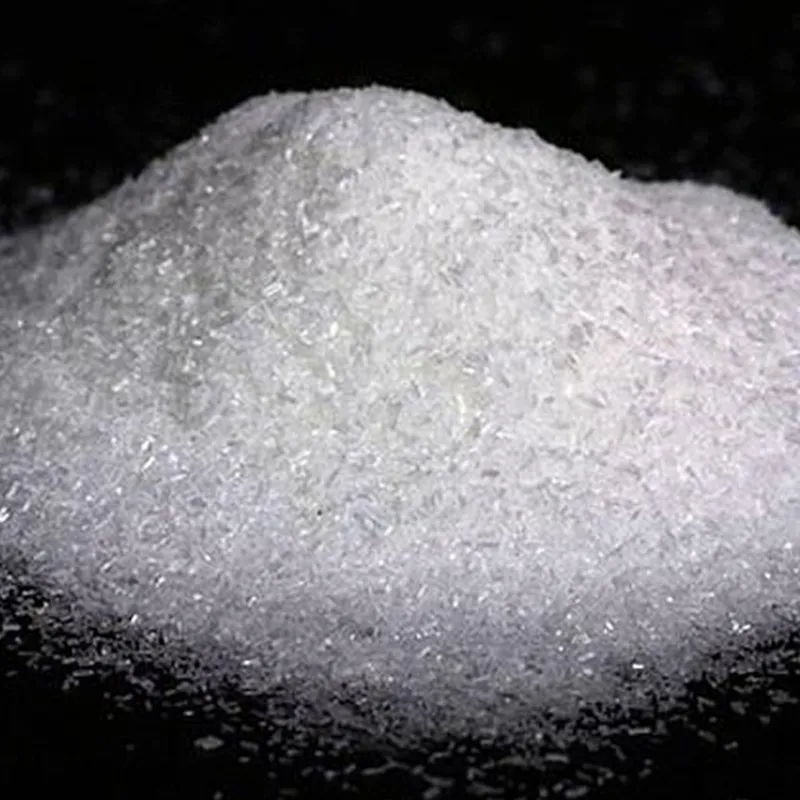
Chemically, saccharin is a sulfonamide compound, which contributes to its sweet flavor profile. It is estimated to be approximately 300 to 400 times sweeter than sucrose (table sugar), allowing for very small quantities to achieve the desired level of sweetness. This makes saccharin an attractive option for food manufacturers looking to reduce calorie content in their products.
Saccharin is often used in a variety of applications, including soft drinks, sweeteners, canned goods, baked products, and even some pharmaceutical products. This versatility is largely due to its stability at high temperatures and its ability to retain sweetness over time. As consumers become increasingly health-conscious, the demand for low-calorie and sugar-free products has risen, making saccharin a preferred choice for many food manufacturers.
e954 sweetener
Health Considerations
Despite its widespread use, saccharin has faced its share of controversies over the years. In the 1970s, studies suggested a potential link between saccharin consumption and bladder cancer in laboratory rats, leading to a temporary ban and the inclusion of warning labels on products containing the sweetener. However, subsequent research and evaluations by organizations such as the U.S. Food and Drug Administration (FDA) and the World Health Organization (WHO) have since concluded that saccharin is safe for human consumption. In 2000, the National Toxicology Program removed saccharin from its list of substances “reasonably anticipated to be a human carcinogen.”
It is essential to note that while saccharin is generally recognized as safe, individual responses to artificial sweeteners can vary. Some people may experience digestive issues or sensitivity to saccharin, leading them to opt for alternative sweeteners. Thus, moderation is key, and consumers should be encouraged to pay attention to their bodies' reactions.
The Future of E954 Sweetener
As the global sweetener market continues to evolve, saccharin remains a valuable player. While newer sweeteners such as sucralose and aspartame have gained popularity, saccharin's long-standing history and affordability make it an enduring choice for many applications. In the context of ongoing debates regarding sugar consumption and obesity rates, artificial sweeteners like saccharin provide practical solutions for those seeking to reduce caloric intake while still enjoying sweet flavors.
Moreover, with increasing consumer awareness about health and nutrition, manufacturers will continue to innovate in developing products that meet market demand. This may lead to further advancements in the formulation of foods and beverages that contain saccharin and other sweeteners, ensuring they are not only safe but also appealing to consumers.
In summary, the e954 sweetener, in the form of saccharin, has a rich history and continues to play a significant role in the food industry. While health considerations should always be taken into account, the scientific consensus supports its safety for everyday consumption. As we look to the future, saccharin and similar sweeteners will likely remain important components of our diet, facilitating the balance between flavor satisfaction and nutritional health.
-
Aspartame Buyer FAQ: Sweetness, Specifications and ApplicationsNewsNov.02,2026
-
Aluminum Hydroxide FAQ: Specifications, Ordering and Support QuestionsNewsOct.28,2026
-
Improve Crop Yield with Premium Calcium Boron FertilizerNewsJul.01,2026
-
Ultimate Guide to Cal Mag Fertilizer for Boosting Plant HealthNewsJun.29,2026
-
Maximize Crop Recovery Using High Performance Bounce Back FertilizerNewsJun.27,2026
-
Maximize Crop Yields and Soil Health with Biozyme FertilizerNewsJun.26,2026
-
Sustainable Agriculture Guide using bio organic fertilizerNewsJun.25,2026
Hebei Tenger Chemical Technology Co., Ltd. focuses on the chemical industry and is committed to the export service of chemical raw materials.
-

view more Tplyltriazole(TTA)Tplyltriazole is a powerful and versatile corrosion inhibitor,it is a white particle or powder that is easily hygroscopic and can be processed into large, small, columnar, fine, or powdered shapes.It is a highly effective solution for preventing rust and corrosion on a variety of metal surfaces, making it an ideal choice for a wide range of applications. -

view more Formic AcidFormic acid, is a colorless, pungent-smelling liquid.With its unique properties and diverse applications that serves a wide range of industrial and commercial applications. -

view more Aluminum HydroxideAluminum Hydroxide, a versatile and essential product for a wide range of applications.This product is a white, amorphous powder that is insoluble in water and has a variety of uses in industries such as pharmaceuticals, cosmetics, and manufacturing.