





edible emulsifiers
The Role of Edible Emulsifiers in Food Products
Emulsifiers are substances that enable the combination of two immiscible liquids, such as oil and water. They play a crucial role in the food industry, enhancing the texture, stability, and shelf life of various products. Edible emulsifiers, specifically designed for food applications, are vital for ensuring the quality and consumer acceptability of a wide range of food items.
Understanding Emulsification
Emulsification is the process of mixing two liquids that typically do not mix well, such as oil and water. An emulsifier achieves this by reducing the surface tension at the interface between the two phases. This is accomplished through molecules that contain both hydrophilic (water-attracting) and hydrophobic (water-repelling) parts. Common examples of emulsifiers include lecithin, mono- and diglycerides, and polysorbates.
The importance of emulsifiers can be observed in products like mayonnaise, salad dressings, and sauces, where they help maintain a stable blend of ingredients. Without emulsifiers, these products would separate, leading to an unappealing texture and taste. They also contribute to the mouthfeel and creaminess of foods, making them more enjoyable for consumers.
Types of Edible Emulsifiers
Several types of edible emulsifiers are derived from natural and synthetic sources.
1. Lecithin One of the most common natural emulsifiers, lecithin is found in egg yolks and soybeans. It is widely used in baking, chocolates, and margarine, providing not only emulsification but also nutritional benefits, as it contains phospholipids and other essential nutrients.
2. Mono- and Diglycerides These are derived from glycerol and fatty acids and are commonly used in baked goods, ice creams, and dairy products. They enhance the texture and extend shelf life by preventing oil separation.
3. Polysorbates These synthetic emulsifiers are often used in ice creams, salad dressings, and sauces. They help maintain uniformity and prevent the separation of ingredients, ensuring a smooth product.
edible emulsifiers
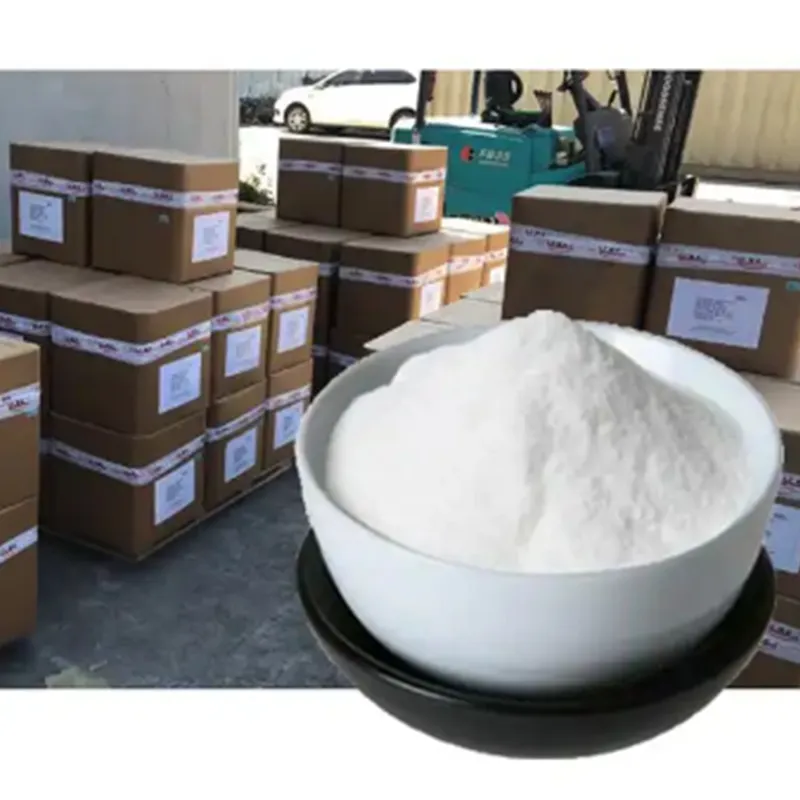
4. Sorbitan Esters These emulsifiers are used in various baked goods and confections. They provide stability and improved texture, making them ideal for products that require a long shelf life.
5. Starch-based Emulsifiers Modified food starches are gaining popularity as emulsifiers in the food industry. They offer natural thickening and emulsifying properties and are often used in sauces and dressings.
Benefits of Edible Emulsifiers
The inclusion of edible emulsifiers in food products brings several advantages. First, they enhance the stability of emulsions, reducing the likelihood of separation over time. This is particularly important for products facing extended shelf life requirements. Moreover, emulsifiers can improve texture and mouthfeel, leading to a more palatable and enjoyable eating experience.
Additionally, emulsifiers contribute to the cost-effectiveness of food production. By improving emulsion stability, producers can optimize ingredient usage, reducing waste and enhancing the economic viability of their products. This is especially crucial in a competitive market where cost control is essential.
Health Considerations
While edible emulsifiers are generally recognized as safe, there has been ongoing debate regarding their health implications. Some studies have suggested that certain emulsifiers might influence gut health or contribute to metabolic disorders. However, regulators and health agencies have not found substantial evidence to warrant concerns over the consumption of approved food-grade emulsifiers at typical dietary levels.
Conclusion
Edible emulsifiers are indispensable components of the modern food industry, serving a critical role in improving the stability, texture, and overall quality of food products. As consumer preferences evolve towards cleaner labels and healthier options, the food industry is also exploring natural emulsifiers and ingredient alternatives. Understanding the functionality and benefits of emulsifiers will remain essential for both food manufacturers and consumers as we navigate the complex world of food science. The future of food will likely see innovations that balance the desire for natural ingredients with the practical needs of food processing, ensuring that emulsifiers continue to play a pivotal role in our diets.
-
Aspartame Buyer FAQ: Sweetness, Specifications and ApplicationsNewsNov.02,2026
-
Aluminum Hydroxide FAQ: Specifications, Ordering and Support QuestionsNewsOct.28,2026
-
Improve Crop Yield with Premium Calcium Boron FertilizerNewsJul.01,2026
-
Ultimate Guide to Cal Mag Fertilizer for Boosting Plant HealthNewsJun.29,2026
-
Maximize Crop Recovery Using High Performance Bounce Back FertilizerNewsJun.27,2026
-
Maximize Crop Yields and Soil Health with Biozyme FertilizerNewsJun.26,2026
-
Sustainable Agriculture Guide using bio organic fertilizerNewsJun.25,2026
Hebei Tenger Chemical Technology Co., Ltd. focuses on the chemical industry and is committed to the export service of chemical raw materials.
-

view more Tplyltriazole(TTA)Tplyltriazole is a powerful and versatile corrosion inhibitor,it is a white particle or powder that is easily hygroscopic and can be processed into large, small, columnar, fine, or powdered shapes.It is a highly effective solution for preventing rust and corrosion on a variety of metal surfaces, making it an ideal choice for a wide range of applications. -

view more Formic AcidFormic acid, is a colorless, pungent-smelling liquid.With its unique properties and diverse applications that serves a wide range of industrial and commercial applications. -

view more Aluminum HydroxideAluminum Hydroxide, a versatile and essential product for a wide range of applications.This product is a white, amorphous powder that is insoluble in water and has a variety of uses in industries such as pharmaceuticals, cosmetics, and manufacturing.