





Exploring Safe and Effective Edible Preservatives for Food Preservation
Understanding Edible Preservatives Enhancing Food Safety and Quality
In the modern era of food production and consumption, preservative agents play a crucial role in maintaining the safety and quality of edible products. Edible preservatives, often referred to as food preservatives, are substances added to processed foods to prolong their shelf life, prevent spoilage, and maintain flavor. As consumers become more concerned about food safety and health implications, understanding the different types of edible preservatives, their functions, and their impact on our diet becomes essential.
What Are Edible Preservatives?
Edible preservatives are classified into two main categories natural and synthetic preservatives. Natural preservatives, often derived from plants, minerals, or animal sources, include substances like salt, sugar, vinegar, and certain herbs and spices. These agents work by creating an environment that is inhospitable for microbial growth, thereby extending the preservation of food. On the other hand, synthetic preservatives are chemically manufactured substances that serve the same purpose. Common examples include sodium benzoate, potassium sorbate, and sulfur dioxide. These additives are often used for their efficacy in inhibiting the growth of bacteria, molds, and yeasts that can cause foodborne illnesses and spoilage.
The Role of Edible Preservatives
The primary role of edible preservatives is to enhance the shelf life of food products by preventing microbial growth, oxidation, and other chemical changes that can compromise food quality. For instance, antioxidants like ascorbic acid (vitamin C) and tocopherols (vitamin E) are commonly used to prevent rancidity in fats and oils by inhibiting oxidative deterioration. Similarly, preservatives such as sodium nitrate and nitrite are often used in cured meat products to prevent botulism, a potentially fatal illness caused by bacteria.
edible preservatives
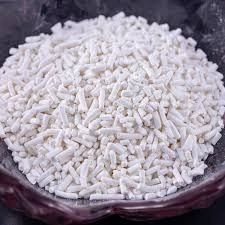
In addition to enhancing shelf life, edible preservatives can also help maintain the sensory attributes of food, including color, texture, and flavor. For example, citric acid is frequently used in fruit juices to prevent browning and maintain freshness. Without these preservatives, many foods would have a significantly shorter shelf life, leading to increased food waste and potential health risks involved in consuming spoiled products.
Health Considerations
While preservatives are integral to modern food systems, their use has raised health concerns among consumers. Some individuals may have sensitivities or allergies to certain synthetic preservatives, leading to adverse reactions. For instance, sulfites, commonly used in dried fruits and wines, can trigger asthma symptoms in sensitive individuals. Furthermore, there is ongoing debate regarding the long-term health effects of consuming synthetic preservatives, with some studies suggesting links to hyperactivity in children and other health issues.
To counteract these concerns, the food industry has been actively working to develop cleaner labels that prioritize natural preservatives. This trend reflects a growing consumer preference for whole, minimally processed foods. As a result, many brands are reformulating their products to utilize natural alternatives, aiming to satisfy health-conscious consumers while still ensuring food safety.
Conclusion
Edible preservatives play a vital role in maintaining the safety, quality, and shelf life of food products. Understanding the different types of preservatives, their various functions, and their health implications allows consumers to make informed choices about their food. While both natural and synthetic preservatives have their places in food preservation, the trend toward natural options reflects a broader shift in consumer preferences. As we navigate the complexities of modern food systems, continuing to educate ourselves about food additives and preservatives is essential. This knowledge not only helps us make better dietary choices but also fosters a greater appreciation for the science behind food preservation, essential for ensuring the availability of safe and enjoyable food for future generations.
-
How to Choose Dimethyl Disulfide DMDS for Industrial UseNewsNov.09,2026
-
Aspartame Buyer FAQ: Sweetness, Specifications and ApplicationsNewsNov.02,2026
-
Aluminum Hydroxide FAQ: Specifications, Ordering and Support QuestionsNewsOct.28,2026
-
Improve Crop Yield with Premium Calcium Boron FertilizerNewsJul.01,2026
-
Ultimate Guide to Cal Mag Fertilizer for Boosting Plant HealthNewsJun.29,2026
-
Maximize Crop Recovery Using High Performance Bounce Back FertilizerNewsJun.27,2026
-
Maximize Crop Yields and Soil Health with Biozyme FertilizerNewsJun.26,2026
Hebei Tenger Chemical Technology Co., Ltd. focuses on the chemical industry and is committed to the export service of chemical raw materials.
-

view more Tplyltriazole(TTA)Tplyltriazole is a powerful and versatile corrosion inhibitor,it is a white particle or powder that is easily hygroscopic and can be processed into large, small, columnar, fine, or powdered shapes.It is a highly effective solution for preventing rust and corrosion on a variety of metal surfaces, making it an ideal choice for a wide range of applications. -

view more Formic AcidFormic acid, is a colorless, pungent-smelling liquid.With its unique properties and diverse applications that serves a wide range of industrial and commercial applications. -

view more Aluminum HydroxideAluminum Hydroxide, a versatile and essential product for a wide range of applications.This product is a white, amorphous powder that is insoluble in water and has a variety of uses in industries such as pharmaceuticals, cosmetics, and manufacturing.