





emulsifier baking
The Role of Emulsifiers in Baking
Baking is both an art and a science, and one of the key players in achieving the perfect texture, taste, and appearance of baked goods is the emulsifier. Emulsifiers are substances that help blend ingredients that typically don't mix well, such as oil and water. This article delves into how emulsifiers function, their benefits in baking, and some common examples used in the industry.
The Role of Emulsifiers in Baking
One of the main benefits of using emulsifiers in baking is improved texture. For instance, emulsifiers can help create a finer crumb in cakes and breads, making them softer and more appealing. They also play a critical role in increasing volume. When used in bread-making, emulsifiers trap air bubbles more effectively, allowing the dough to rise higher and creating a lighter product. This is essential for achieving the airy structure that characterizes many baked goods.
emulsifier baking
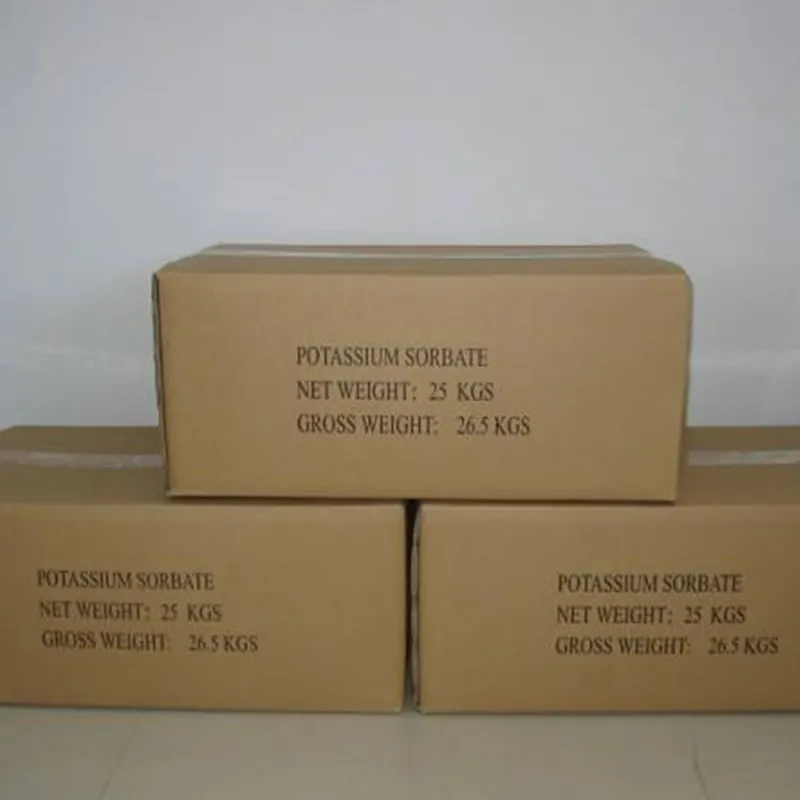
Moreover, emulsifiers can enhance the shelf life of baked products. By creating a stable emulsion, they help retain moisture, which can prevent staleness and extend the freshness of items like muffins, bread, and pastries. This is particularly important in commercial baking, where products need to maintain their quality over time as they travel from the production facility to the consumer.
Common emulsifiers used in baking include lecithin, mono- and diglycerides, and various natural gums. Lecithin, typically derived from soybeans or eggs, is a popular choice because it offers excellent emulsifying properties while also being a natural ingredient that appeals to health-conscious consumers. Mono- and diglycerides are often used in commercial baked goods due to their effectiveness and relatively low cost.
While emulsifiers provide significant benefits, it’s essential to use them judiciously. Overuse can lead to adverse effects, such as a gummy texture or a slick mouthfeel, which may detract from the overall eating experience. Bakers must balance the amount of emulsifier based on the specific recipe and desired outcome.
In conclusion, emulsifiers play a vital role in the baking process, facilitating the blending of ingredients, enhancing texture, improving volume, and extending shelf life. As baking continues to evolve, understanding the science behind emulsifiers and their application will help bakers create more consistent and high-quality products. Whether you're a professional baker or a home enthusiast, incorporating the right emulsifiers can take your baked goods to the next level, ensuring they are both delicious and visually appealing.
-
Aspartame Buyer FAQ: Sweetness, Specifications and ApplicationsNewsNov.02,2026
-
Aluminum Hydroxide FAQ: Specifications, Ordering and Support QuestionsNewsOct.28,2026
-
Improve Crop Yield with Premium Calcium Boron FertilizerNewsJul.01,2026
-
Ultimate Guide to Cal Mag Fertilizer for Boosting Plant HealthNewsJun.29,2026
-
Maximize Crop Recovery Using High Performance Bounce Back FertilizerNewsJun.27,2026
-
Maximize Crop Yields and Soil Health with Biozyme FertilizerNewsJun.26,2026
-
Sustainable Agriculture Guide using bio organic fertilizerNewsJun.25,2026
Hebei Tenger Chemical Technology Co., Ltd. focuses on the chemical industry and is committed to the export service of chemical raw materials.
-

view more Tplyltriazole(TTA)Tplyltriazole is a powerful and versatile corrosion inhibitor,it is a white particle or powder that is easily hygroscopic and can be processed into large, small, columnar, fine, or powdered shapes.It is a highly effective solution for preventing rust and corrosion on a variety of metal surfaces, making it an ideal choice for a wide range of applications. -

view more Formic AcidFormic acid, is a colorless, pungent-smelling liquid.With its unique properties and diverse applications that serves a wide range of industrial and commercial applications. -

view more Aluminum HydroxideAluminum Hydroxide, a versatile and essential product for a wide range of applications.This product is a white, amorphous powder that is insoluble in water and has a variety of uses in industries such as pharmaceuticals, cosmetics, and manufacturing.