





Expert Insights on Food Additives Preservatives for Industry Use
Understanding Food Additives Preservatives: A Veteran’s Perspective
Having worked in industrial equipment manufacturing and chemical processing for the food industry for over two decades, I can honestly say the role of food additives preservatives is often underrated—even though they’re essential players behind the scenes. Sure, they don’t get the spotlight like flavorings or packaging innovations, but trust me, without them, shelf stability and food safety would be a nightmare.
Oddly enough, many people tend to associate preservatives with chemical additives causing health concerns. But from my experience working alongside chemists and quality control teams, modern preservatives have come a long way. They’re carefully formulated and tested to balance effectiveness and compliance with safety regulations worldwide.
In real terms, these additives function primarily to inhibit microbial growth—mold, yeast, bacteria. They act almost like microscopic bodyguards for your food products. Depending on the product type and processing conditions, manufacturers choose from a toolbox of preservatives that suit their needs: organic acids like sorbic or benzoic acid, natural extracts such as rosemary, or multifunctional agents that additionally control oxidation.
Here’s a quick rundown of some common preservatives you’re likely to encounter at industrial scale:
| Preservative | Type | Common Uses | Typical Dosage |
|---|---|---|---|
| Sorbic Acid | Organic Acid | Bakery, Cheese, Beverages | 0.1 - 0.3% |
| Sodium Benzoate | Salt of Benzoic Acid | Soft Drinks, Pickles | 0.05 - 0.1% |
| Calcium Propionate | Calcium Salt | Bread & Rolls | 0.1 - 0.25% |
| Natural Extracts | Plant-Based | Snacks, Meat Products | Varies |
Now, it’s not just the chemical properties that determine how suitable a preservative is. I’ve noticed—in countless plant visits and project collaborations—that the supplier reliability, technical support, and quality consistency matter just as much. It’s kind of like buying machinery: a high-grade component with poor after-sale service won’t get you far.
So, if you’re wondering about sourcing, here’s a comparison I’ve found useful when evaluating major food additives preservatives suppliers in terms of product quality, regulatory certifications, customization options, and logistics support:
| Vendor | Certifications | Customization | Lead Time | Technical Support |
|---|---|---|---|---|
| Tenger Chemical | ISO, GMP, FDA | Tailored Formulations | 2-3 Weeks | Comprehensive |
| Supplier B | ISO, FDA | Limited | 4-6 Weeks | Basic |
| Supplier C | GMP only | None | 1-2 Weeks | Minimal |
One memorable story comes to mind: I was once part of a project developing a ready-to-eat meal line where shelf life was notoriously tricky due to high moisture content. The client was skeptical about preservatives but agreed to trial a custom blend from a trusted vendor. Not only did the products hold up better during storage, but consumer feedback was actually positive—no off-flavors, just fresher taste longer. That’s the subtle magic of good preservation.
In short, while the chemistry behind food additives preservatives can get complicated, their purpose is straightforward: keep food safe and appealing. Selecting the right product and reliable partner can make all the difference—you know, kind of like assembling a well-oiled machine. If you want to dig deeper into specific formulations and sourcing, I’d recommend checking out Tenger Chemical’s offerings—they’ve built a solid reputation from experience and consistency.
At the end of the day, preservatives don’t have to be scary—just well-understood and well-applied. A bit like many things in the industrial food world.
— Written by an industry insider with years of hands-on experience in food-grade chemical additives and industrial sourcing.
References:
- Institute of Food Technologists, “Food Additives & Ingredients” (2022).
- Food and Drug Administration (FDA) Regulations on Food Preservatives.
- Personal notes and project experience (2000-2023).
-
The Essential Guide to Sorbates as Food Preservatives for SafetyNewsApr.16,2026
-
The Ultimate Guide to Sorbate Preservative in Modern IndustryNewsApr.09,2026
-
Comprehensive Guide to Sodium Stearoyl Lactylate Emulsifier Applications and BenefitsNewsApr.07,2026
-
Comprehensive Guide to Sodium Cyclamate Sweetener Properties and ApplicationsNewsApr.04,2026
-
Comprehensive Guide to Sodium Citrate Food Additive and Its ApplicationsNewsMar.31,2026
-
Comprehensive Guide to Sodium Bicarbonate Food Additive Applications and BenefitsNewsMar.28,2026
-
Understanding Sodium Benzoate Preservative in Cosmetics and Its ApplicationsNewsMar.26,2026
Hebei Tenger Chemical Technology Co., Ltd. focuses on the chemical industry and is committed to the export service of chemical raw materials.
-
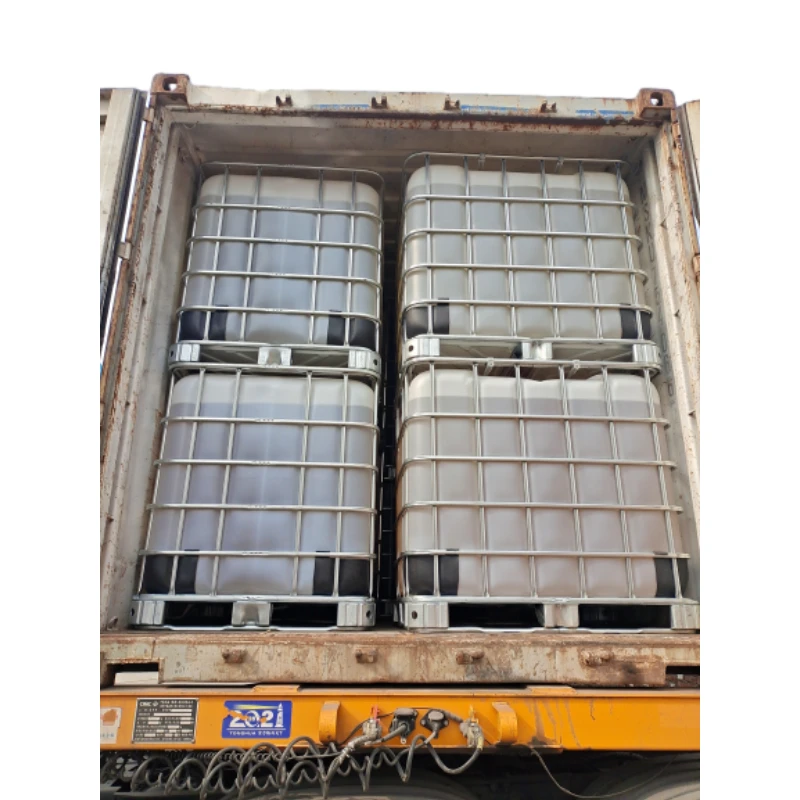
view more DiethanolisopropanolamineIn the ever-growing field of chemical solutions, diethanolisopropanolamine (DEIPA) stands out as a versatile and important compound. Due to its unique chemical structure and properties, DEIPA is of interest to various industries including construction, personal care, and agriculture. -
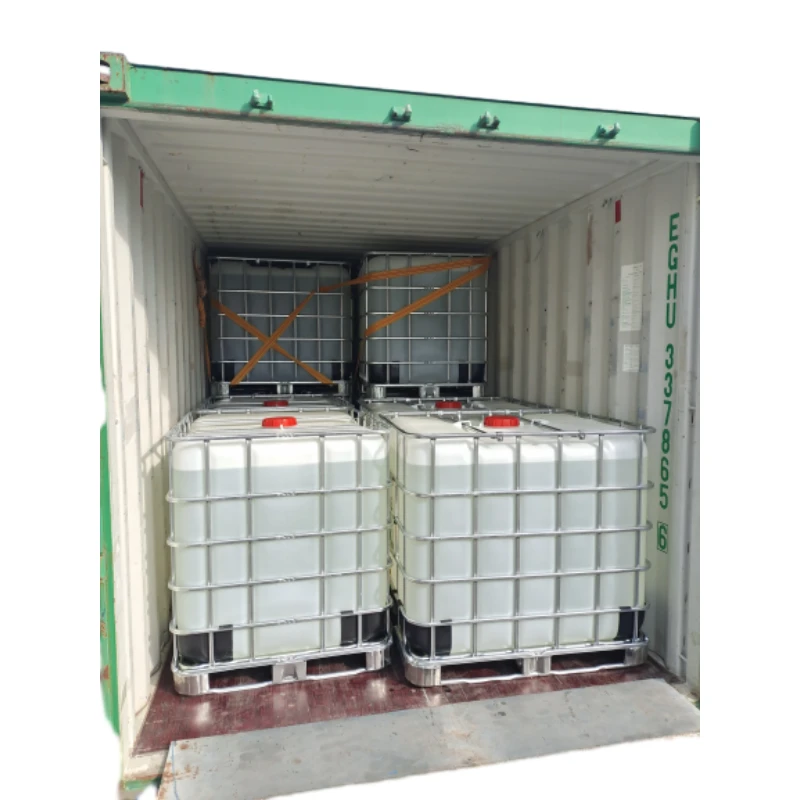
view more TriisopropanolamineTriisopropanolamine (TIPA) alkanol amine substance, is a kind of alcohol amine compound with amino and alcohol hydroxyl, and because of its molecules contains both amino and hydroxyl. -

view more Tetramethyl Thiuram DisulfideTetramethyl thiuram disulfide, also known as TMTD, is a white to light-yellow powder with a distinct sulfur-like odor. It is soluble in organic solvents such as benzene, acetone, and ethyl acetate, making it highly versatile for use in different formulations. TMTD is known for its excellent vulcanization acceleration properties, which makes it a key ingredient in the production of rubber products. Additionally, it acts as an effective fungicide and bactericide, making it valuable in agricultural applications. Its high purity and stability ensure consistent performance, making it a preferred choice for manufacturers across various industries.