





Food Additives in Bread: Enhancing Quality and Freshness
Understanding Food Additives in Bread: What You Should Know
Working in the industrial food equipment sector for more than a decade, I've often witnessed the subtle but critical role that food additives play in bread production. Now, food additives in bread aren’t about sneaky chemicals or unnecessary extras. Frankly, they are about consistency, quality, and making sure every loaf tastes just right — whether it’s from a giant bakery or a small artisan shop.
You see, bread is deceptively simple: water, flour, yeast, and salt. But the moment you expand production, variables creep in — humidity, flour inconsistencies, yeast performance, even the baking environment. This is where additives come in, stabilizing dough and extending freshness without reinventing the wheel. Oddly enough, even with today's push for cleaner labels, some additives are indispensable in mass production.
For those curious or in the business, here’s a quick overview of common additives like emulsifiers, dough conditioners, and preservatives. Emulsifiers, for example, ensure that the fat and water mix evenly, improving crumb texture and shelf life. Dough conditioners help speed up fermentation and improve dough handling. On the other hand, preservatives keep the bread from molding too quickly, which matters a lot for distribution and sales.
In real terms, these additives must be precisely blended. I remember visiting a facility where they used a food-grade emulsifier that increased dough elasticity noticeably. The operators said it cut down reject rates by nearly 15%. It’s those small gains that can make a big difference in production efficiency and product quality.
| Additive Type | Function | Usage Rate (%) | Common Source |
|---|---|---|---|
| Emulsifiers | Improve dough stability, texture | 0.3 - 0.5 | Lecithin, DATEM |
| Preservatives | Extends shelf life, inhibits mold | 0.02 - 0.1 | Calcium propionate |
| Enzymes | Accelerate fermentation, improve texture | Varies | Amylase, xylanase |
Now, selecting the right supplier for these additives can be tricky. In my experience, it’s not just about price. Quality assurance, consistency, and product knowledge are equally important. For instance, some vendors provide better technical support or documentation for regulatory compliance, which frankly can save you headaches in production and audits.
| Vendor | Product Range | Technical Support | Certifications | Pricing |
|---|---|---|---|---|
| Tenger Chemical | Emulsifiers, Enzymes, Preservatives | Excellent, quick response | ISO, HACCP | Competitive |
| Vendor B | Limited, mostly emulsifiers | Average | ISO only | Higher |
| Vendor C | Wide, but variable batch quality | Limited | None | Low |
One of my favorite memories is from a mid-sized bakery in the Midwest. They struggled with uneven crumb structure and a short shelf life due to high humidity in the summer months. After switching to a slightly different enzyme blend and emulsifier from a trusted supplier, the difference was practically night and day. The bread stayed soft longer and customers noticed, leading to a boost in repeat sales. It’s anecdotes like these that show the real-world impact of the right additives.
You might wonder if bread with additives feels “less natural.” Honestly, with precise formulation, it's about enhancing, not overpowering. It’s a balancing act between tradition and modern food science. If you’re in the industry or just someone fascinated by bread, I encourage you to look a bit beyond the ingredient list — those tiny components carry big weight in the baking world.
And if you’re sourcing food additives, consider the supplier seriously. For example, Tenger Chemical stands out for reliable quality and technical expertise — essential for minimizing surprises in production.
At the end of the day, food additives in bread are just one piece of a bigger puzzle — they help bakers maintain consistency and quality so consumers get delicious, fresh bread every time.
Takeaway: Choosing the right additives and partners can be the quiet hero behind a great loaf.
- Jones, P.R., & Smith, L. "Food additives and bakery quality," Journal of Food Science, 2018.
- Food and Agriculture Organization. "Bread-making additives in industrial production," 2020.
- Tenger Chemical Product Documentation, 2023.
-
The Essential Guide to Sorbates as Food Preservatives for SafetyNewsApr.16,2026
-
The Ultimate Guide to Sorbate Preservative in Modern IndustryNewsApr.09,2026
-
Comprehensive Guide to Sodium Stearoyl Lactylate Emulsifier Applications and BenefitsNewsApr.07,2026
-
Comprehensive Guide to Sodium Cyclamate Sweetener Properties and ApplicationsNewsApr.04,2026
-
Comprehensive Guide to Sodium Citrate Food Additive and Its ApplicationsNewsMar.31,2026
-
Comprehensive Guide to Sodium Bicarbonate Food Additive Applications and BenefitsNewsMar.28,2026
-
Understanding Sodium Benzoate Preservative in Cosmetics and Its ApplicationsNewsMar.26,2026
Hebei Tenger Chemical Technology Co., Ltd. focuses on the chemical industry and is committed to the export service of chemical raw materials.
-
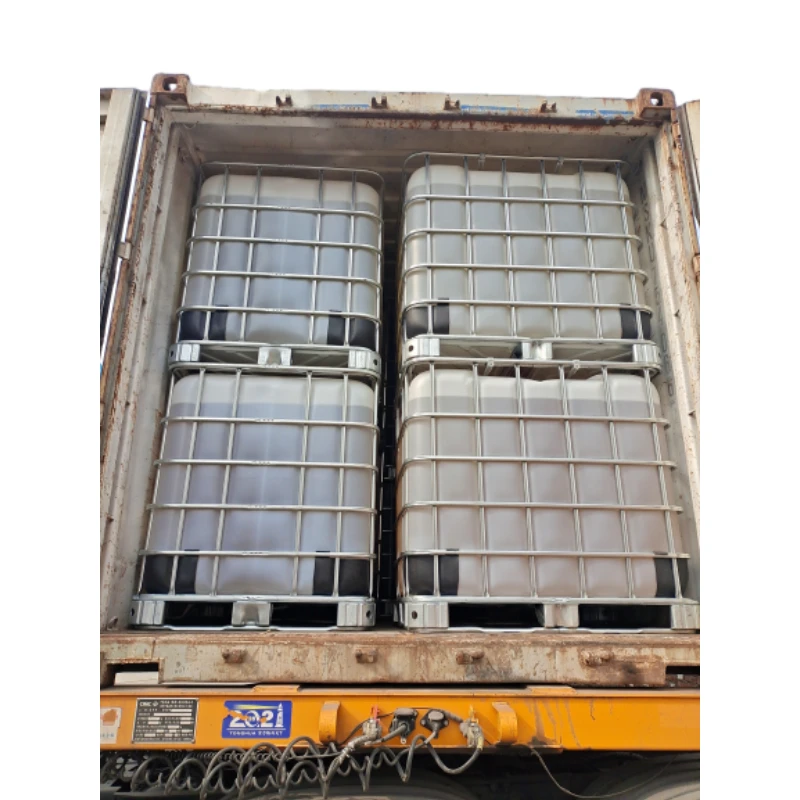
view more DiethanolisopropanolamineIn the ever-growing field of chemical solutions, diethanolisopropanolamine (DEIPA) stands out as a versatile and important compound. Due to its unique chemical structure and properties, DEIPA is of interest to various industries including construction, personal care, and agriculture. -
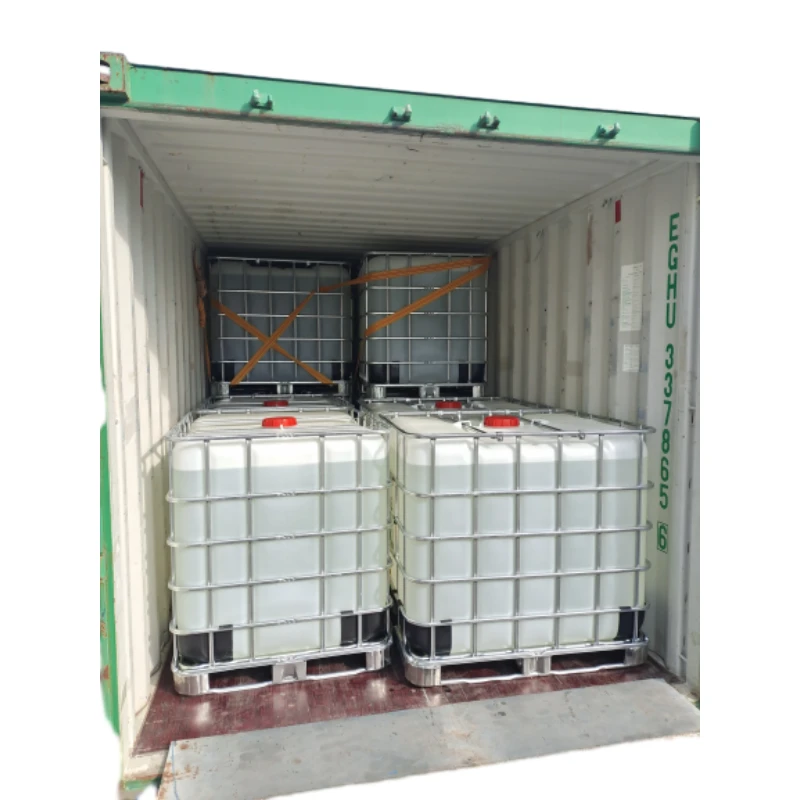
view more TriisopropanolamineTriisopropanolamine (TIPA) alkanol amine substance, is a kind of alcohol amine compound with amino and alcohol hydroxyl, and because of its molecules contains both amino and hydroxyl. -
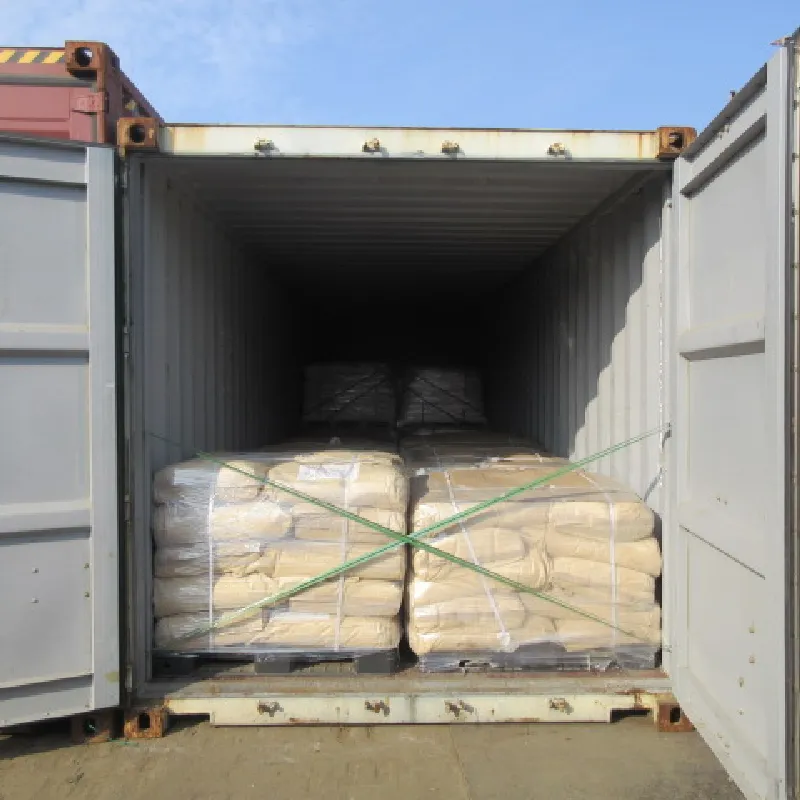
view more Tetramethyl Thiuram DisulfideTetramethyl thiuram disulfide, also known as TMTD, is a white to light-yellow powder with a distinct sulfur-like odor. It is soluble in organic solvents such as benzene, acetone, and ethyl acetate, making it highly versatile for use in different formulations. TMTD is known for its excellent vulcanization acceleration properties, which makes it a key ingredient in the production of rubber products. Additionally, it acts as an effective fungicide and bactericide, making it valuable in agricultural applications. Its high purity and stability ensure consistent performance, making it a preferred choice for manufacturers across various industries.