





Exploring the Landscape of Food Additives in China and Their Impact on Health
Food Additives in China An Overview
Food additives play a crucial role in the modern food industry, particularly in a country as vast and diverse as China. As the world’s most populous nation and a rapidly growing economy, China faces unique challenges and opportunities in the realm of food safety and quality. Understanding the landscape of food additives in China is essential for manufacturers, regulators, and consumers alike.
Types of Food Additives
Food additives are substances added to food products to preserve flavors, enhance taste, improve appearance, and extend shelf life. In China, the use of food additives is regulated by the National Health Commission (NHC), which outlines which substances can be used and in what quantities. The common categories of food additives include
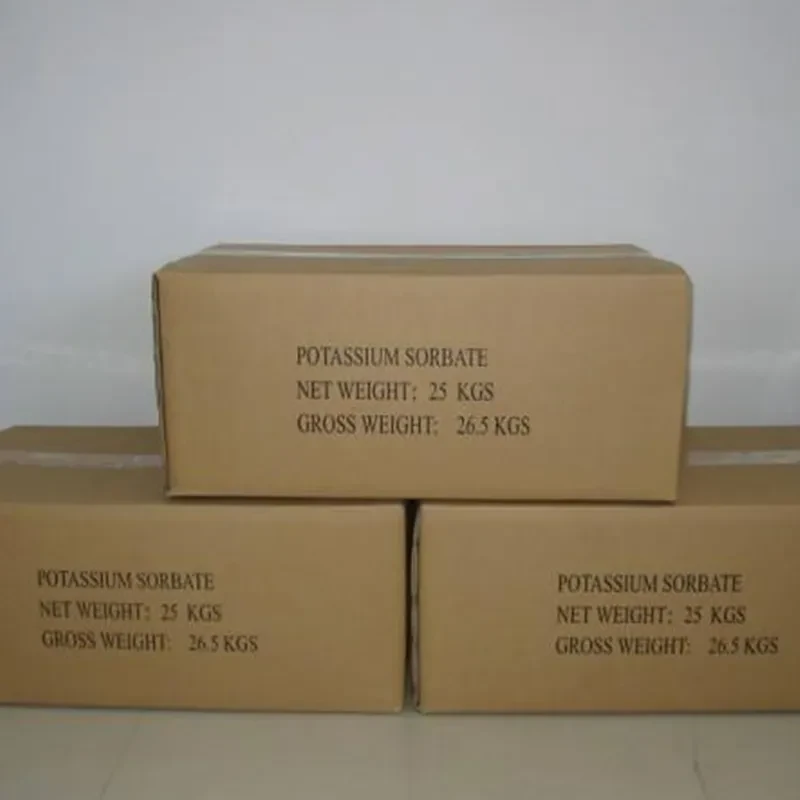
1. Preservatives These substances inhibit the growth of microorganisms, thereby prolonging the shelf life of products. Common preservatives used in China include sodium benzoate and potassium sorbate.
2. Coloring Agents Color additives enhance the visual appeal of food. Natural pigments like beta-carotene and synthetic dyes such as sunset yellow are popular in various food products. However, the safety of certain artificial colorings remains a topic of debate.
3. Flavor Enhancers Monosodium glutamate (MSG) is one of the most well-known flavor enhancers used in Chinese cuisine. While it is celebrated for enhancing umami flavors, some consumers express concerns about potential allergies and sensitivity.
4. Emulsifiers and Stabilizers These additives are crucial in maintaining texture and consistency in food products. Lecithin and xanthan gum are commonly used in sauces and baked goods to ensure uniformity.
Regulatory Framework
food additives china
China’s regulatory framework for food additives is designed to ensure public health and safety. The NHC periodically revises its regulations to keep pace with scientific advancements and international standards. The Chinese Food Safety Law also mandates that food manufacturers strictly comply with the approved lists of additives, along with their permissible levels.
Moreover, China participates in international food safety organizations, which helps harmonize its standards with global practices. This is particularly important for exporters who must meet stringent requirements in foreign markets.
Challenges and Concerns
Despite the regulatory framework, China’s food industry faces challenges related to food additive use. Issues such as mislabeling, overuse of certain additives, and the use of banned substances have surfaced. The rapid pace of urbanization and the increasing demand for processed foods have compounded these problems, prompting the government to enhance monitoring and enforcement mechanisms.
Consumer awareness is on the rise, with more individuals questioning what goes into their food. This shift has led to increased interest in natural ingredients and reduced chemical additives. Many brands are adapting to this trend by reformulating products, focusing on clean labeling, and emphasizing the absence of artificial additives.
Future Directions
Looking ahead, the landscape of food additives in China is expected to evolve further. With advancements in food technology and growing consumer demand for transparency, manufacturers will likely focus on developing innovative, safer, and more natural food additives.
Additionally, education and awareness campaigns are crucial in helping consumers understand the complexities of food additives. By promoting informed choices, the government and industry stakeholders can work together to ensure a healthy food environment.
In conclusion, food additives are an essential component of the food supply in China, offering both benefits and challenges. As the country continues to develop, striking a balance between innovation, safety, and consumer preferences will be key in shaping the future of food additives in the nation. The ongoing dialogue between regulators, manufacturers, and consumers will ultimately determine how this essential aspect of the food industry progresses in a health-conscious society.
-
How to Choose Dimethyl Disulfide DMDS for Industrial UseNewsNov.09,2026
-
Aspartame Buyer FAQ: Sweetness, Specifications and ApplicationsNewsNov.02,2026
-
Aluminum Hydroxide FAQ: Specifications, Ordering and Support QuestionsNewsOct.28,2026
-
Improve Crop Yield with Premium Calcium Boron FertilizerNewsJul.01,2026
-
Ultimate Guide to Cal Mag Fertilizer for Boosting Plant HealthNewsJun.29,2026
-
Maximize Crop Recovery Using High Performance Bounce Back FertilizerNewsJun.27,2026
-
Maximize Crop Yields and Soil Health with Biozyme FertilizerNewsJun.26,2026
Hebei Tenger Chemical Technology Co., Ltd. focuses on the chemical industry and is committed to the export service of chemical raw materials.
-

view more Tplyltriazole(TTA)Tplyltriazole is a powerful and versatile corrosion inhibitor,it is a white particle or powder that is easily hygroscopic and can be processed into large, small, columnar, fine, or powdered shapes.It is a highly effective solution for preventing rust and corrosion on a variety of metal surfaces, making it an ideal choice for a wide range of applications. -

view more Formic AcidFormic acid, is a colorless, pungent-smelling liquid.With its unique properties and diverse applications that serves a wide range of industrial and commercial applications. -

view more Aluminum HydroxideAluminum Hydroxide, a versatile and essential product for a wide range of applications.This product is a white, amorphous powder that is insoluble in water and has a variety of uses in industries such as pharmaceuticals, cosmetics, and manufacturing.