





Exploring the Role of Gum as a Food Additive in Modern Products
The Role of Gum as a Food Additive
Gums are a group of hydrophilic polysaccharides derived from natural sources or synthesized through various chemical processes. They play a crucial role in the food industry, serving as food additives that enhance the texture, stability, and shelf life of a wide range of food products. This article delves into the various types of gums used as food additives, their functionalities, and their significance in modern food production.
Types of Gums Used in Food
Several types of gums are commonly used as food additives. Among them, xanthan gum, guar gum, and carboxymethyl cellulose (CMC) are the most widely recognized. Xanthan gum is produced through the fermentation process of sugar by the bacterium Xanthomonas campestris. It is known for its exceptional thickening and stabilizing properties, making it a popular choice in salad dressings, sauces, and gluten-free baked goods.
Guar gum, derived from the seeds of the guar plant, is another essential food additive. Its ability to hydrate quickly and form a viscous gel makes it ideal for use in dairy products, soups, and baked goods. Both xanthan and guar gums are often used in combination to achieve a desirable texture and viscosity in food formulations.
Carboxymethyl cellulose, or CMC, is a modified cellulose gum that has gained popularity in the food industry. It acts as a thickener, stabilizer, and emulsifier, reducing syneresis (the separation of liquid from a gel) in products like yogurt and ice cream. CMC is also effective in improving the mouthfeel of low-fat products, contributing to consumer acceptance of healthier options.
Functions of Gums in Food Products
The primary function of gums in food is to modify viscosity and texture. By absorbing water, gums can swell and form a gel-like consistency, which enhances mouthfeel and overall sensory experience. This is especially important in low-fat or reduced-calorie products, where traditional fats would usually contribute to texture and stability.
gum food additive
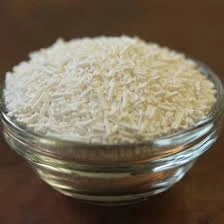
In addition to thickening, gums serve as stabilizers, preventing the separation of ingredients in emulsified products such as mayonnaise and sauces. They help maintain the uniformity and appearance of these products, extending their shelf life while ensuring consumer satisfaction.
Gums also play a vital role in moisture retention. By binding water within food matrices, they help maintain freshness and prevent spoilage. This property is particularly beneficial in baked goods, where gums can improve moisture retention, leading to a softer texture and prolonged shelf life.
Moreover, gums can act as fat replacers in the formulation of low-fat and reduced-calorie products, helping to mimic the creaminess and mouthfeel of fats without the added calories. This makes it easier for manufacturers to create products that meet consumer demand for healthier choices while still maintaining desirable textural characteristics.
The Safety and Regulatory Aspects
The use of gums as food additives is generally regarded as safe, as they have been extensively studied and regulated by food safety authorities. In the United States, the Food and Drug Administration (FDA) classifies most gums as Generally Recognized as Safe (GRAS). However, it is essential for food manufacturers to adhere to established guidelines regarding their usage to ensure consumer safety.
Conclusion
In conclusion, gums are invaluable food additives that enhance the texture, stability, and overall quality of food products. Their ability to modify viscosity, act as stabilizers, and retain moisture makes them indispensable in the food industry. As consumer preferences shift towards healthier options, the role of gums as functional ingredients will continue to grow, contributing to the development of innovative food products that meet diverse dietary needs. With a wide array of applications and generally recognized safety, gums remain a cornerstone of modern food formulation, shaping the future of the culinary world.
-
How to Choose Dimethyl Disulfide DMDS for Industrial UseNewsNov.09,2026
-
Aspartame Buyer FAQ: Sweetness, Specifications and ApplicationsNewsNov.02,2026
-
Aluminum Hydroxide FAQ: Specifications, Ordering and Support QuestionsNewsOct.28,2026
-
Improve Crop Yield with Premium Calcium Boron FertilizerNewsJul.01,2026
-
Ultimate Guide to Cal Mag Fertilizer for Boosting Plant HealthNewsJun.29,2026
-
Maximize Crop Recovery Using High Performance Bounce Back FertilizerNewsJun.27,2026
-
Maximize Crop Yields and Soil Health with Biozyme FertilizerNewsJun.26,2026
Hebei Tenger Chemical Technology Co., Ltd. focuses on the chemical industry and is committed to the export service of chemical raw materials.
-

view more Tplyltriazole(TTA)Tplyltriazole is a powerful and versatile corrosion inhibitor,it is a white particle or powder that is easily hygroscopic and can be processed into large, small, columnar, fine, or powdered shapes.It is a highly effective solution for preventing rust and corrosion on a variety of metal surfaces, making it an ideal choice for a wide range of applications. -

view more Formic AcidFormic acid, is a colorless, pungent-smelling liquid.With its unique properties and diverse applications that serves a wide range of industrial and commercial applications. -

view more Aluminum HydroxideAluminum Hydroxide, a versatile and essential product for a wide range of applications.This product is a white, amorphous powder that is insoluble in water and has a variety of uses in industries such as pharmaceuticals, cosmetics, and manufacturing.