





Exploring the Role of Sorbates in Food Preservation and Safety
The Role of Sorbates as Food Preservatives
Food preservation is a critical aspect of food science, ensuring that edibles remain safe, fresh, and nutritious for consumption over time. Among the various substances employed to prolong shelf life, sorbates play a significant role. Sorbates, particularly potassium sorbate and sodium sorbate, are widely used food preservatives renowned for their effectiveness in inhibiting mold and yeast growth, which are common culprits of spoilage in various food products.
What Are Sorbates?
Sorbates are organic compounds derived from sorbic acid, a naturally occurring fatty acid found in some berries. They are classified as preservatives due to their ability to extend the longevity of food items by preventing microbial growth. Potassium sorbate is the most common form used in food preservation, recognized by its E number (E202) in the European Union and other regulatory frameworks worldwide.
Mechanism of Action
The antifungal and antimicrobial properties of sorbates stem from their ability to disrupt the cellular membranes of yeast and molds. When sorbates are introduced into food products, they undergo dissociation, releasing sorbic acid, which then enters microbial cells. This process inhibits the enzymes responsible for energy production, effectively stalling the growth of spoilage organisms. By lowering the pH and creating an environment less hospitable to bacteria and fungi, sorbates contribute to the enhanced safety and stability of food.
Applications of Sorbates
Sorbates are prevalent across a wide range of food products, including baked goods, dairy items, beverages, and processed fruits and vegetables. In baked goods, for instance, sorbates prevent mold formation, which is crucial for maintaining freshness and minimizing waste. In dairy products, they protect against spoilage bacteria, ensuring that products like cheese and yogurt have a longer shelf life without compromising quality.
Additionally, sorbates also have applications in the preservation of wines and condiments. They prevent spoilage and off-flavors in wines by controlling yeast growth during fermentation. In condiments like salad dressings and sauces, sorbates help maintain product consistency and flavor by inhibiting unwanted microbial activity.
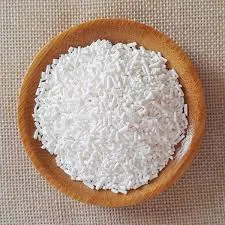
sorbates as food preservatives
Safety and Regulation
The use of sorbates in food is subject to rigorous safety assessments by regulatory organizations such as the U.S. Food and Drug Administration (FDA) and the European Food Safety Authority (EFSA). These organizations have concluded that sorbates are generally recognized as safe (GRAS) when used within specified limits. Current research indicates that when consumed in moderate amounts, sorbates do not pose significant health risks to the general population.
However, there are occasional concerns regarding allergic reactions in sensitive individuals. As with any food additive, it is essential for consumers to be informed about their presence in products, especially for those with food allergies or sensitivities.
The Future of Sorbates in Food Preservation
With the growing demand for natural and preservative-free food options, the food industry continually seeks innovative methods to replace synthetic preservatives. While sorbates are synthetic, their effective preservation capabilities cannot be overlooked. The challenge lies in integrating such preservatives in a way that aligns with evolving consumer preferences for natural ingredients.
Research continues into improving the efficacy of sorbates and developing new preservation techniques that can coexist with modern dietary trends. As the food industry navigates these changes, sorbates remain a vital part of food preservation technology, ensuring that consumers enjoy safe and high-quality products.
Conclusion
In conclusion, sorbates play a crucial role in food preservation by preventing spoilage and extending the shelf life of numerous products. With their strong antibacterial and antifungal properties, they provide an effective solution for food manufacturers aiming to deliver safe and fresh food to consumers. As our understanding of food preservation evolves, sorbates will undoubtedly continue to be an integral part of this field.
-
How to Choose Dimethyl Disulfide DMDS for Industrial UseNewsNov.09,2026
-
Aspartame Buyer FAQ: Sweetness, Specifications and ApplicationsNewsNov.02,2026
-
Aluminum Hydroxide FAQ: Specifications, Ordering and Support QuestionsNewsOct.28,2026
-
Improve Crop Yield with Premium Calcium Boron FertilizerNewsJul.01,2026
-
Ultimate Guide to Cal Mag Fertilizer for Boosting Plant HealthNewsJun.29,2026
-
Maximize Crop Recovery Using High Performance Bounce Back FertilizerNewsJun.27,2026
-
Maximize Crop Yields and Soil Health with Biozyme FertilizerNewsJun.26,2026
Hebei Tenger Chemical Technology Co., Ltd. focuses on the chemical industry and is committed to the export service of chemical raw materials.
-

view more Tplyltriazole(TTA)Tplyltriazole is a powerful and versatile corrosion inhibitor,it is a white particle or powder that is easily hygroscopic and can be processed into large, small, columnar, fine, or powdered shapes.It is a highly effective solution for preventing rust and corrosion on a variety of metal surfaces, making it an ideal choice for a wide range of applications. -

view more Formic AcidFormic acid, is a colorless, pungent-smelling liquid.With its unique properties and diverse applications that serves a wide range of industrial and commercial applications. -

view more Aluminum HydroxideAluminum Hydroxide, a versatile and essential product for a wide range of applications.This product is a white, amorphous powder that is insoluble in water and has a variety of uses in industries such as pharmaceuticals, cosmetics, and manufacturing.