





Exploring the Uses and Effects of Preservative E223 in Food Industry
Understanding Preservative E223 What You Need to Know
In the realm of food additives, preservatives play a crucial role in extending the shelf life and maintaining the quality of various food products. One such preservative that often comes into the spotlight is E223, also known as sodium metabisulfite. This chemical compound, represented by the E number E223, is widely used in the food industry, but its role, safety, and effects on health and the environment merit closer examination.
What is E223?
Sodium metabisulfite is a white crystalline powder that has a distinct sulfurous smell. It is primarily used as a preservative, antioxidant, and bleaching agent in a variety of food products, including dried fruits, wines, and some processed foods. E223 acts by inhibiting the growth of microorganisms and preventing oxidation, thereby preserving the color, flavor, and nutritional value of food.
Usage in Food Products
You might find E223 in a myriad of items on supermarket shelves. Dried fruits, such as apricots and raisins, often contain this preservative to prevent browning and maintain freshness. Additionally, sodium metabisulfite is commonly used in the wine-making process to inhibit unwanted bacteria and wild yeast, ensuring a cleaner fermentation process. In other processed foods, it can help retain color and prevent spoilage, making it a valuable ingredient within the industry.
Safety and Regulations
Globally, E223 is subjected to various food safety regulations. The European Food Safety Authority (EFSA) and the U.S. Food and Drug Administration (FDA) consider sodium metabisulfite safe for consumption within specified limits. However, some individuals may experience allergic reactions, particularly those with asthma or sulfite sensitivities. Such reactions can range from mild symptoms like headaches and hives to more severe effects, necessitating caution for sensitive populations.
preservative 223
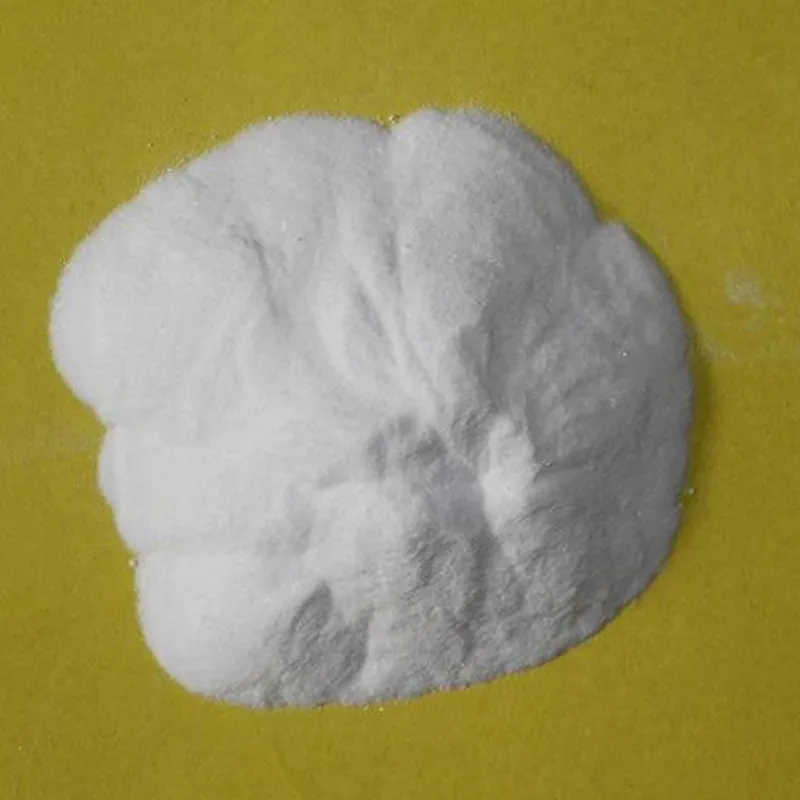
The acceptable daily intake (ADI) for E223 has been established by food safety authorities, signifying that moderate consumption is generally safe for most people. Nonetheless, it is always advisable to read food labels, especially for those who may have pre-existing sensitivities or allergies.
Environmental Concerns
While E223 is effective as a preservative, environmental concerns have arisen regarding its use. Sodium metabisulfite can release sulfur dioxide when it decomposes, which contributes to air pollution and can impact water quality if washed into waterways. Consequently, industries utilizing E223 must adhere to stringent disposal practices to minimize environmental impact.
Moreover, the excessive use of sulfites in food production has prompted discussions about sustainable practices and the search for natural alternatives. Innovation in food preservation is crucial as consumers increasingly demand eco-friendly options. Organic food producers, for instance, are exploring natural preservatives derived from plant extracts, thereby reducing reliance on synthetic additives like E223.
Conclusion
In summary, E223, or sodium metabisulfite, is a widely used food preservative known for its effectiveness in prolonging shelf life and inhibiting spoilage. While regarded as safe for consumption within regulated limits, its potential for allergic reactions necessitates awareness among consumers. Additionally, environmental implications highlight the need for sustainable practices in the food industry, spurring research into natural alternatives.
As consumers become more health-conscious and environmentally aware, the demand for transparency in food labeling and the reduction of synthetic preservatives may shape the future of food preservation. Understanding substances like E223 is crucial in making informed choices about what we eat and how it impacts our health and the environment.
-
How to Choose Dimethyl Disulfide DMDS for Industrial UseNewsNov.09,2026
-
Aspartame Buyer FAQ: Sweetness, Specifications and ApplicationsNewsNov.02,2026
-
Aluminum Hydroxide FAQ: Specifications, Ordering and Support QuestionsNewsOct.28,2026
-
Improve Crop Yield with Premium Calcium Boron FertilizerNewsJul.01,2026
-
Ultimate Guide to Cal Mag Fertilizer for Boosting Plant HealthNewsJun.29,2026
-
Maximize Crop Recovery Using High Performance Bounce Back FertilizerNewsJun.27,2026
-
Maximize Crop Yields and Soil Health with Biozyme FertilizerNewsJun.26,2026
Hebei Tenger Chemical Technology Co., Ltd. focuses on the chemical industry and is committed to the export service of chemical raw materials.
-

view more Tplyltriazole(TTA)Tplyltriazole is a powerful and versatile corrosion inhibitor,it is a white particle or powder that is easily hygroscopic and can be processed into large, small, columnar, fine, or powdered shapes.It is a highly effective solution for preventing rust and corrosion on a variety of metal surfaces, making it an ideal choice for a wide range of applications. -

view more Formic AcidFormic acid, is a colorless, pungent-smelling liquid.With its unique properties and diverse applications that serves a wide range of industrial and commercial applications. -

view more Aluminum HydroxideAluminum Hydroxide, a versatile and essential product for a wide range of applications.This product is a white, amorphous powder that is insoluble in water and has a variety of uses in industries such as pharmaceuticals, cosmetics, and manufacturing.