





flavour enhancer
The Role of Flavour Enhancers in Modern Cuisine
In the ever-evolving landscape of culinary arts, flavour enhancers have carved out a substantial niche, transforming the way we experience taste. These substances, often added to foods during processing or preparation, are designed to intensify the existing flavours, making them more pronounced and enjoyable. Flavour enhancers are particularly significant in today’s fast-paced world, where convenience often takes precedence over culinary tradition.
Flavour enhancers can be found in a myriad of food products—from savory snacks and frozen meals to sauces and seasonings. One of the most commonly recognized flavour enhancers is monosodium glutamate (MSG), a compound that gained popularity in the mid-20th century. MSG is known for its ability to amplify the umami taste, often described as a savoury, meaty flavour profile. Despite its historical controversies and negative perceptions regarding health concerns, research has largely debunked many myths surrounding MSG, demonstrating that it can be safely consumed by a majority of the population.
Besides MSG, other commonly used flavour enhancers include natural extracts such as yeast extract, hydrolyzed vegetable protein, and specific amino acids. These compounds work synergistically to enhance the overall taste experience without overwhelming the dish with excessive salt or sugar. Modern consumers, increasingly conscious about their health and nutrition, often seek out products that utilize these enhancers to create rich flavours with lower sodium levels. This shift in consumer preference has encouraged food manufacturers to innovate, finding ways to create delicious meals that satisfy cravings without compromising health.
The science of flavour enhancement is rooted in the complex interactions between taste and aroma. Our perception of flavour is largely a combination of these two senses. Research into flavour chemistry has revealed how certain compounds can stimulate specific taste receptors on our tongues, igniting a cascade of sensory experiences. This interchange between taste and smell is pivotal to understanding how flavour enhancers can elevate a dish. For example, adding a dash of yeast extract to a vegetable broth can enhance the depth of flavour, making it taste as if it has been simmered for hours, even when it has not.
flavour enhancer
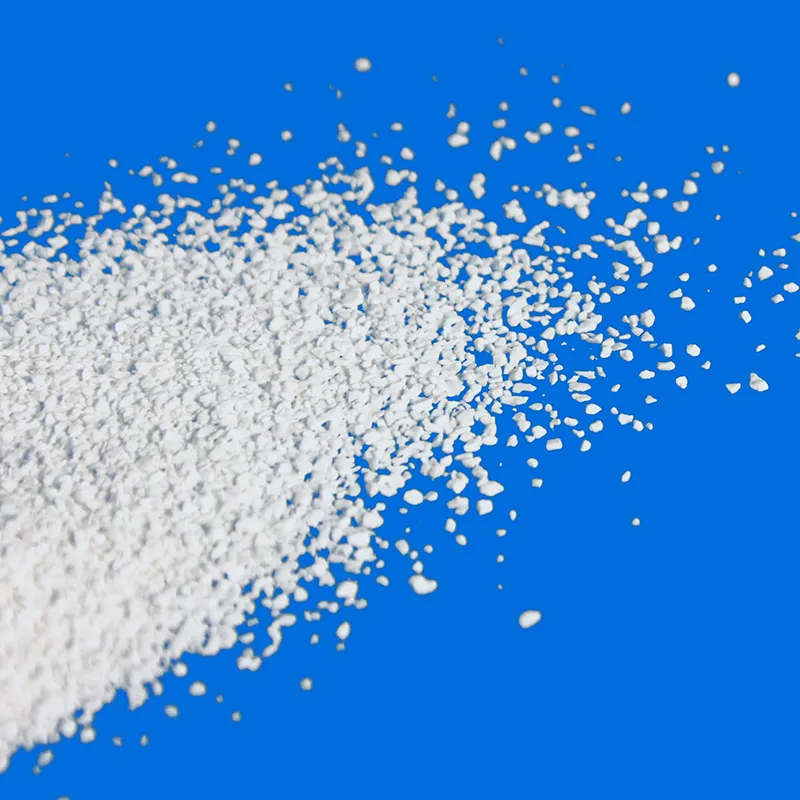
Flavour enhancers also play a crucial role in the foodservice industry, where chefs and restaurant owners strive to produce consistent, high-quality dishes. In this context, using flavour enhancers can help to overcome the variability of ingredients affected by seasonality and supply chain fluctuations. By implementing these enhancers, chefs can maintain the integrity of their signature dishes while ensuring patrons receive the same experience every time they visit.
Despite the advantages, there is an ongoing debate regarding the long-term impact of these enhancers on health. Some critics argue that reliance on artificial flavour enhancers can detract from the joy of cooking and lead to an over-dependency on processed foods. They advocate for a return to traditional cooking methods that emphasize fresh, whole ingredients and natural flavour development through techniques like fermentation, roasting, and slow cooking.
In response to these concerns, the food industry is witnessing a rise in demand for clean-label products—those that are free from artificial ingredients and additives. Many consumers are now looking for transparency in food sourcing and production methods, propelling a movement towards natural flavour enhancers derived from whole foods.
In conclusion, flavour enhancers occupy a pivotal role in modern cuisine, balancing convenience, taste, and health. As we continue to embrace innovation in cooking, the challenge will be to navigate the delicate line between enhancing flavour and maintaining the integrity of wholesome, nutritious food. Whether one views flavour enhancers as a boon or a bane, their impact on our culinary experiences remains undeniable, providing a bridge between traditional gastronomy and contemporary food needs.
-
How to Choose Dimethyl Disulfide DMDS for Industrial UseNewsNov.09,2026
-
Aspartame Buyer FAQ: Sweetness, Specifications and ApplicationsNewsNov.02,2026
-
Aluminum Hydroxide FAQ: Specifications, Ordering and Support QuestionsNewsOct.28,2026
-
Improve Crop Yield with Premium Calcium Boron FertilizerNewsJul.01,2026
-
Ultimate Guide to Cal Mag Fertilizer for Boosting Plant HealthNewsJun.29,2026
-
Maximize Crop Recovery Using High Performance Bounce Back FertilizerNewsJun.27,2026
-
Maximize Crop Yields and Soil Health with Biozyme FertilizerNewsJun.26,2026
Hebei Tenger Chemical Technology Co., Ltd. focuses on the chemical industry and is committed to the export service of chemical raw materials.
-

view more Tplyltriazole(TTA)Tplyltriazole is a powerful and versatile corrosion inhibitor,it is a white particle or powder that is easily hygroscopic and can be processed into large, small, columnar, fine, or powdered shapes.It is a highly effective solution for preventing rust and corrosion on a variety of metal surfaces, making it an ideal choice for a wide range of applications. -

view more Formic AcidFormic acid, is a colorless, pungent-smelling liquid.With its unique properties and diverse applications that serves a wide range of industrial and commercial applications. -

view more Aluminum HydroxideAluminum Hydroxide, a versatile and essential product for a wide range of applications.This product is a white, amorphous powder that is insoluble in water and has a variety of uses in industries such as pharmaceuticals, cosmetics, and manufacturing.