





Exploring the Impact of MSG as a Flavor Enhancer in Cooking and Food Industry
Understanding Monosodium Glutamate (MSG) as a Flavor Enhancer
Monosodium glutamate, commonly known as MSG, is a flavor enhancer that has garnered both popularity and controversy since its introduction to the culinary world. Recognized primarily for its ability to intensify taste, MSG has become a staple in various cuisines, particularly in Asian dishes. This article delves into what MSG is, how it works, its applications in food, and the debates surrounding its consumption.
What is MSG?
MSG is the sodium salt of glutamic acid, an amino acid that naturally occurs in many foods, including tomatoes, cheese, and mushrooms. It is synthesized by fermenting starch or molasses, making it a cost-effective additive for enhancing flavor. Although MSG was first isolated in 1908 by Japanese chemist Kikunae Ikeda, its widespread use began in the mid-20th century, coinciding with the growing popularity of Asian cuisine in Western countries.
How Does MSG Work?
MSG primarily functions by stimulating the umami taste receptor on the tongue. Umami, often described as a savory or meaty flavor, is one of the five basic tastes, alongside sweet, sour, bitter, and salty. The umami flavor is particularly prominent in protein-rich foods, and the presence of MSG can amplify this taste, making dishes more palatable and satisfying.
When MSG is added to food, it enhances the overall flavor profile, making the dish more appealing and, in many cases, allowing for reduced sodium content without sacrificing taste. This property has made MSG particularly valuable in processed foods, soups, sauces, and snacks.
Applications of MSG in Food Industry
flavour enhancer msg
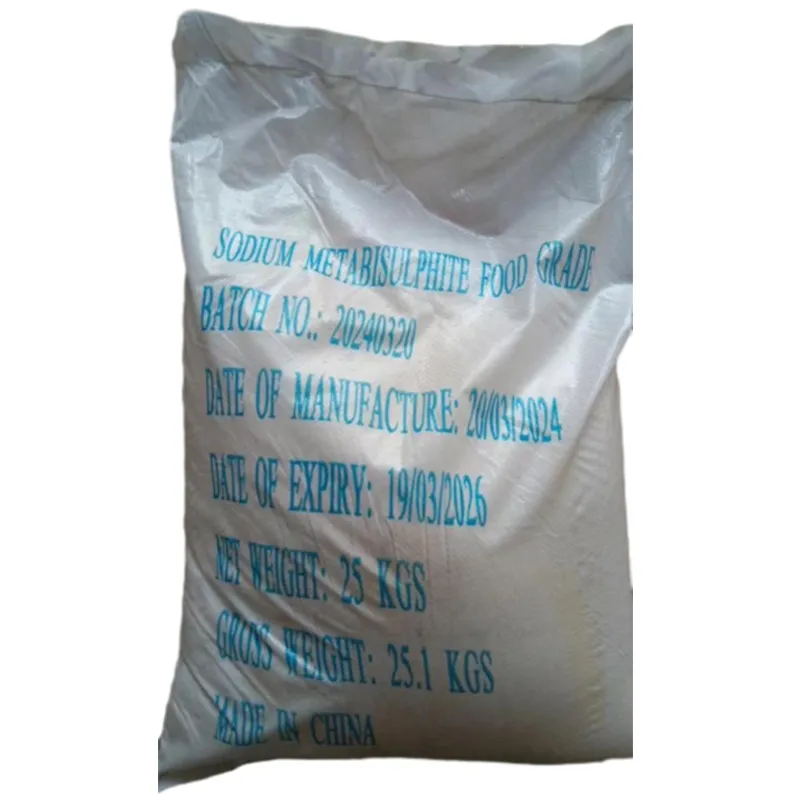
MSG is widely utilized in the food industry due to its versatility and effectiveness. It can be found in various products, including savory snacks, instant noodles, canned vegetables, and commercial sauces. Many chefs and home cooks also use MSG to elevate homemade dishes, particularly in soups and stews, where it can bring out the flavors of other ingredients.
In the restaurant industry, MSG has become synonymous with creating profound taste experiences. However, its use can vary greatly depending on regional culinary traditions. While many Asian cuisines widely accept MSG, Western acceptance has been more polarized, often influenced by cultural perceptions and dietary trends.
The Controversy Surrounding MSG
Despite its widespread usage, MSG has faced significant scrutiny over the years. The controversy began in the late 1960s when reports emerged regarding an alleged condition called Chinese Restaurant Syndrome (CRS), which claimed to cause various symptoms in individuals after consuming MSG-heavy meals. Symptoms purportedly included headaches, sweating, and chest pain.
However, numerous scientific studies have since been conducted to investigate the health implications of MSG. The consensus among health organizations, including the FDA and the WHO, is that MSG is generally recognized as safe when consumed within normal dietary levels. These studies have consistently shown that while some individuals may have sensitivity to MSG, the vast majority of the population can consume it without adverse effects.
Conclusion
In conclusion, monosodium glutamate serves as a prominent flavor enhancer that has influenced cooking practices around the globe. Its ability to enrich umami flavors makes it a valuable tool in both professional kitchens and home cooking. While the debate regarding its safety continues, scientific evidence supports its use in moderation. For many, MSG represents an opportunity to enjoy heightened flavors in their meals without increasing sodium content significantly.
As with any food additive, awareness and understanding are essential. For those who may experience sensitivity to MSG, it is always best to read labels carefully and consider individual dietary needs. Ultimately, MSG remains an integral part of culinary traditions, offering a flavor boost that many cooks and consumers appreciate.
-
How to Choose Dimethyl Disulfide DMDS for Industrial UseNewsNov.09,2026
-
Aspartame Buyer FAQ: Sweetness, Specifications and ApplicationsNewsNov.02,2026
-
Aluminum Hydroxide FAQ: Specifications, Ordering and Support QuestionsNewsOct.28,2026
-
Improve Crop Yield with Premium Calcium Boron FertilizerNewsJul.01,2026
-
Ultimate Guide to Cal Mag Fertilizer for Boosting Plant HealthNewsJun.29,2026
-
Maximize Crop Recovery Using High Performance Bounce Back FertilizerNewsJun.27,2026
-
Maximize Crop Yields and Soil Health with Biozyme FertilizerNewsJun.26,2026
Hebei Tenger Chemical Technology Co., Ltd. focuses on the chemical industry and is committed to the export service of chemical raw materials.
-

view more Tplyltriazole(TTA)Tplyltriazole is a powerful and versatile corrosion inhibitor,it is a white particle or powder that is easily hygroscopic and can be processed into large, small, columnar, fine, or powdered shapes.It is a highly effective solution for preventing rust and corrosion on a variety of metal surfaces, making it an ideal choice for a wide range of applications. -

view more Formic AcidFormic acid, is a colorless, pungent-smelling liquid.With its unique properties and diverse applications that serves a wide range of industrial and commercial applications. -

view more Aluminum HydroxideAluminum Hydroxide, a versatile and essential product for a wide range of applications.This product is a white, amorphous powder that is insoluble in water and has a variety of uses in industries such as pharmaceuticals, cosmetics, and manufacturing.