





food additive 330
Understanding Food Additive E330 Citric Acid
Food additives play an essential role in modern food processing, enhancing flavors, preserving freshness, improving texture, and ensuring safety. One of the most common food additives in the industry is E330, known as citric acid. Derived from citrus fruits, citric acid is fundamentally a natural organic compound that has been used for centuries in culinary practices and food preservation. However, its applications extend far beyond the kitchen, impacting various sectors, including food manufacturing and pharmaceuticals.
Understanding Food Additive E330 Citric Acid
The versatility of citric acid is also evident in its role as a pH regulator. In many food products, the pH level is critical not only for flavor but also for texture and microbiological stability. By adjusting the pH, citric acid can enhance the effectiveness of preservatives, improve the solubility of certain ingredients, and influence the overall taste profile. This characteristic is particularly beneficial in dairy products, where controlling acidity can help achieve the desired texture and flavor.
food additive 330
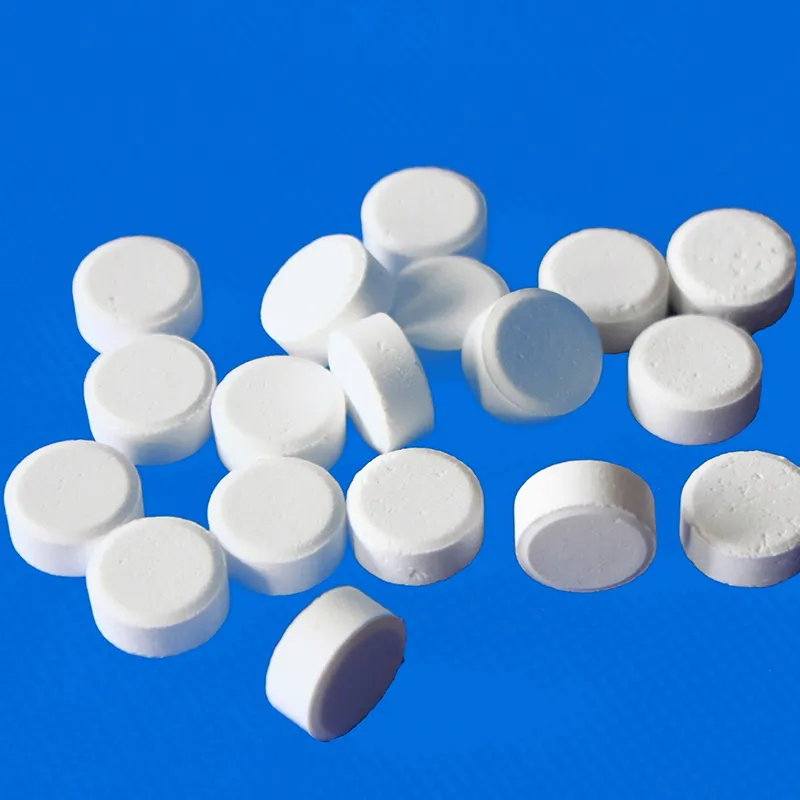
In addition to its culinary applications, citric acid is widely used in the pharmaceutical industry. It serves as a chelating agent, helping to stabilize formulations by binding to metal ions that may cause degradation. Citric acid is also found in effervescent tablets, where it reacts with bicarbonates to produce carbon dioxide, creating a fizzy effect that enhances the user experience. Moreover, its safety profile makes it a preferred choice for various medical products, where consumer health is a priority.
Despite its numerous benefits, there are a few considerations when using citric acid as a food additive. It is generally recognized as safe (GRAS) by food safety authorities, including the U.S. Food and Drug Administration (FDA) and the European Food Safety Authority (EFSA). However, excessive consumption can lead to gastric discomfort or allergic reactions in sensitive individuals. Therefore, it is crucial for manufacturers to use citric acid within recommended limits to ensure consumer safety.
The environmental impact of citric acid production is also a topic of growing interest. As a biodegradable compound, citric acid is generally more environmentally friendly than many synthetic additives. The primary method of production involves fermentation processes using molds, such as Aspergillus niger. This sustainable approach not only reduces environmental footprints but also leverages agricultural byproducts, further promoting eco-friendly practices in food production.
In conclusion, E330, or citric acid, exemplifies the multifaceted role of food additives in enhancing the quality and safety of our food supply. Its natural origins, coupled with its vast applications in food and pharmaceuticals, position it as a critical component in modern food technology. As consumers become increasingly aware of ingredient transparency and the benefits of natural additives, citric acid stands out as a favored choice for both manufacturers and health-conscious individuals. The continued exploration of citric acid's potential, along with responsible usage practices, will undoubtedly contribute to healthier, more flavorful food products in the future. As we move forward, maintaining a balance between consumer expectations and safety regulations will be vital to ensure that citric acid and other food additives remain a beneficial part of our culinary landscape.
-
How to Choose Dimethyl Disulfide DMDS for Industrial UseNewsNov.09,2026
-
Aspartame Buyer FAQ: Sweetness, Specifications and ApplicationsNewsNov.02,2026
-
Aluminum Hydroxide FAQ: Specifications, Ordering and Support QuestionsNewsOct.28,2026
-
Improve Crop Yield with Premium Calcium Boron FertilizerNewsJul.01,2026
-
Ultimate Guide to Cal Mag Fertilizer for Boosting Plant HealthNewsJun.29,2026
-
Maximize Crop Recovery Using High Performance Bounce Back FertilizerNewsJun.27,2026
-
Maximize Crop Yields and Soil Health with Biozyme FertilizerNewsJun.26,2026
Hebei Tenger Chemical Technology Co., Ltd. focuses on the chemical industry and is committed to the export service of chemical raw materials.
-

view more Tplyltriazole(TTA)Tplyltriazole is a powerful and versatile corrosion inhibitor,it is a white particle or powder that is easily hygroscopic and can be processed into large, small, columnar, fine, or powdered shapes.It is a highly effective solution for preventing rust and corrosion on a variety of metal surfaces, making it an ideal choice for a wide range of applications. -

view more Formic AcidFormic acid, is a colorless, pungent-smelling liquid.With its unique properties and diverse applications that serves a wide range of industrial and commercial applications. -

view more Aluminum HydroxideAluminum Hydroxide, a versatile and essential product for a wide range of applications.This product is a white, amorphous powder that is insoluble in water and has a variety of uses in industries such as pharmaceuticals, cosmetics, and manufacturing.