





Understanding Food Additive E330 and Its Impact on Food Preservation and Quality
Understanding Food Additive E330 Citric Acid
In the vast world of food additives, E330, commonly known as citric acid, stands out as one of the most widely used and versatile substances. This naturally occurring organic acid is primarily found in citrus fruits, like lemons and oranges, and serves a multitude of functions in our food supply. From enhancing flavor to acting as a preservative, citric acid plays an essential role in the food industry, as well as in various household products.
What is Citric Acid?
Citric acid is a weak organic acid that was first isolated from lemon juice in the 18th century. In its pure form, it appears as a white crystalline powder with a sour taste. Although it can be produced synthetically via fermentation processes, most food-grade citric acid is derived from natural sources, making it a safer and more appealing choice for consumers concerned about food safety and utilization of natural ingredients.
Functions of Citric Acid in Food
1. Flavor Enhancer One of the primary uses of citric acid in food products is as a flavor enhancer. Its tart flavor can brighten flavors in beverages, candies, and desserts. The addition of citric acid can make food taste fresher and more vibrant.
2. Preservative Citric acid is also a powerful preservative. It helps to prevent spoilage by lowering the pH of food, creating an environment that is inhospitable for bacteria and mold. This property is particularly valuable in products like canned goods, sauces, and dressings, as it extends shelf life and maintains quality.
3. Antioxidant As an antioxidant, citric acid helps to inhibit the oxidation of food products. This is vital in preventing discoloration and maintaining the nutritional quality of food items such as fruits and vegetables, where it can help to preserve the appearance and nutritional value.
food additive 330
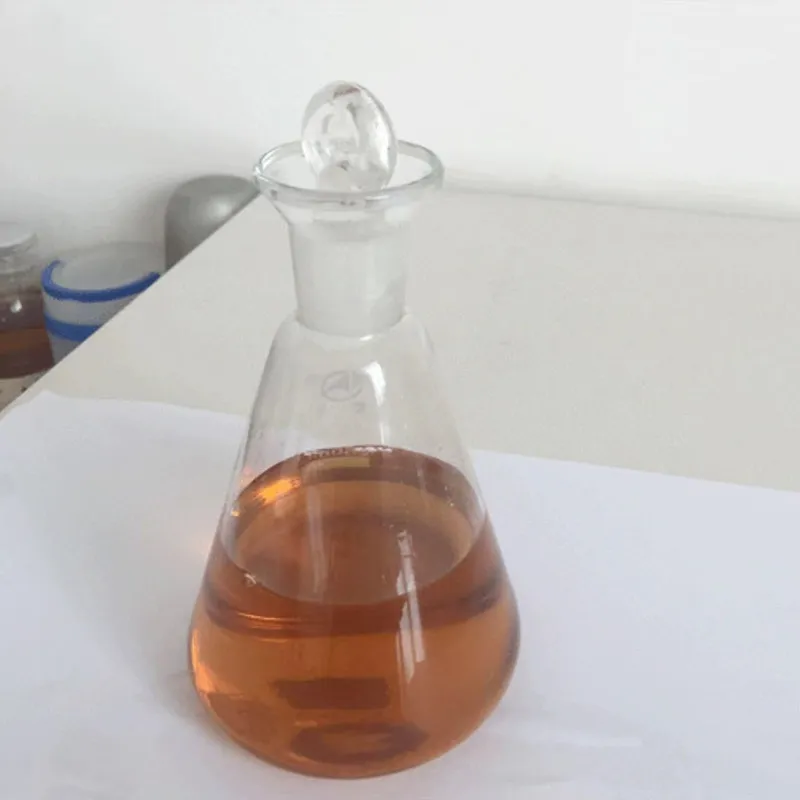
4. pH Control Citric acid is widely used to adjust the acidity levels in various food and drink products. By controlling the pH, manufacturers can create a more desirable taste and texture, ensuring that products meet regulatory standards.
5. Chelating Agent Citric acid can bind to metal ions in food, which assists in stabilizing flavors and colors while preventing the development of off-flavors.
Safety and Regulation
Citric acid is recognized as safe by numerous health authorities, including the Food and Drug Administration (FDA) in the United States and the European Food Safety Authority (EFSA). Its Generally Recognized As Safe (GRAS) status allows it to be used in a variety of food applications without significant health concerns. However, as with any additive, it is essential to consume it within recommended limits.
Beyond the Food Industry
While citric acid's primary applications are found in the culinary realm, its versatility extends into other sectors as well. It is commonly used in cleaning products due to its ability to dissolve mineral deposits, grease, and grime. Citric acid also finds applications in cosmetics, pharmaceuticals, and even in the production of biodegradable plastics.
Conclusion
Citric acid, or E330, is more than just a food additive; it is a multipurpose ingredient that enhances, preserves, and optimizes food products while also serving a critical role in various industries outside of food production. Its natural origins and wide-ranging applications make it a staple ingredient in kitchens and manufacturing plants alike. As consumers increasingly seek transparency and safety in their food choices, citric acid stands out as a trusted option that combines functionality with natural appeal. Understanding the role of citric acid can help consumers make informed choices about the products they consume and appreciate the science behind food preservation and enhancement.
-
How to Choose Dimethyl Disulfide DMDS for Industrial UseNewsNov.09,2026
-
Aspartame Buyer FAQ: Sweetness, Specifications and ApplicationsNewsNov.02,2026
-
Aluminum Hydroxide FAQ: Specifications, Ordering and Support QuestionsNewsOct.28,2026
-
Improve Crop Yield with Premium Calcium Boron FertilizerNewsJul.01,2026
-
Ultimate Guide to Cal Mag Fertilizer for Boosting Plant HealthNewsJun.29,2026
-
Maximize Crop Recovery Using High Performance Bounce Back FertilizerNewsJun.27,2026
-
Maximize Crop Yields and Soil Health with Biozyme FertilizerNewsJun.26,2026
Hebei Tenger Chemical Technology Co., Ltd. focuses on the chemical industry and is committed to the export service of chemical raw materials.
-

view more Tplyltriazole(TTA)Tplyltriazole is a powerful and versatile corrosion inhibitor,it is a white particle or powder that is easily hygroscopic and can be processed into large, small, columnar, fine, or powdered shapes.It is a highly effective solution for preventing rust and corrosion on a variety of metal surfaces, making it an ideal choice for a wide range of applications. -

view more Formic AcidFormic acid, is a colorless, pungent-smelling liquid.With its unique properties and diverse applications that serves a wide range of industrial and commercial applications. -

view more Aluminum HydroxideAluminum Hydroxide, a versatile and essential product for a wide range of applications.This product is a white, amorphous powder that is insoluble in water and has a variety of uses in industries such as pharmaceuticals, cosmetics, and manufacturing.