




food additives china
Food Additives in China Trends, Regulations, and Concerns
Food additives have been an integral part of the food industry for decades, serving various purposes such as preservation, flavor enhancement, and appearance improvement. In China, the use of food additives has grown substantially alongside the rapid growth of the food industry. This article explores the trends, regulations, and concerns related to food additives in China, reflecting on their impact on public health and safety.
Trends in Food Additives Use
The Chinese food market has undergone significant transformations in recent years. With the increasing urbanization and growing middle class, the demand for processed and packaged foods has skyrocketed. As a result, the food industry has seen an uptick in the use of additives. According to industry reports, the Asian food additives market is projected to continue its robust growth, with China being a major contributor to this trend.
Common food additives used in China include preservatives, colorants, flavor enhancers, and emulsifiers. For instance, sodium benzoate and potassium sorbate are frequently employed as preservatives to prolong shelf life, while monosodium glutamate (MSG) remains popular for flavor enhancement. Moreover, the demand for natural food additives has surged, driven by an increasing consumer preference for healthier and cleaner label products. Natural alternatives such as plant extracts, essential oils, and fermentation-based ingredients are gaining traction as consumers become more health-conscious.
Regulations Governing Food Additives
The regulation of food additives in China is primarily governed by the National Health Commission (NHC) and the China Food and Drug Administration (CFDA). The country has established a comprehensive regulatory framework that specifies which additives are permitted, their acceptable limits, and labeling requirements.
The list of approved food additives is regularly updated, with stringent testing and evaluation processes to ensure their safety. The Standard for the Use of Food Additives (GB 2760) provides clear guidelines for manufacturers, outlining safe usage levels and the purposes for which each additive may be used. Additionally, food labeling regulations stipulate that all food products must clearly indicate the presence of any additives, allowing consumers to make informed choices.
food additives china
However, despite these regulatory frameworks, enforcement can sometimes be inconsistent, leading to concerns about the safety of certain additives. The prevalence of counterfeit and substandard products poses additional risks, necessitating continuous monitoring and stringent enforcement of food safety laws.
Public Concerns and Health Implications
As food additives become more ubiquitous in the Chinese food supply, public concerns regarding their safety have intensified. Reports linking certain additives to adverse health effects have fueled skepticism among consumers. For example, there has been ongoing debate over the safety of artificial colorants and flavor enhancers, with studies suggesting potential links to hyperactivity in children and other health issues.
Furthermore, the use of preservatives has raised questions about long-term health effects. While additives like sodium nitrite are effective in preventing spoilage and enhancing flavor in products like cured meats, there is growing apprehension over their potential carcinogenic properties. As a result, organizations and health advocates are urging consumers to be more vigilant and choose products with minimal or no additives.
In response to these concerns, the Chinese government is actively promoting food safety education and encouraging the industry to adopt safer practices. The rise of organic and preservative-free products reflects a shift towards healthier options, as consumers seek transparency in food sourcing and manufacturing.
Conclusion
Food additives play a significant role in the modern Chinese food landscape, enabling the industry to cater to the escalating demand for processed foods. While regulations are in place to ensure the safety of these substances, ongoing vigilance and enforcement are essential to protect consumer health. As public awareness of food safety issues continues to rise, it is likely that we will see further changes in consumer preferences and regulatory practices. The challenge remains for the industry to balance the benefits of food additives with the need for transparency and safety, ultimately ensuring that the food supply is both safe and nutritious for the population.
-
The Essential Guide to Sorbates as Food Preservatives for SafetyNewsApr.16,2026
-
The Ultimate Guide to Sorbate Preservative in Modern IndustryNewsApr.09,2026
-
Comprehensive Guide to Sodium Stearoyl Lactylate Emulsifier Applications and BenefitsNewsApr.07,2026
-
Comprehensive Guide to Sodium Cyclamate Sweetener Properties and ApplicationsNewsApr.04,2026
-
Comprehensive Guide to Sodium Citrate Food Additive and Its ApplicationsNewsMar.31,2026
-
Comprehensive Guide to Sodium Bicarbonate Food Additive Applications and BenefitsNewsMar.28,2026
-
Understanding Sodium Benzoate Preservative in Cosmetics and Its ApplicationsNewsMar.26,2026
Hebei Tenger Chemical Technology Co., Ltd. focuses on the chemical industry and is committed to the export service of chemical raw materials.
-
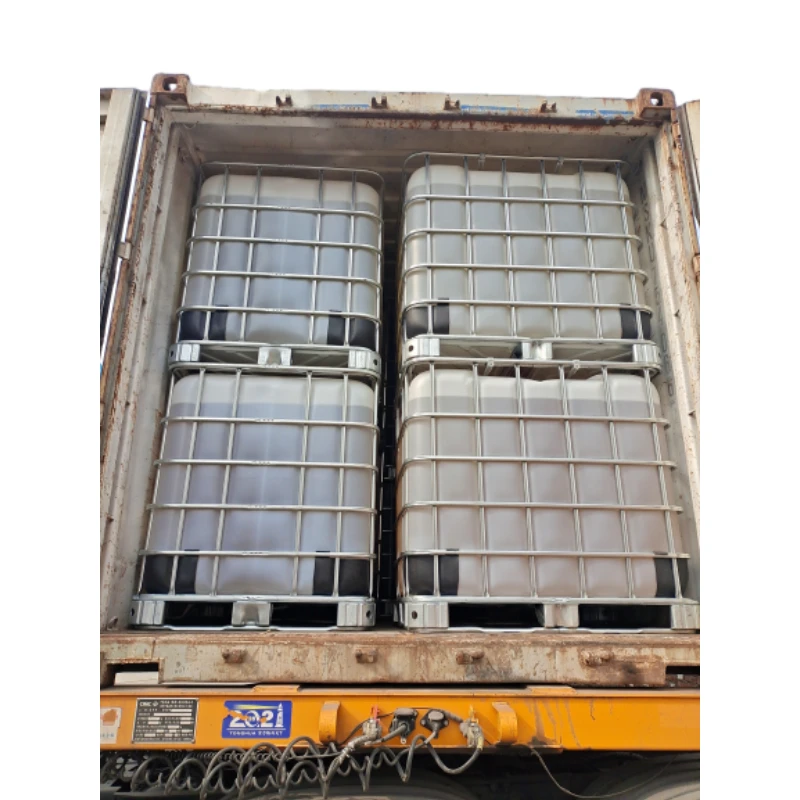
view more DiethanolisopropanolamineIn the ever-growing field of chemical solutions, diethanolisopropanolamine (DEIPA) stands out as a versatile and important compound. Due to its unique chemical structure and properties, DEIPA is of interest to various industries including construction, personal care, and agriculture. -
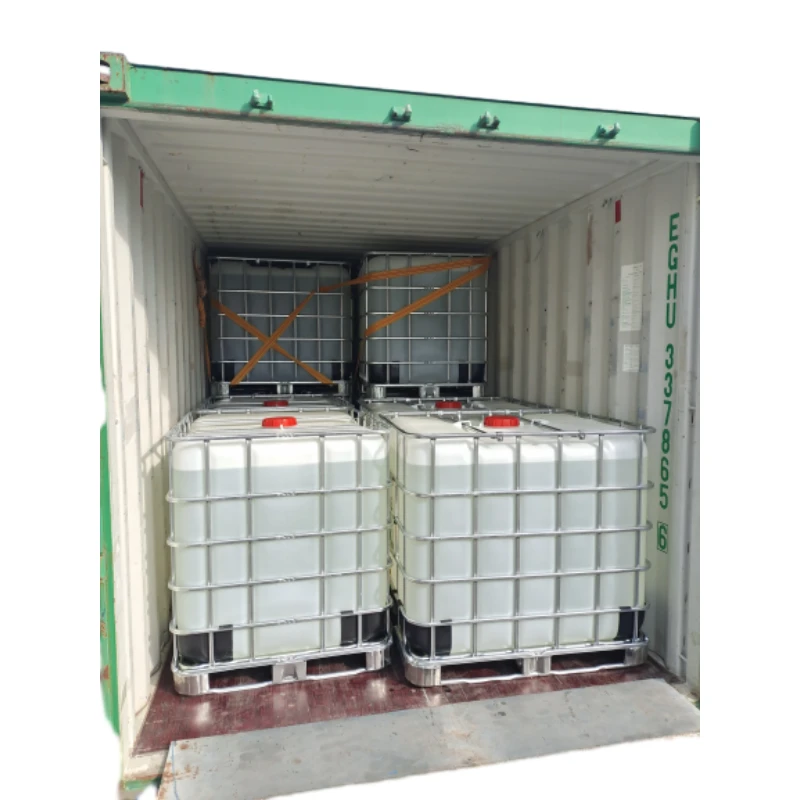
view more TriisopropanolamineTriisopropanolamine (TIPA) alkanol amine substance, is a kind of alcohol amine compound with amino and alcohol hydroxyl, and because of its molecules contains both amino and hydroxyl. -
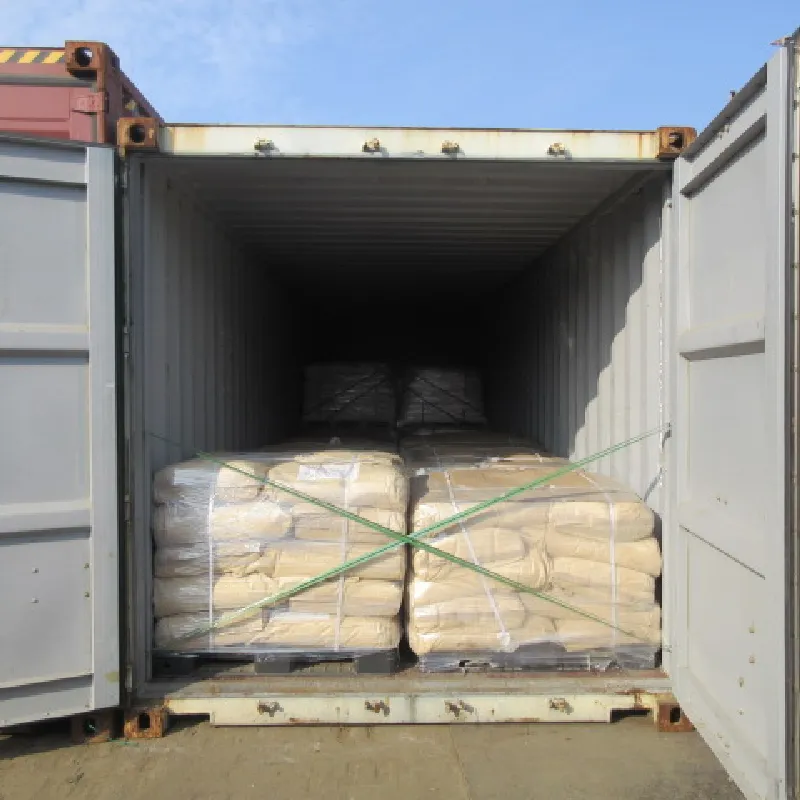
view more Tetramethyl Thiuram DisulfideTetramethyl thiuram disulfide, also known as TMTD, is a white to light-yellow powder with a distinct sulfur-like odor. It is soluble in organic solvents such as benzene, acetone, and ethyl acetate, making it highly versatile for use in different formulations. TMTD is known for its excellent vulcanization acceleration properties, which makes it a key ingredient in the production of rubber products. Additionally, it acts as an effective fungicide and bactericide, making it valuable in agricultural applications. Its high purity and stability ensure consistent performance, making it a preferred choice for manufacturers across various industries.