





food additives used in bakery products
The Role of Food Additives in Bakery Products
In the world of baked goods, the texture, flavor, and shelf life of products can significantly influence consumer preference and satisfaction. To achieve these desirable qualities, the food industry often relies on a myriad of food additives. These substances, while sometimes criticized, play an essential role in modern baking, ensuring that products meet the standards consumers expect.
1. Types of Food Additives in Bakery Products
Food additives in bakery items can primarily be categorized into several classes based on their functions. The most common types include
- Leavening Agents These substances, such as baking powder and baking soda, are crucial for the leavening process in baked goods. They produce carbon dioxide when they react with moisture and heat, causing the dough to rise. This creates the light and airy texture desired in products like cakes and breads.
- Preservatives To extend the shelf life of bakery products, preservatives such as calcium propionate or sodium benzoate are often added. These additives inhibit microbial growth, helping to keep breads and pastries fresh for longer periods, essential in a market that values convenience.
- Emulsifiers Ingredients like lecithin or mono- and diglycerides function as emulsifiers, which help blend ingredients that usually do not mix well, such as oil and water. This results in a smoother texture and improved volume in products like muffins and cakes.
- Flavor Enhancers To boost or enhance the natural flavors of baked goods, bakers may use food additives like maltodextrin or concentrated flavors. This can ensure consistency in taste, particularly important for mass-produced items.
- Color Additives Natural or artificial colorings are employed to make bakery items visually appealing. Ingredients like annatto or caramel color can enhance the appearance of bread, cookies, and cakes, making them more enticing to consumers.
2. Benefits of Using Food Additives
food additives used in bakery products
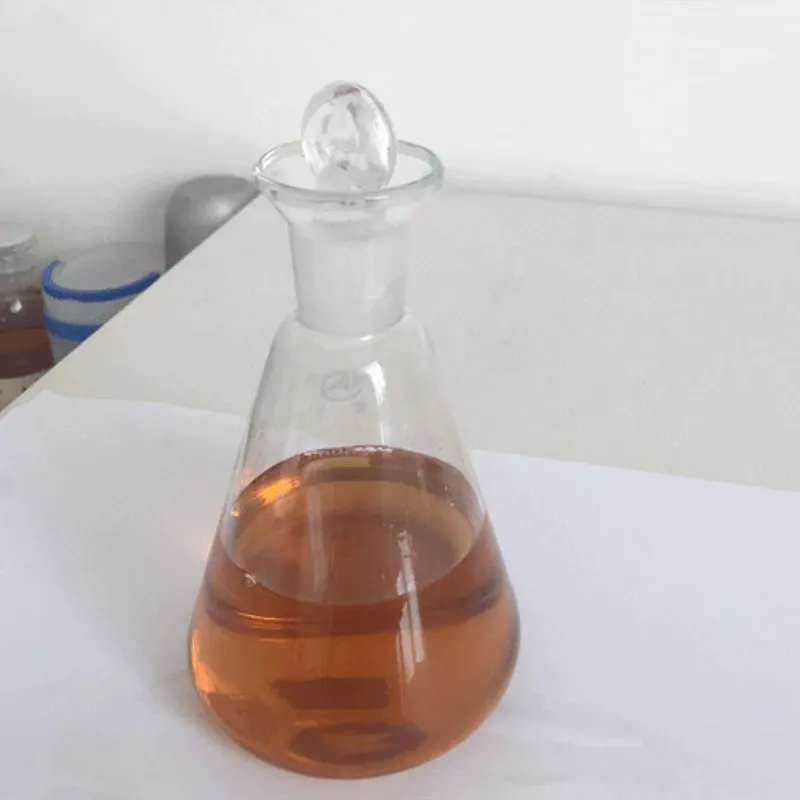
The incorporation of additives in baked goods offers numerous advantages that can enhance both the product and the consumer experience. Some benefits include
- Consistency Additives help maintain consistent quality across batches. This is particularly vital for commercial bakers who must ensure that each product meets specific standards.
- Texture and Moisture Retention Various additives contribute to the texture and moisture of baked goods. For example, dough conditioners can improve the elasticity and strength of dough, leading to better bread quality.
- Flavor Stability Through the use of flavor enhancers and preservatives, bakers can ensure flavors remain stable over time, allowing for prolonged shelf life without sacrificing taste.
- Nutritional Value Some additives, such as vitamins and minerals, can fortify baked goods, enhancing their nutritional profile. For instance, adding iron or folic acid to bread can help address dietary deficiencies.
3. Consumer Perception and Trends
While food additives play a critical role in the baking industry, consumer perception varies. With a growing trend towards clean labels and natural ingredients, many consumers are becoming increasingly wary of synthetic additives. They tend to prefer products that are free from artificial substances and are more inclined to choose items marketed as “natural” or “organic.”
This has prompted many bakers to explore cleaner alternatives. Natural leavening agents, plant-based emulsifiers, and organic preservatives are becoming more prevalent in response to these consumer preferences. Transparency in ingredient sourcing and processing also plays a vital role in shaping consumer trust.
4. Conclusion
Food additives are a fundamental aspect of modern bakery products, contributing to their quality, safety, and appeal. As the baking industry continues to evolve, balancing the use of additives with consumer demands for natural and minimally processed ingredients will be vital. By understanding the role of these substances, consumers can make informed choices while enjoying the diverse array of baked goods available in the market today. The future of baking lies in innovation, creativity, and a commitment to quality—whether through traditional methods or the thoughtful use of food additives.
-
How to Choose Dimethyl Disulfide DMDS for Industrial UseNewsNov.09,2026
-
Aspartame Buyer FAQ: Sweetness, Specifications and ApplicationsNewsNov.02,2026
-
Aluminum Hydroxide FAQ: Specifications, Ordering and Support QuestionsNewsOct.28,2026
-
Improve Crop Yield with Premium Calcium Boron FertilizerNewsJul.01,2026
-
Ultimate Guide to Cal Mag Fertilizer for Boosting Plant HealthNewsJun.29,2026
-
Maximize Crop Recovery Using High Performance Bounce Back FertilizerNewsJun.27,2026
-
Maximize Crop Yields and Soil Health with Biozyme FertilizerNewsJun.26,2026
Hebei Tenger Chemical Technology Co., Ltd. focuses on the chemical industry and is committed to the export service of chemical raw materials.
-

view more Tplyltriazole(TTA)Tplyltriazole is a powerful and versatile corrosion inhibitor,it is a white particle or powder that is easily hygroscopic and can be processed into large, small, columnar, fine, or powdered shapes.It is a highly effective solution for preventing rust and corrosion on a variety of metal surfaces, making it an ideal choice for a wide range of applications. -

view more Formic AcidFormic acid, is a colorless, pungent-smelling liquid.With its unique properties and diverse applications that serves a wide range of industrial and commercial applications. -

view more Aluminum HydroxideAluminum Hydroxide, a versatile and essential product for a wide range of applications.This product is a white, amorphous powder that is insoluble in water and has a variety of uses in industries such as pharmaceuticals, cosmetics, and manufacturing.