





Synthesis of Formic Acid through Methanol Conversion Process
The Production of Formic Acid from Methanol A Sustainable Chemical Pathway
The increasing demand for sustainable and renewable chemicals has fostered immense interest in efficient production methods for various organic compounds. One compound of particular significance is formic acid, known for its utility in a wide array of applications ranging from agriculture to pharmaceuticals. A promising avenue for synthesizing formic acid is through the utilization of methanol, a simple alcohol that is abundant and cost-effective. This article explores the methodologies for converting methanol into formic acid, emphasizing the importance of this process in the context of sustainable chemistry.
Formic acid (HCOOH), the simplest carboxylic acid, plays a vital role in different sectors. In agriculture, it is used as a preservative and antibacterial agent in animal feed. The textile and leather industries utilize it for dyeing and tanning processes, while the pharmaceutical sector finds its use in drug synthesis and as a building block in the manufacture of various chemical intermediates. Given its vast applications, developing an efficient synthesis route is crucial.
The conversion of methanol to formic acid can be achieved through several methods, with one of the most promising being the carbonylation process. In this method, methanol is reacted with carbon monoxide under specific catalytic conditions. Metal catalysts such as palladium, copper, or rhodium are often employed to facilitate this reaction and improve yields. Carbonylation generally occurs under elevated temperatures and pressures, allowing for the formation of formic acid from methanol, carbon monoxide, and water
\[ \text{CH}_3\text{OH} + \text{CO} \rightarrow \text{HCOOH} + \text{H}_2\text{O} \]
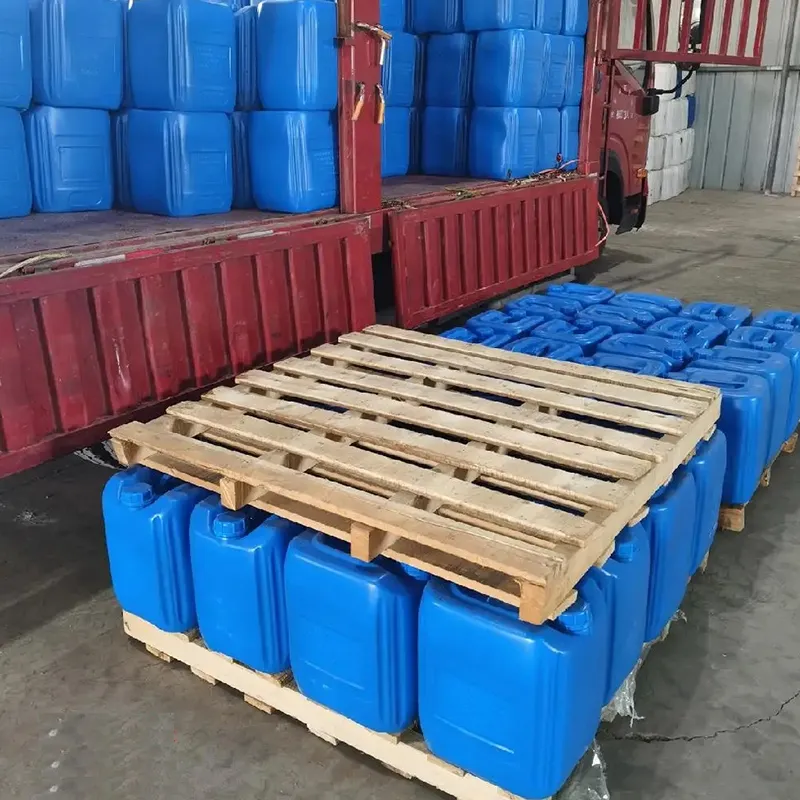
formic acid from methanol
Another method of producing formic acid from methanol involves redox reactions, where methanol can serve as a reducing agent. In this approach, methanol is oxidized to formaldehyde (HCHO) using oxidizing agents, followed by the hydration of formaldehyde to produce formic acid. This multi-step process can be efficient, but it requires careful control of reaction conditions to optimize yields.
The environmental benefits of producing formic acid from methanol cannot be overstated. Methanol can be derived from renewable resources, including biomass and waste materials, making it a sustainable feedstock. Hence, this approach not only helps in reducing the carbon footprint associated with formic acid production but also contributes to the circular economy by promoting the use of waste materials.
Additionally, advancements in catalyst design and reaction optimization can significantly enhance the economic viability of methanol-to-formic acid processes. Research into heterogeneous catalysts that can operate under milder conditions and be easily separated from reaction mixtures is ongoing. Such innovations could lead to more efficient manufacturing processes, decreasing energy consumption and overall production costs.
Furthermore, the integration of renewable energy sources into the production process could further mitigate the environmental impact. For example, employing solar energy or wind power in the reaction setup can facilitate a greener pathway for synthesis, cementing the role of formic acid in the transition to a sustainable chemical industry.
In conclusion, the conversion of methanol to formic acid offers a compelling perspective on sustainable chemical production. By utilizing a readily available and renewable feedstock, this method aligns with the shifting paradigm towards greener practices in the chemical industry. Continued research and development are critical for optimizing these processes, ensuring that formic acid remains a vital compound in various applications while contributing to environmental sustainability. As the world moves towards more sustainable practices, the methanol to formic acid pathway could play a foundational role in a more sustainable future for chemical manufacturing.
-
Aspartame Buyer FAQ: Sweetness, Specifications and ApplicationsNewsNov.02,2026
-
Aluminum Hydroxide FAQ: Specifications, Ordering and Support QuestionsNewsOct.28,2026
-
Improve Crop Yield with Premium Calcium Boron FertilizerNewsJul.01,2026
-
Ultimate Guide to Cal Mag Fertilizer for Boosting Plant HealthNewsJun.29,2026
-
Maximize Crop Recovery Using High Performance Bounce Back FertilizerNewsJun.27,2026
-
Maximize Crop Yields and Soil Health with Biozyme FertilizerNewsJun.26,2026
-
Sustainable Agriculture Guide using bio organic fertilizerNewsJun.25,2026
Hebei Tenger Chemical Technology Co., Ltd. focuses on the chemical industry and is committed to the export service of chemical raw materials.
-

view more Tplyltriazole(TTA)Tplyltriazole is a powerful and versatile corrosion inhibitor,it is a white particle or powder that is easily hygroscopic and can be processed into large, small, columnar, fine, or powdered shapes.It is a highly effective solution for preventing rust and corrosion on a variety of metal surfaces, making it an ideal choice for a wide range of applications. -

view more Formic AcidFormic acid, is a colorless, pungent-smelling liquid.With its unique properties and diverse applications that serves a wide range of industrial and commercial applications. -

view more Aluminum HydroxideAluminum Hydroxide, a versatile and essential product for a wide range of applications.This product is a white, amorphous powder that is insoluble in water and has a variety of uses in industries such as pharmaceuticals, cosmetics, and manufacturing.