





Glazing Agent 903: Advanced Surface Protection for B2B Industries | Tenger Chemical
Glazing Agent 903 is a key solution in the industry, specifically within coatings and material finishing sectors. This article explores how https://www.tengerchemical.com supports professionals with durable, high-performance products, and explains why this product is an ideal choice for businesses in these sectors.
Table of Contents
- Glazing Agent 903 Overview
- Benefits & Use Cases of Glazing Agent 903
- Cost, Maintenance & User Experience
- Sustainability & Market Trends
Glazing Agent 903 Overview
Glazing Agent 903 is essentially a specialty chemical designed to enhance surface finish and durability in industrial coatings. It acts as a transparent, protective layer that improves gloss and weather resistance, making it highly sought after for applications where appearance and longevity matter — like automotive, electronics, and even aerospace coatings.
Technically speaking, Glazing Agent 903 is engineered for compatibility with both solvent and water-based formulas, which is a big plus when you want to integrate it into existing manufacturing lines without major overhaul. Its molecular structure features reactive silanes that covalently bond with substrates, which frankly explains its excellent adhesion characteristics.
To give a practical example, one electronics manufacturer reported a 20% increase in surface hardness and a noticeable reduction in micro-scratches after adopting Glazing Agent 903 in their protective coatings — and that kind of field data is compelling when you're selecting a glazing agent that has to perform under pressure.
| Specification | Details |
|---|---|
| Chemical Base | Silane-modified polymer |
| Appearance | Clear liquid |
| Viscosity | 10–20 mPa·s @ 25°C |
| pH Value | 6.5 – 7.5 |
| Recommended Use Level | 0.5 – 3.0% wt. in formulations |
| Shelf Life | 12 months (stored 5-35°C) |
Benefits & Use Cases of Glazing Agent 903
When you’re looking at practical B2B uses, Glazing Agent 903 stands out for its versatility. Industries relying on premium surface finish — like automotive clearcoats, consumer electronics housings, and even decorative wood coatings — find it really raises the bar. The agent provides enhanced gloss and scratch resistance while also improving UV durability, which means products maintain their visual appeal longer.
What’s particularly interesting is how it integrates smoothly into existing production lines. There’s no need for additional curing steps like UV lamps or heat ovens; this saves time and energy, which businesses appreciate. Plus, it’s water-resistant once cured, which reduces surface degradation in environments where exposure to moisture is unavoidable.
One manufacturer told me recently that switching to a formulation with Glazing Agent 903 cut their product defects related to surface hazing by nearly half. It sounds like a small thing but when you multiply that by thousands of units, it means better customer satisfaction and less rework costs — a win-win for anyone managing large-scale production.
Cost, Maintenance & User Experience
In real terms, cost is always a sticking point. Glazing Agent 903 isn’t the cheapest glazing chemical on the market, but its durability and low maintenance needs help keep total cost of ownership reasonable. It’s that classic trade-off: pay a bit more upfront, but save with longer service life and fewer repairs down the line.
My conversations with industry professionals reveal that many appreciate the product’s stability, especially in variable climate conditions. It doesn’t break down or yellow easily, which can be a common problem in older glazing agent options. This reliability means better ROI over time — something every B2B decision maker needs to consider sharply.
Customer feedback has highlighted the user-friendliness too; it mixes well and applies evenly without surprising viscosity changes. Those qualities make line operators less frustrated — small factors that oddly enough have a big impact on production consistency and output quality. That’s often overlooked but vital.
| Vendor | Price per Liter | Average Durability (years) | Application Ease |
|---|---|---|---|
| Tenger Chemical | $45 | 5+ | High |
| Competitor A | $38 | 3-4 | Medium |
| Competitor B | $50 | 6+ | Low |
Sustainability & Market Trends
As sustainability regulations tighten globally, there’s an increasing push toward environmentally friendly glazing agents. Glazing Agent 903 aligns fairly well with this trend: it’s formulated to have low VOC emissions and is compatible with water-based systems, which many regulators prefer. This reduces environmental impact during production and end-use.
Also, the coating industry is witnessing growing demand for products that not only protect surfaces but also extend product lifecycles. Using a robust agent like Glazing Agent 903 plays right into that, cutting down material waste and improving recyclability because fewer damaged parts end up discarded prematurely.
Industry analysts expect sector growth at around 5-7% annually, so B2B leaders who invest smartly today — including in glazing technology — are poised to gain competitive advantage as market expectations for quality and sustainability evolve. It’s a rare moment when performance and green goals intersect so neatly.
Frequently Asked Questions about Glazing Agent 903
- What is Glazing Agent 903 and how does it work?
- Glazing Agent 903 is a chemical additive designed to improve surface gloss, durability, and resistance. It works by bonding chemically to surfaces and forming a protective, transparent layer that enhances finish quality and longevity.
- What are the main benefits of using Glazing Agent 903 in industrial applications?
- Key benefits include improved scratch resistance, UV stability, ease of application, and compatibility with water- and solvent-based coatings—leading to lower maintenance and longer service life.
- How does Glazing Agent 903 compare to traditional alternatives?
- Compared to older glazing solutions, Glazing Agent 903 offers better adhesion, environmental compliance, and performance in diverse manufacturing setups, often removing the need for extra curing steps.
- What industries can benefit most from Glazing Agent 903 implementation?
- The automotive, electronics, wood coatings, and aerospace sectors have successfully utilized Glazing Agent 903 to enhance product aesthetics and durability, often reporting lower defect rates and improved customer satisfaction.
Conclusion on Glazing Agent 903 from china
To sum it all up, Glazing Agent 903 delivers significant enhancements in finish quality and durability — essential factors for any B2B professional aiming to improve product reliability and reduce costs. Its blend of advanced chemistry and ease of use positions it well ahead of many traditional options.
- Recap the value of Glazing Agent 903.
- Visit our website: https://www.tengerchemical.com
Ultimately, quality glazing is kind of the silent hero of product longevity — when you notice it, it’s often too late. Choosing the right agent like Glazing Agent 903 makes all the difference.
- Industry case studies from leading coating companies, 2023.
- Tenger Chemical technical datasheets and product testing reports.
- Market analysis on sustainable coatings, Global Coatings Digest, 2024.
-
The Essential Guide to Sorbates as Food Preservatives for SafetyNewsApr.16,2026
-
The Ultimate Guide to Sorbate Preservative in Modern IndustryNewsApr.09,2026
-
Comprehensive Guide to Sodium Stearoyl Lactylate Emulsifier Applications and BenefitsNewsApr.07,2026
-
Comprehensive Guide to Sodium Cyclamate Sweetener Properties and ApplicationsNewsApr.04,2026
-
Comprehensive Guide to Sodium Citrate Food Additive and Its ApplicationsNewsMar.31,2026
-
Comprehensive Guide to Sodium Bicarbonate Food Additive Applications and BenefitsNewsMar.28,2026
-
Understanding Sodium Benzoate Preservative in Cosmetics and Its ApplicationsNewsMar.26,2026
Hebei Tenger Chemical Technology Co., Ltd. focuses on the chemical industry and is committed to the export service of chemical raw materials.
-
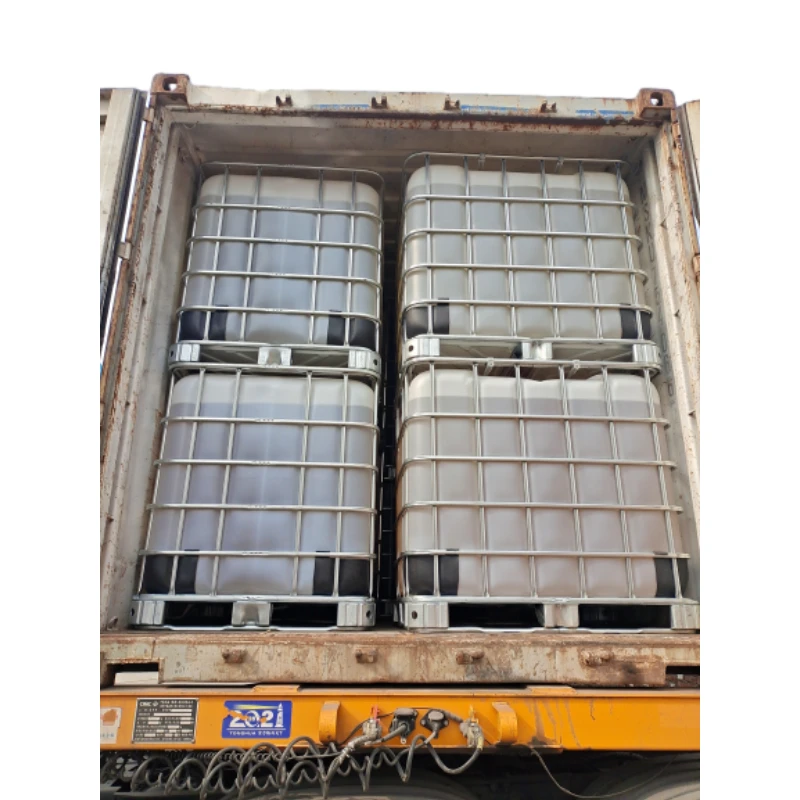
view more DiethanolisopropanolamineIn the ever-growing field of chemical solutions, diethanolisopropanolamine (DEIPA) stands out as a versatile and important compound. Due to its unique chemical structure and properties, DEIPA is of interest to various industries including construction, personal care, and agriculture. -
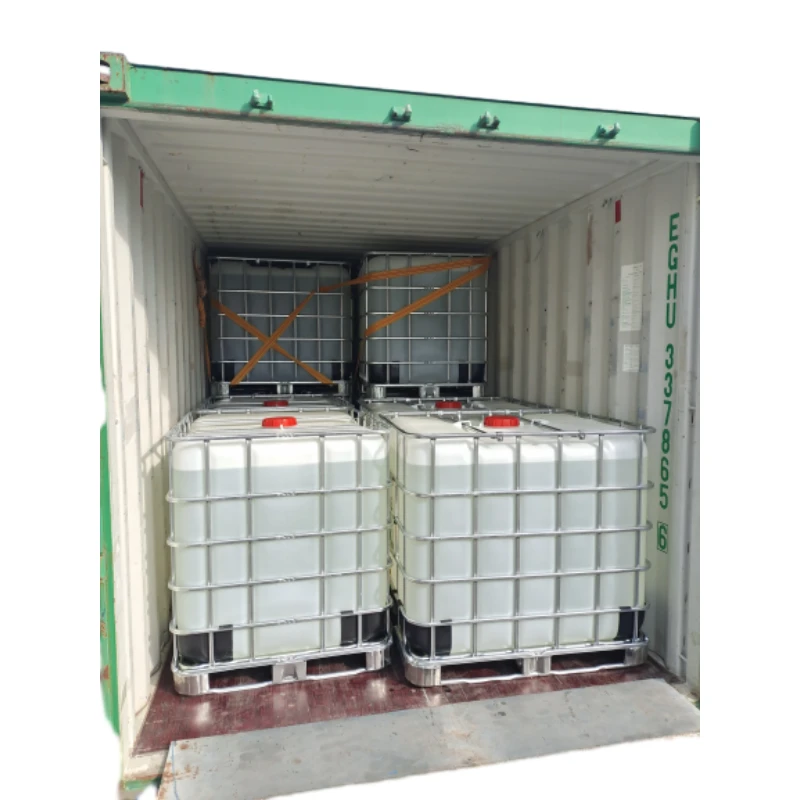
view more TriisopropanolamineTriisopropanolamine (TIPA) alkanol amine substance, is a kind of alcohol amine compound with amino and alcohol hydroxyl, and because of its molecules contains both amino and hydroxyl. -
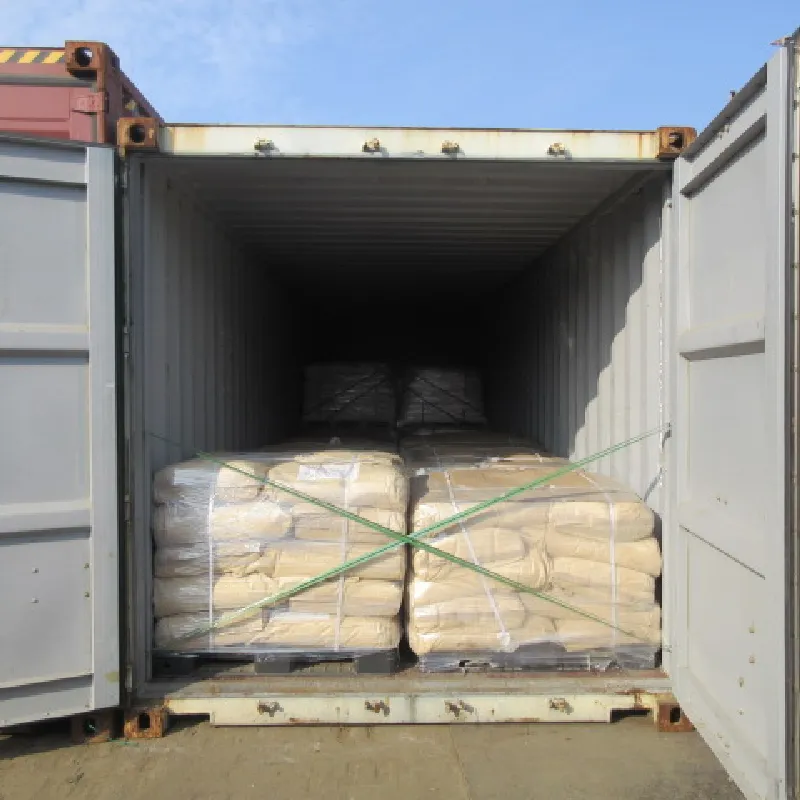
view more Tetramethyl Thiuram DisulfideTetramethyl thiuram disulfide, also known as TMTD, is a white to light-yellow powder with a distinct sulfur-like odor. It is soluble in organic solvents such as benzene, acetone, and ethyl acetate, making it highly versatile for use in different formulations. TMTD is known for its excellent vulcanization acceleration properties, which makes it a key ingredient in the production of rubber products. Additionally, it acts as an effective fungicide and bactericide, making it valuable in agricultural applications. Its high purity and stability ensure consistent performance, making it a preferred choice for manufacturers across various industries.