





Understanding the Role of Glycerin as a Food Additive in Culinary Applications
Glycerin An Essential Food Additive
Glycerin, also known as glycerol, is a colorless, odorless, and sweet-tasting liquid that plays a pivotal role in the food industry. Its chemical structure, a three-carbon compound, makes it a versatile ingredient, and its properties allow it to serve many functions in food processing and preservation. This article explores glycerin as a food additive, its applications, safety considerations, and its impact on food products.
What is Glycerin?
Glycerin is a natural compound derived from fats and oils, as well as being synthetically produced. It is a hygroscopic substance, meaning it absorbs moisture from the air. This property makes glycerin an effective humectant, which is essential for maintaining moisture content in food products. As a food additive, glycerin is classified as GRAS (Generally Recognized as Safe) by the U.S. Food and Drug Administration, meaning it is deemed safe for consumption.
Applications of Glycerin in Food
Glycerin serves multiple purposes in food processing
1. Humectant Glycerin's moisture-retaining abilities help keep food products soft and prevent them from drying out. This is particularly important in baked goods, candies, and dried fruits, where maintaining texture is crucial.
2. Sweetener With its sweet flavor, glycerin can be used as a sugar substitute, making it appealing for low-sugar or sugar-free products. It has about 60% of the sweetness of sucrose (table sugar), which allows manufacturers to reduce sugar content while still providing a sweet taste.
glycerin food additive
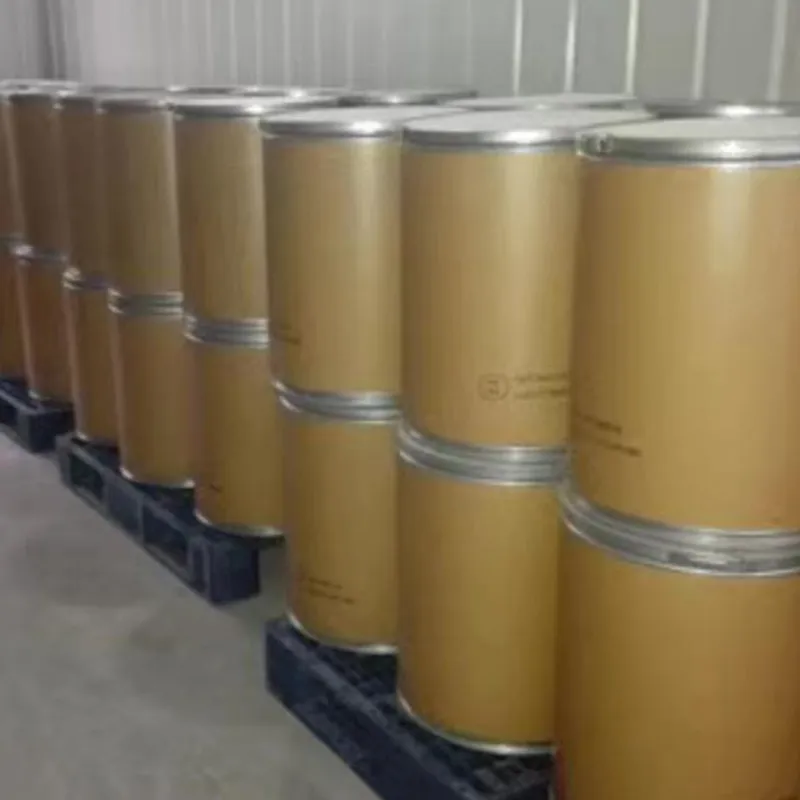
3. Solvent and Emulsifier Glycerin can dissolve various substances, making it an effective solvent for flavors and colors in food preparation. It also acts as an emulsifier, helping to mix ingredients that normally do not blend well, such as oil and water.
4. Preservative Glycerin's ability to attract water also means it can inhibit the growth of microorganisms, extending the shelf life of food products. This is particularly useful in items like sauces, dressings, and soups.
5. Texture Agent In addition to retaining moisture, glycerin contributes to the smoothness and consistency of products, enhancing mouthfeel. This property is valuable in a variety of foods, including confectionery and dairy products.
Safety Considerations
As glycerin is classified as GRAS, it is considered safe for most individuals when consumed in typical amounts found in food. However, excessive consumption may lead to gastrointestinal discomfort, such as bloating or diarrhea. It is particularly essential for individuals with certain medical conditions, such as diabetes, to moderate their intake, as glycerin can contribute to increased blood sugar levels.
Despite its safety profile, it is important for consumers to be aware of the source of glycerin. While most glycerin used in food is derived from vegetable sources, some may derive from animal fats. As such, individuals following specific dietary restrictions or ethical considerations, like vegetarians or vegans, should check ingredient labels to ensure the glycerin meets their preferences.
Conclusion
Glycerin is a multifaceted food additive that enhances the quality, shelf life, and sensory attributes of various food products. Its role as a humectant, sweetener, solvent, emulsifier, and preservative makes it an invaluable component in the food industry. With its safety recognized by regulatory authorities, glycerin continues to contribute significantly to food formulation and consumer satisfaction. As the food landscape evolves, glycerin’s versatility will likely keep it prominent on ingredient lists, meeting the demands of health-conscious consumers seeking quality and innovation in their food choices.
-
How to Choose Dimethyl Disulfide DMDS for Industrial UseNewsNov.09,2026
-
Aspartame Buyer FAQ: Sweetness, Specifications and ApplicationsNewsNov.02,2026
-
Aluminum Hydroxide FAQ: Specifications, Ordering and Support QuestionsNewsOct.28,2026
-
Improve Crop Yield with Premium Calcium Boron FertilizerNewsJul.01,2026
-
Ultimate Guide to Cal Mag Fertilizer for Boosting Plant HealthNewsJun.29,2026
-
Maximize Crop Recovery Using High Performance Bounce Back FertilizerNewsJun.27,2026
-
Maximize Crop Yields and Soil Health with Biozyme FertilizerNewsJun.26,2026
Hebei Tenger Chemical Technology Co., Ltd. focuses on the chemical industry and is committed to the export service of chemical raw materials.
-

view more Tplyltriazole(TTA)Tplyltriazole is a powerful and versatile corrosion inhibitor,it is a white particle or powder that is easily hygroscopic and can be processed into large, small, columnar, fine, or powdered shapes.It is a highly effective solution for preventing rust and corrosion on a variety of metal surfaces, making it an ideal choice for a wide range of applications. -

view more Formic AcidFormic acid, is a colorless, pungent-smelling liquid.With its unique properties and diverse applications that serves a wide range of industrial and commercial applications. -

view more Aluminum HydroxideAluminum Hydroxide, a versatile and essential product for a wide range of applications.This product is a white, amorphous powder that is insoluble in water and has a variety of uses in industries such as pharmaceuticals, cosmetics, and manufacturing.