





iron fertilizer
The Importance of Iron Fertilizers in Agriculture
Iron is an essential micronutrient for plants, playing a crucial role in various physiological processes. Its significance in agriculture cannot be overstated, especially considering the growing global population and the pressing need for sustainable farming practices. Iron fertilizers are an integral tool used by farmers to enhance soil fertility and improve crop yields.
Understanding Iron Deficiency in Plants
Plants require iron to synthesize chlorophyll, which is vital for photosynthesis. A deficiency in iron can lead to chlorosis, a condition characterized by yellowing leaves while the veins remain green. This symptom often appears first in young leaves, as they are usually the most metabolically active. Iron deficiency can severely impact a plant's growth and productivity. In many regions, particularly where soils are acidic or alkaline, the availability of iron naturally diminishes, leading to the necessity for supplementation through iron fertilizers.
Types of Iron Fertilizers
Iron fertilizers come in various forms, each with different characteristics and suitability depending on the soil type and current nutrient levels. The most common types include
1. Iron Chelates These are organic compounds that bind iron, improving its solubility and availability to plants. Examples include EDTA (ethylenediaminetetraacetic acid) and EDDHA (ethylenediamine-N,N'-diacetic acid). Chelated iron is particularly effective in alkaline soils.
2. Iron Sulfate Also known as ferrous sulfate, this inorganic form of iron is used as a soil amendment to correct iron deficiency. It can lower soil pH levels, making iron more available.
3. Iron Oxide This form is less soluble and often used in situations where long-term iron availability is needed rather than immediate intervention.
Understanding the appropriate type of iron fertilizer for specific soil conditions is crucial for optimal plant health and growth.
iron fertilizer
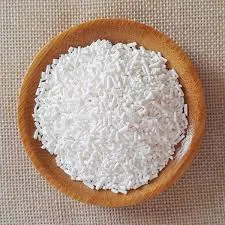
Application and Benefits
Applying iron fertilizers can significantly improve crop yields, particularly in susceptible plants such as maize, soybeans, and various fruit trees. Regular monitoring of soil nutrient levels helps farmers determine the right time and amount of fertilizer to apply. Incorporating iron fertilizers not only addresses immediate deficiencies but also enhances the overall health of the soil by promoting a balanced nutrient profile.
Moreover, using iron fertilizers can contribute to sustainable agricultural practices. By improving plant health, farmers can potentially rely less on chemical pesticides and fungicides as healthy plants are more resilient to pests and diseases. This indirect benefit aligns with the growing emphasis on integrated pest management (IPM) practices.
Economic Implications
The economic implications of using iron fertilizers are significant. Although the initial investment may seem daunting, the long-term benefits—in terms of increased yield, improved crop quality, and enhanced soil health—often outweigh the costs. Farmers who effectively manage their soil's micronutrient levels tend to achieve better market prices for their produce, reflecting the quality and sustainability of their agricultural practices.
Environmental Considerations
While the use of iron fertilizers has many benefits, it is essential to use them judiciously. Over-application can lead to soil and water contamination, resulting in negative environmental impacts. Therefore, farmers must adopt best management practices, including soil testing and precise application methods, to mitigate potential risks. Incorporating organic matter and practicing crop rotation can also enhance the natural iron availability in the soil, reducing the dependency on chemical fertilizers.
Conclusion
Iron fertilizers are a powerful tool in modern agriculture, essential for overcoming iron deficiency and improving crop productivity. As the world continues to face challenges related to food security and environmental sustainability, the responsible use of iron fertilizers will play a pivotal role. By understanding the intricacies of soil health and nutrient management, farmers can effectively utilize these fertilizers, ensuring a robust agricultural sector that meets the demands of future generations. With the right practices, the benefits of iron fertilizers can be maximized, fostering healthy crops and sustainable farming ecosystems.
-
Aspartame Buyer FAQ: Sweetness, Specifications and ApplicationsNewsNov.02,2026
-
Aluminum Hydroxide FAQ: Specifications, Ordering and Support QuestionsNewsOct.28,2026
-
Improve Crop Yield with Premium Calcium Boron FertilizerNewsJul.01,2026
-
Ultimate Guide to Cal Mag Fertilizer for Boosting Plant HealthNewsJun.29,2026
-
Maximize Crop Recovery Using High Performance Bounce Back FertilizerNewsJun.27,2026
-
Maximize Crop Yields and Soil Health with Biozyme FertilizerNewsJun.26,2026
-
Sustainable Agriculture Guide using bio organic fertilizerNewsJun.25,2026
Hebei Tenger Chemical Technology Co., Ltd. focuses on the chemical industry and is committed to the export service of chemical raw materials.
-

view more Tplyltriazole(TTA)Tplyltriazole is a powerful and versatile corrosion inhibitor,it is a white particle or powder that is easily hygroscopic and can be processed into large, small, columnar, fine, or powdered shapes.It is a highly effective solution for preventing rust and corrosion on a variety of metal surfaces, making it an ideal choice for a wide range of applications. -

view more Formic AcidFormic acid, is a colorless, pungent-smelling liquid.With its unique properties and diverse applications that serves a wide range of industrial and commercial applications. -

view more Aluminum HydroxideAluminum Hydroxide, a versatile and essential product for a wide range of applications.This product is a white, amorphous powder that is insoluble in water and has a variety of uses in industries such as pharmaceuticals, cosmetics, and manufacturing.