





kinds of fertilizer
Understanding the Different Kinds of Fertilizer
Fertilizers play a crucial role in modern agriculture and gardening, providing the essential nutrients that plants need to grow healthy and strong. As we delve into the various kinds of fertilizers available, it’s important to understand their composition, use, and impact on both plants and the environment. This article will explore the major types of fertilizers, their benefits, and considerations for their use.
1. Chemical Fertilizers
Chemical fertilizers, also known as synthetic fertilizers, are manufactured through a chemical process. They are typically high in essential nutrients that plants require, such as nitrogen (N), phosphorus (P), and potassium (K)—often referred to as NPK. These nutrients are vital for plant growth
- Nitrogen supports leafy growth and is essential for chlorophyll production. - Phosphorus promotes strong root systems and flowering. - Potassium helps in overall plant health and resistance to diseases.
Chemical fertilizers are quick to act; plants can absorb these nutrients almost immediately after application. However, their excessive use can lead to soil degradation, water pollution, and disruption of the natural ecosystem. Therefore, while they can provide immediate results, careful management is necessary to prevent adverse environmental impacts.
Organic fertilizers are derived from natural sources, including plant and animal matter. They can include compost, manure, bone meal, and fish emulsion. These fertilizers are not only beneficial for plant growth but also enhance soil health by improving its structure and increasing microbial activity.
One of the significant advantages of organic fertilizers is their slow-release properties. Nutrients are made available to plants gradually over time, which reduces the risk of leaching and nutrient runoff into waterways. Additionally, organic fertilizers contribute to long-term soil fertility, making them an environmentally friendly choice for sustainable gardening and farming practices.
3. Slow-Release and Controlled-Release Fertilizers
Slow-release fertilizers provide a steady supply of nutrients over an extended period. They are often coated with materials that delay nutrient release. Controlled-release fertilizers, on the other hand, release nutrients based on the soil's temperature and moisture levels, ensuring that plants receive what they need when they need it.
kinds of fertilizer
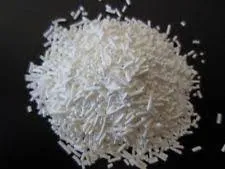
These types of fertilizers are particularly beneficial for gardeners and farmers who may not be able to apply fertilizers frequently. They reduce the risk of nutrient loss and promote more efficient use of fertilizers, ultimately leading to improved plant health and reduced environmental impact.
4. Liquid Fertilizers
Liquid fertilizers are concentrated solutions that can be applied directly to the soil or sprayed on plant foliage. They can be organic or synthetic and provide immediate nutrient availability. Liquid fertilizers are ideal for addressing specific nutrient deficiencies quickly, enabling plants to absorb nutrients faster.
However, caution should be exercised with liquid fertilizers. Over-application can lead to nutrient burn, and since they act quickly, the risk of leaching is higher if there is heavy rainfall or irrigation immediately after application.
5. Specialty Fertilizers
Specialty fertilizers are designed for specific plants or purposes. They can include fertilizers formulated for flowers, vegetables, lawns, or even indoor plants. These products cater to the unique nutrient requirements of various plants and can significantly enhance growth and productivity.
Furthermore, there are also fertilizers developed for particular growth phases, such as starters for young plants or bloom boosters for flowering stages. Utilizing specialty fertilizers can lead to better results and a more tailored approach to plant nutrition.
Conclusion
Understanding the different kinds of fertilizers is essential for anyone involved in gardening or agriculture. Each type—be it chemical, organic, slow-release, liquid, or specialty—has its benefits and drawbacks. Choosing the right fertilizer involves considering the specific needs of the plants, the characteristics of the soil, and the environmental implications of fertilizer use.
Ultimately, the key to successful plant growth lies in balanced and informed fertilization practices. By leveraging the strengths of various fertilizers and using them sustainably, gardeners and farmers can promote healthy plants and contribute to the larger goal of environmental stewardship. Whether you are tending to a small garden or managing a large farm, understanding fertilizer options is a vital step towards achieving optimal growth and sustainability.
-
Aspartame Buyer FAQ: Sweetness, Specifications and ApplicationsNewsNov.02,2026
-
Aluminum Hydroxide FAQ: Specifications, Ordering and Support QuestionsNewsOct.28,2026
-
Improve Crop Yield with Premium Calcium Boron FertilizerNewsJul.01,2026
-
Ultimate Guide to Cal Mag Fertilizer for Boosting Plant HealthNewsJun.29,2026
-
Maximize Crop Recovery Using High Performance Bounce Back FertilizerNewsJun.27,2026
-
Maximize Crop Yields and Soil Health with Biozyme FertilizerNewsJun.26,2026
-
Sustainable Agriculture Guide using bio organic fertilizerNewsJun.25,2026
Hebei Tenger Chemical Technology Co., Ltd. focuses on the chemical industry and is committed to the export service of chemical raw materials.
-

view more Tplyltriazole(TTA)Tplyltriazole is a powerful and versatile corrosion inhibitor,it is a white particle or powder that is easily hygroscopic and can be processed into large, small, columnar, fine, or powdered shapes.It is a highly effective solution for preventing rust and corrosion on a variety of metal surfaces, making it an ideal choice for a wide range of applications. -

view more Formic AcidFormic acid, is a colorless, pungent-smelling liquid.With its unique properties and diverse applications that serves a wide range of industrial and commercial applications. -

view more Aluminum HydroxideAluminum Hydroxide, a versatile and essential product for a wide range of applications.This product is a white, amorphous powder that is insoluble in water and has a variety of uses in industries such as pharmaceuticals, cosmetics, and manufacturing.