





Innovative Applications of Lactic Acid Additives in Food and Beverage Industries
The Role of Lactic Acid Additive in Food Production
Lactic acid, a naturally occurring organic acid, has gained recognition as a versatile additive in the food industry. It's not just vital for fermentation processes; it serves various functions, including acting as a preservative, flavoring agent, and even a texture enhancer. Understanding the role of lactic acid additives helps to appreciate their significance in food production, safety, and overall quality.
What is Lactic Acid?
Lactic acid is produced through the fermentation of sugars by lactic acid bacteria (LAB). This process naturally occurs in various food items, notably dairy products such as yogurt and cheese, as well as in fermented vegetables like sauerkraut. The compound is a colorless and water-soluble liquid with a slightly sour taste, which is essential in providing that characteristic tanginess to various products. In addition to dairy and fermented foods, lactic acid is synthetically produced for use as an additive in numerous processed foods.
Functions of Lactic Acid Additives
1. Preservation One of the primary roles of lactic acid in food production is its ability to act as a natural preservative. The lower pH level resulting from lactic acid production inhibits the growth of spoilage and pathogenic microorganisms. As a result, it extends the shelf life of products, ensuring that consumers can safely enjoy them for a more extended period. Items like pickles, sausages, and some dairy products significantly benefit from this preservative function.
2. Flavor Enhancement Lactic acid contributes to the flavor profiles of many foods. Its unique sour taste provides a refreshing zing that enhances the sensory experience of products such as sourdough bread, yogurt, and various sauces. In the culinary world, the incorporation of lactic acid may mean the difference between a bland dish and one that vividly delights the palate.
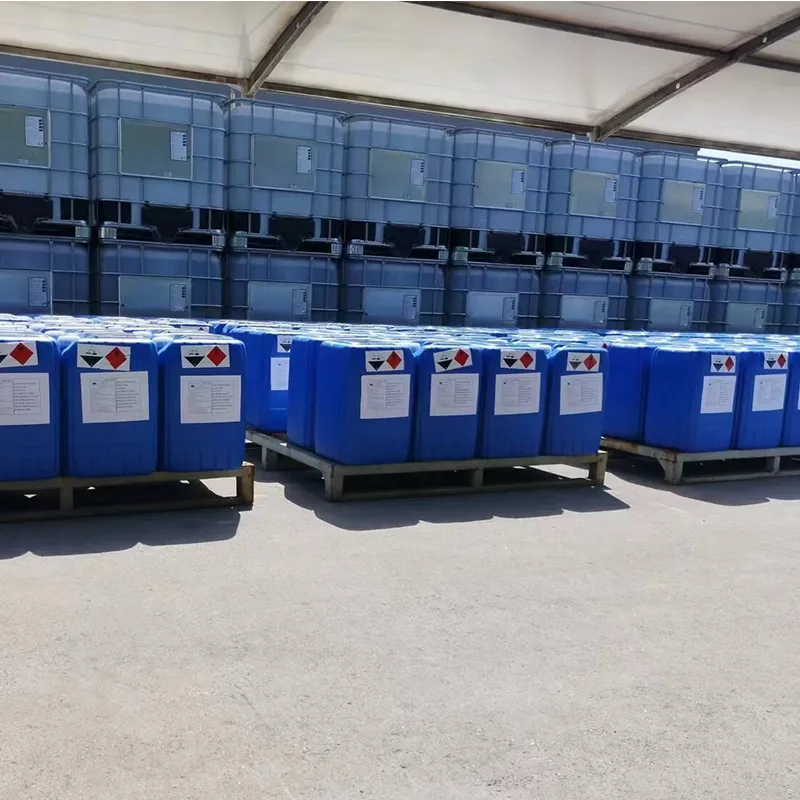
lactic acid additive
3. pH Regulation Maintaining the right pH level in food products is crucial for both flavor and safety. Lactic acid helps control acidity, ensuring that foods remain stable and safe for consumption. This function is particularly important in dairy fermentation processes, where specific pH levels are crucial for the development of the desired texture and flavor.
4. Texture Improvement In addition to its flavor and preservation properties, lactic acid acts as a texture modifier. Many cheese varieties, for example, rely on the presence of lactic acid to develop their characteristic firmness and mouthfeel. Furthermore, in baked goods, lactic acid can contribute to the softening of gluten, resulting in a lighter, more delicate crumb structure.
5. Nutritional Value Lactic acid itself is a source of energy for the body, and the fermentation process often increases the bioavailability of certain nutrients. For instance, the fermentation of dairy by LAB increases the digestibility of lactose, making dairy products more accessible for lactose-intolerant individuals.
Safety and Regulatory Aspects
Lactic acid additives are generally recognized as safe (GRAS) by the Food and Drug Administration (FDA). This designation is significant as it underscores the widespread acceptance of lactic acid as a food additive. It has been used for decades, and its safety continues to be monitored by various food safety agencies globally.
Conclusion
In summary, lactic acid additives are indispensable in food production, providing diverse benefits that enhance the quality, safety, and nutritional value of various products. From its crucial role in preservation to improving flavor and texture, lactic acid's versatility makes it a valuable component within the food industry. As consumers continue to seek natural and minimally processed foods, the relevance of lactic acid and its derivatives will likely grow, bolstering its place as a key player in modern food production. Understanding and utilizing lactic acid effectively can lead to improved product quality and better consumer experiences, ensuring that this organic acid remains a staple in kitchens and food facilities around the world.
-
How to Choose Dimethyl Disulfide DMDS for Industrial UseNewsNov.09,2026
-
Aspartame Buyer FAQ: Sweetness, Specifications and ApplicationsNewsNov.02,2026
-
Aluminum Hydroxide FAQ: Specifications, Ordering and Support QuestionsNewsOct.28,2026
-
Improve Crop Yield with Premium Calcium Boron FertilizerNewsJul.01,2026
-
Ultimate Guide to Cal Mag Fertilizer for Boosting Plant HealthNewsJun.29,2026
-
Maximize Crop Recovery Using High Performance Bounce Back FertilizerNewsJun.27,2026
-
Maximize Crop Yields and Soil Health with Biozyme FertilizerNewsJun.26,2026
Hebei Tenger Chemical Technology Co., Ltd. focuses on the chemical industry and is committed to the export service of chemical raw materials.
-

view more Tplyltriazole(TTA)Tplyltriazole is a powerful and versatile corrosion inhibitor,it is a white particle or powder that is easily hygroscopic and can be processed into large, small, columnar, fine, or powdered shapes.It is a highly effective solution for preventing rust and corrosion on a variety of metal surfaces, making it an ideal choice for a wide range of applications. -

view more Formic AcidFormic acid, is a colorless, pungent-smelling liquid.With its unique properties and diverse applications that serves a wide range of industrial and commercial applications. -

view more Aluminum HydroxideAluminum Hydroxide, a versatile and essential product for a wide range of applications.This product is a white, amorphous powder that is insoluble in water and has a variety of uses in industries such as pharmaceuticals, cosmetics, and manufacturing.