





Looking for Monosodium Glutamate for Sale? Bulk, Non-GMO
Monosodium Glutamate (MSG): Buyer’s Guide, Specs, and Real-World Sourcing Notes
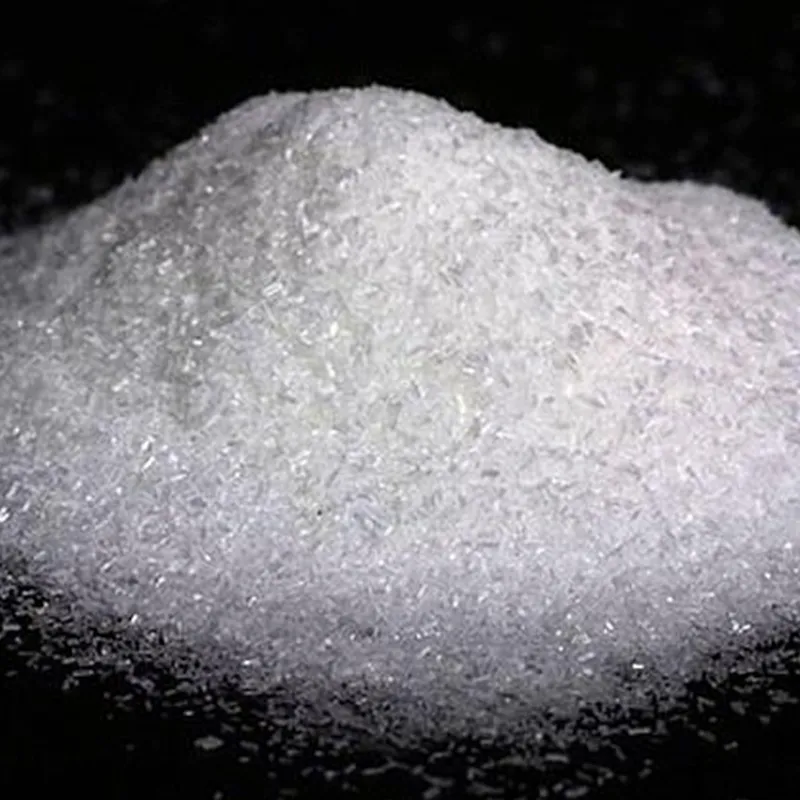
If you’re scanning the market for monosodium glutamate for sale, here’s the practical, boots-on-the-ground view. The short of it: today’s MSG is cleanly fermented, highly standardized, and—despite old myths—backed by mainstream food safety authorities. I’ve toured plants, read the certificates, and talked to buyers; trends are steady, with slight seasonal price swings and growing demand from plant-based brands that need deeper savory notes without extra sodium.
Industry Trends (What buyers actually feel)
- Fermentation tech keeps improving—higher yields, lower off-notes, tighter particle uniformity.
- Clean-label tactics: brands use MSG to cut sodium 20–30% without losing punch; it’s surprisingly effective.
- Regulatory comfort: FDA, JECFA, and Codex list MSG as safe within normal use; buyers want the paperwork on file.
Technical Specs (Typical commercial grade)
| Item | Specification (≈typical) | Notes |
|---|---|---|
| Appearance | White crystalline powder | Free-flowing; low odor |
| Assay (as MSG) | ≥ 99.0% (FCC/E621) | HPLC or titration |
| Loss on drying | ≤ 0.5% | 120 °C, 4 h |
| pH (1% sol.) | 6.7–7.2 | Neutral taste profile |
| Chloride (as Cl−) | ≤ 0.1% | Ion chromatography |
| Heavy metals (Pb) | ≤ 1 mg/kg | ICP-MS per food-additive limits |
| Mesh size | 8–80 mesh options | Fine to coarse for different blends |
| Shelf life | ≈ 36 months | Cool, dry, sealed |
Process Flow & Testing
Materials: food-grade glucose/corn starch; fermentation strains (Corynebacterium glutamicum). Method: aerobic fermentation → L-glutamate broth → neutralization with NaOH → crystallization → centrifuge → drying → sieving and blending → metal detection → packaging (usually 25 kg kraft bags with PE liner). QC: assay, moisture, pH, chloride, particle size, and contaminant limits per FCC/Codex; microbiology per ISO 4833. Service life is 3 years sealed; real-world use may vary if opened often.
Applications and Use Levels
- Soups, sauces, bouillon, gravies (typical 0.1–0.6%).
- Snack seasoning, instant noodles, frozen meals, plant-based meats (0.2–0.8%).
- Works synergistically with disodium inosinate/guanylate (I+G) for amplified umami.
In one kitchen test (triangle methodology), 0.3% MSG enabled a 25% sodium reduction in a tomato soup while maintaining perceived savoriness—tasted by a mixed panel of chefs and QA folks, not just marketers.
Vendor Comparison (quick snapshot)
| Vendor | Origin | Certifications | MOQ | Lead Time | Packaging | Customization |
|---|---|---|---|---|---|---|
| Tenger Chemical (MSG) | 3-2-501, North Courtyard, West District, Jiuli Courtyard, Yuhua District, Shijiazhuang, Hebei, China | ISO 22000, HACCP, Halal, Kosher | ≈1 MT | 7–14 days | 25 kg bags; 1 kg x 25 by request | Mesh size, I+G blends |
| Regional Blender (EU/US) | EU/US | BRC, HACCP | ≈500 kg | 3–5 days | 10 kg box or bag-in-box | Custom seasoning premixes |
| Bulk Distributor (SEA) | Southeast Asia | FSSC 22000 | ≈5 MT | 2–4 weeks | 25 kg bags | Limited options |
Customization & Packaging
Options include fine (40–80 mesh) for snack dusting, coarse for marinades, plus blends with I+G or yeast extract. Packaging is typically 25 kg PE-lined kraft, with smaller sachets for foodservice. Many customers say tamper-evident liners and pallet stretch-wrap reduce caking, especially in humid months.
Case Notes and Feedback
- Ramen chain: 0.25% MSG in broth lifted umami and cut salt by 18%—patrons noticed “more depth,” not “more salt.”
- Snack brand: fine-mesh MSG improved adhesion and reduced seasoning waste ≈12% on a continuous tumbler line.
- Central kitchen: switching to Halal/Kosher-certified supply simplified export audits; paperwork mattered as much as taste.
When you see monosodium glutamate for sale claims, always ask for a recent COA: Assay, moisture, pH, heavy metals, mesh, microbiology, and allergen statement. It seems basic, but that diligence saves reformulation headaches later.
Standards & Safety
Complies with FCC and Codex GSFA (E621). JECFA classifies glutamates with an ADI “not specified.” U.S. FDA lists MSG as GRAS; the EU permits it as E621. For labeling, follow local food-additive regulations and allergen policies (MSG itself isn’t a top allergen, but check your market rules).
Authoritative citations
- FDA. Questions and Answers on Monosodium Glutamate (MSG). https://www.fda.gov
- JECFA (FAO/WHO). L-Glutamic acid and its salts (Monograph). https://www.who.int
- Codex Alimentarius. General Standard for Food Additives (GSFA) – Glutamates (E621). https://www.fao.org
- EFSA Panel on Food Additives. Re-evaluation of glutamic acid and glutamates (E 620–625). https://www.efsa.europa.eu
-
The Essential Guide to Sorbates as Food Preservatives for SafetyNewsApr.16,2026
-
The Ultimate Guide to Sorbate Preservative in Modern IndustryNewsApr.09,2026
-
Comprehensive Guide to Sodium Stearoyl Lactylate Emulsifier Applications and BenefitsNewsApr.07,2026
-
Comprehensive Guide to Sodium Cyclamate Sweetener Properties and ApplicationsNewsApr.04,2026
-
Comprehensive Guide to Sodium Citrate Food Additive and Its ApplicationsNewsMar.31,2026
-
Comprehensive Guide to Sodium Bicarbonate Food Additive Applications and BenefitsNewsMar.28,2026
-
Understanding Sodium Benzoate Preservative in Cosmetics and Its ApplicationsNewsMar.26,2026
Hebei Tenger Chemical Technology Co., Ltd. focuses on the chemical industry and is committed to the export service of chemical raw materials.
-
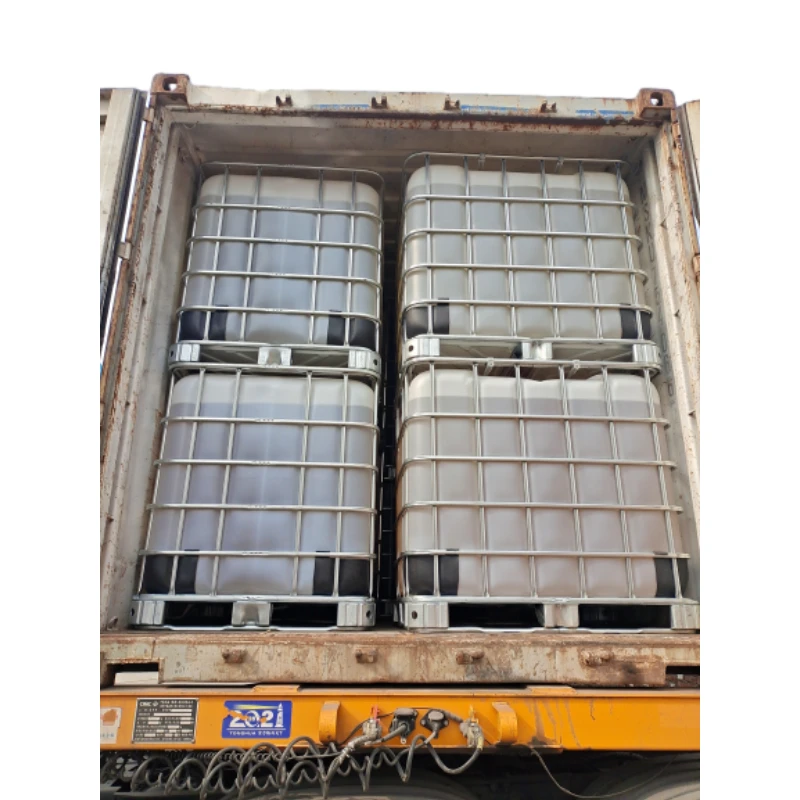
view more DiethanolisopropanolamineIn the ever-growing field of chemical solutions, diethanolisopropanolamine (DEIPA) stands out as a versatile and important compound. Due to its unique chemical structure and properties, DEIPA is of interest to various industries including construction, personal care, and agriculture. -
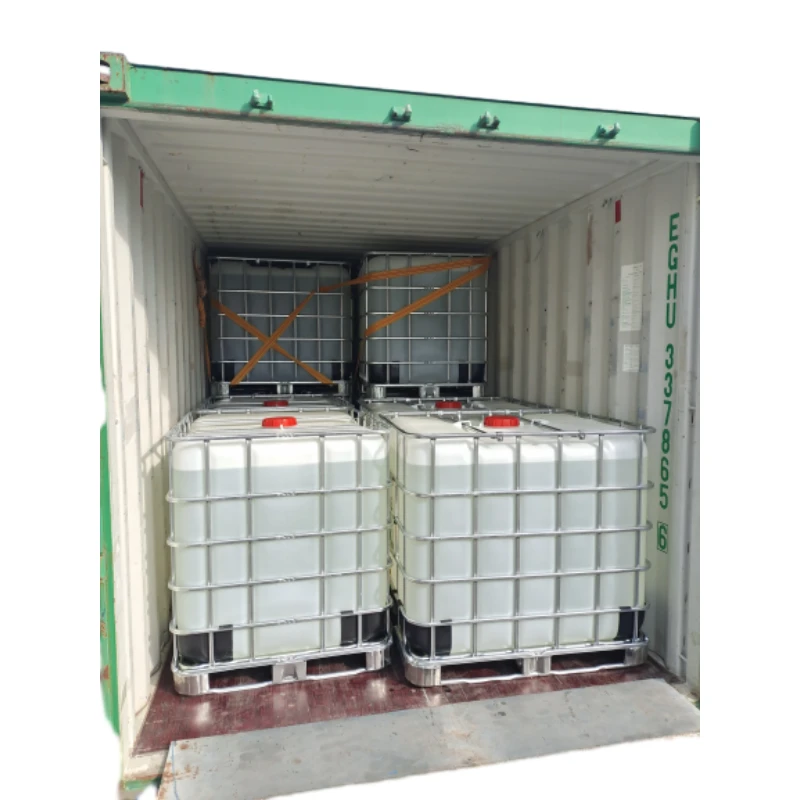
view more TriisopropanolamineTriisopropanolamine (TIPA) alkanol amine substance, is a kind of alcohol amine compound with amino and alcohol hydroxyl, and because of its molecules contains both amino and hydroxyl. -
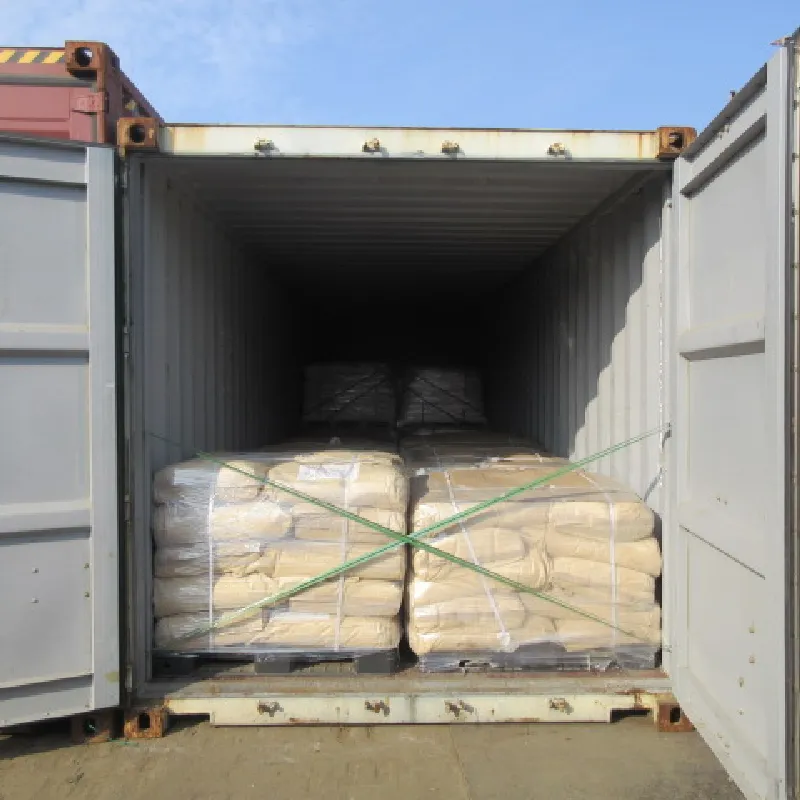
view more Tetramethyl Thiuram DisulfideTetramethyl thiuram disulfide, also known as TMTD, is a white to light-yellow powder with a distinct sulfur-like odor. It is soluble in organic solvents such as benzene, acetone, and ethyl acetate, making it highly versatile for use in different formulations. TMTD is known for its excellent vulcanization acceleration properties, which makes it a key ingredient in the production of rubber products. Additionally, it acts as an effective fungicide and bactericide, making it valuable in agricultural applications. Its high purity and stability ensure consistent performance, making it a preferred choice for manufacturers across various industries.