





monosodium glutamate process
Monosodium glutamate (MSG) is a popular flavor enhancer widely used in cooking, particularly in Asian cuisine. The process of producing monosodium glutamate involves several key steps, each contributing to the final product's unique taste-enhancing properties.
The production of MSG generally begins with the fermentation of carbohydrates. This process often uses sugar sources such as sugar beets, sugar cane, or starch from corn. The carbohydrates are subjected to a fermentation process involving specific strains of bacteria, primarily Corynebacterium glutamicum. These bacteria are naturally capable of synthesizing glutamic acid, a non-essential amino acid that forms the basis of MSG.
During fermentation, the selected bacteria metabolize the sugars, producing glutamic acid as a byproduct. This biological conversion is efficient, with high yields of glutamic acid obtained from modest quantities of carbohydrate feedstocks. After fermentation, the glutamic acid must be purified. This typically involves a series of filtration and crystallization steps to isolate the glutamic acid from the fermentation broth, removing any impurities and unutilized substrates.
Once purified, glutamic acid is converted into monosodium glutamate through a reaction with sodium hydroxide. This step involves neutralizing the carboxylic acid group of glutamic acid with sodium, resulting in the formation of monosodium glutamate, which is more soluble and stable than its acidic precursor. The resulting MSG is then crystallized and dried to achieve the desired powder form, ready for packaging and distribution.
monosodium glutamate process
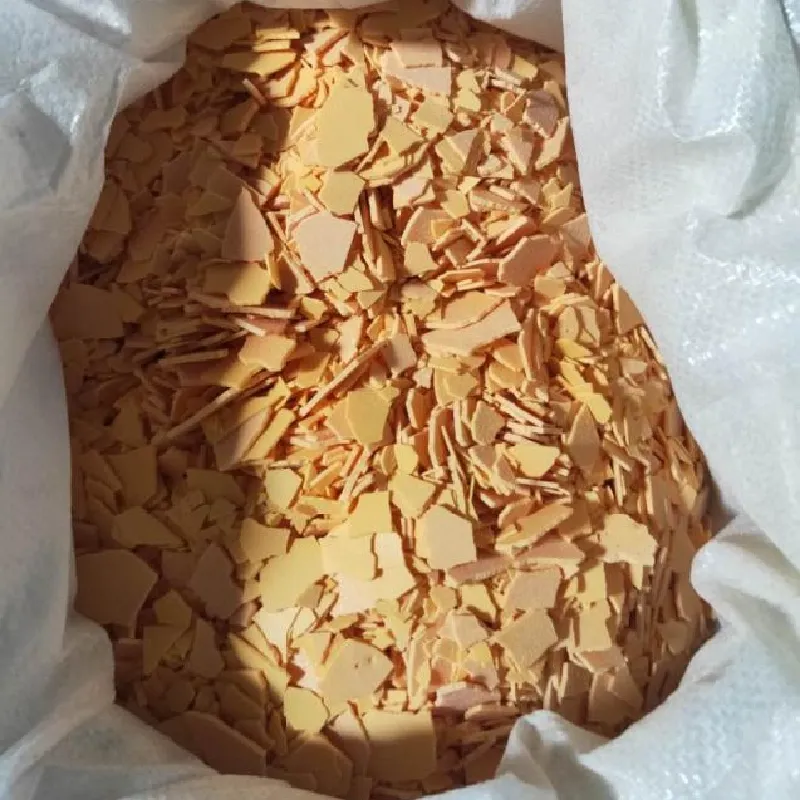
The quality of monosodium glutamate is crucial, as it must meet food safety standards and consumer expectations regarding flavor enhancement
. Consequently, producers monitor the fermentation and purification process closely to maintain consistency and quality.MSG works by stimulating the umami taste receptors on the tongue, providing a savory flavor that enhances the overall taste of food. It is commonly used in soups, sauces, and processed meats, among other foods. Despite some controversy surrounding its consumption, numerous studies have shown that MSG is safe for the general population when consumed within acceptable daily intake levels.
In conclusion, the process of producing monosodium glutamate is a fascinating blend of microbiology, biochemistry, and food science that results in a flavor enhancer that has become a staple in many cuisines around the world.
-
Aspartame Buyer FAQ: Sweetness, Specifications and ApplicationsNewsNov.02,2026
-
Aluminum Hydroxide FAQ: Specifications, Ordering and Support QuestionsNewsOct.28,2026
-
Improve Crop Yield with Premium Calcium Boron FertilizerNewsJul.01,2026
-
Ultimate Guide to Cal Mag Fertilizer for Boosting Plant HealthNewsJun.29,2026
-
Maximize Crop Recovery Using High Performance Bounce Back FertilizerNewsJun.27,2026
-
Maximize Crop Yields and Soil Health with Biozyme FertilizerNewsJun.26,2026
-
Sustainable Agriculture Guide using bio organic fertilizerNewsJun.25,2026
Hebei Tenger Chemical Technology Co., Ltd. focuses on the chemical industry and is committed to the export service of chemical raw materials.
-

view more Tplyltriazole(TTA)Tplyltriazole is a powerful and versatile corrosion inhibitor,it is a white particle or powder that is easily hygroscopic and can be processed into large, small, columnar, fine, or powdered shapes.It is a highly effective solution for preventing rust and corrosion on a variety of metal surfaces, making it an ideal choice for a wide range of applications. -

view more Formic AcidFormic acid, is a colorless, pungent-smelling liquid.With its unique properties and diverse applications that serves a wide range of industrial and commercial applications. -

view more Aluminum HydroxideAluminum Hydroxide, a versatile and essential product for a wide range of applications.This product is a white, amorphous powder that is insoluble in water and has a variety of uses in industries such as pharmaceuticals, cosmetics, and manufacturing.