





monosodium glutamate salt
The Role of Monosodium Glutamate in Culinary Traditions
Monosodium glutamate (MSG) has long been a topic of debate in culinary circles and nutrition discussions. This flavor enhancer is commonly used in Asian cuisine but has also made its way into various processed foods around the globe. Understanding MSG’s origins, its role in cooking, and the controversies surrounding its use can provide valuable insights into both culinary practices and dietary choices.
What is Monosodium Glutamate?
Monosodium glutamate is a sodium salt of glutamic acid, an amino acid that occurs naturally in many foods, including tomatoes, cheese, and mushrooms. MSG was first isolated in 1908 by Japanese chemist Kikunae Ikeda, who identified its unique ability to enhance umami — the fifth taste alongside sweet, salty, sour, and bitter. Umami is often described as a savory flavor that adds depth and richness to dishes.
MSG works by stimulating the taste buds on the tongue, enhancing flavors and increasing palatability. It is particularly favored in Asian cuisines, where it is commonly added to soups, sauces, and stir-fried dishes. Beyond its culinary applications, MSG has become a staple in the food industry, used to enhance the flavors of processed foods, snacks, and seasoning mixes.
Culinary Applications of MSG
In cooking, MSG can do wonders to elevate flavor profiles. For instance, when added to a broth, it can magnify the savory notes, making the dish more satisfying. Chefs often appreciate MSG for its ability to create a complex flavor without overwhelming the other ingredients in the recipe. This subtle enhancement can be especially important when working with umami-rich components like mushrooms or meats, where the aim is to highlight their natural flavors.
monosodium glutamate salt
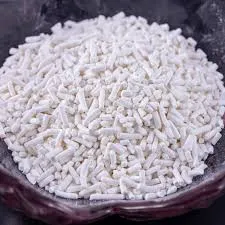
Moreover, MSG has practical benefits in food production. It is cost-effective and has a long shelf life, making it a favorite among manufacturers. It allows for reduced sodium levels in products without compromising on taste, as it enhances flavor without the need for excessive salt. This aspect has made MSG appealing in the context of public health, where reducing sodium intake is a concern.
The Controversies Surrounding MSG
Despite its flavor-enhancing properties, MSG has been at the center of several controversies, primarily driven by widespread misconceptions and anecdotal evidence. In the late 1960s, reports emerged linking MSG to a condition termed Chinese Restaurant Syndrome, which included symptoms like headaches and nausea after consuming food containing MSG. However, extensive scientific research has since largely disproved these claims, finding no consistent evidence to support such adverse reactions in the general population.
Regulatory agencies, including the U.S. Food and Drug Administration (FDA) and the European Food Safety Authority (EFSA), have deemed MSG safe for consumption. These organizations have conducted rigorous assessments and found that MSG does not pose a health risk for the vast majority of people when consumed in typical amounts.
Conclusion
Monosodium glutamate remains a powerful tool in the culinary world, revered for its ability to enhance flavors and create delightful dishes. While the controversies surrounding it cannot be ignored, ongoing research continues to clarify its safety and practical benefits. As we navigate our dietary preferences and culinary practices, understanding MSG’s role can lead to more informed choices in the kitchen. Whether you embrace it as a flavor enhancer or choose to avoid it, MSG's impact on global cuisine is undeniable, making it a fascinating topic for food enthusiasts and health-conscious individuals alike.
-
How to Choose Dimethyl Disulfide DMDS for Industrial UseNewsNov.09,2026
-
Aspartame Buyer FAQ: Sweetness, Specifications and ApplicationsNewsNov.02,2026
-
Aluminum Hydroxide FAQ: Specifications, Ordering and Support QuestionsNewsOct.28,2026
-
Improve Crop Yield with Premium Calcium Boron FertilizerNewsJul.01,2026
-
Ultimate Guide to Cal Mag Fertilizer for Boosting Plant HealthNewsJun.29,2026
-
Maximize Crop Recovery Using High Performance Bounce Back FertilizerNewsJun.27,2026
-
Maximize Crop Yields and Soil Health with Biozyme FertilizerNewsJun.26,2026
Hebei Tenger Chemical Technology Co., Ltd. focuses on the chemical industry and is committed to the export service of chemical raw materials.
-

view more Tplyltriazole(TTA)Tplyltriazole is a powerful and versatile corrosion inhibitor,it is a white particle or powder that is easily hygroscopic and can be processed into large, small, columnar, fine, or powdered shapes.It is a highly effective solution for preventing rust and corrosion on a variety of metal surfaces, making it an ideal choice for a wide range of applications. -

view more Formic AcidFormic acid, is a colorless, pungent-smelling liquid.With its unique properties and diverse applications that serves a wide range of industrial and commercial applications. -

view more Aluminum HydroxideAluminum Hydroxide, a versatile and essential product for a wide range of applications.This product is a white, amorphous powder that is insoluble in water and has a variety of uses in industries such as pharmaceuticals, cosmetics, and manufacturing.