





monosodium glutamate use in food
Monosodium glutamate (MSG) is a flavor enhancer that has been widely used in the food industry for decades. Known for its ability to intensify the savory taste of dishes, MSG is particularly popular in Asian cuisine, processed foods, and snack items. Its chemical composition consists of glutamic acid, an amino acid that naturally occurs in many foods, such as tomatoes, mushrooms, and cheese. MSG was first isolated in 1908 by Japanese chemist Kikunae Ikeda, who recognized its unique flavor-enhancing properties and subsequently commercialized it.
.
Despite its widespread use, MSG has been the subject of controversy regarding its safety and potential health effects. Some individuals claim to experience symptoms such as headaches, nausea, and flushing after consuming foods containing MSG, a phenomenon often referred to as Chinese restaurant syndrome. However, extensive scientific research has largely debunked these claims, indicating that MSG is safe for consumption in moderate amounts. Regulatory agencies, including the U.S. Food and Drug Administration (FDA) and the World Health Organization (WHO), have classified MSG as a food ingredient that is generally recognized as safe (GRAS).
monosodium glutamate use in food
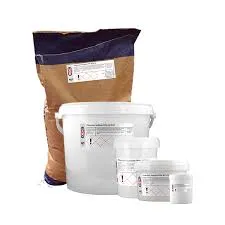
Moreover, MSG can be a useful ingredient for those looking to reduce sodium intake without sacrificing flavor. Many low-sodium products utilize MSG as a substitute to enhance the taste, allowing people to enjoy savory foods while maintaining healthier dietary habits. This aspect is particularly relevant as public health initiatives worldwide highlight the need to lower salt consumption to combat hypertension and cardiovascular diseases.
In conclusion, monosodium glutamate remains a popular and widely used flavor enhancer in the food industry due to its ability to intensify taste and contribute to the umami flavor profile. While concerns about its safety persist, scientific evidence supports its use in moderation. As consumers become more health-conscious, MSG's role in helping to reduce sodium levels while enhancing flavor will likely continue to be relevant in the culinary world. Whether in Asian cuisine or modern processed foods, MSG offers a unique solution to elevate the taste of meals enjoyed around the globe.
-
How to Choose Dimethyl Disulfide DMDS for Industrial UseNewsNov.09,2026
-
Aspartame Buyer FAQ: Sweetness, Specifications and ApplicationsNewsNov.02,2026
-
Aluminum Hydroxide FAQ: Specifications, Ordering and Support QuestionsNewsOct.28,2026
-
Improve Crop Yield with Premium Calcium Boron FertilizerNewsJul.01,2026
-
Ultimate Guide to Cal Mag Fertilizer for Boosting Plant HealthNewsJun.29,2026
-
Maximize Crop Recovery Using High Performance Bounce Back FertilizerNewsJun.27,2026
-
Maximize Crop Yields and Soil Health with Biozyme FertilizerNewsJun.26,2026
Hebei Tenger Chemical Technology Co., Ltd. focuses on the chemical industry and is committed to the export service of chemical raw materials.
-

view more Tplyltriazole(TTA)Tplyltriazole is a powerful and versatile corrosion inhibitor,it is a white particle or powder that is easily hygroscopic and can be processed into large, small, columnar, fine, or powdered shapes.It is a highly effective solution for preventing rust and corrosion on a variety of metal surfaces, making it an ideal choice for a wide range of applications. -

view more Formic AcidFormic acid, is a colorless, pungent-smelling liquid.With its unique properties and diverse applications that serves a wide range of industrial and commercial applications. -

view more Aluminum HydroxideAluminum Hydroxide, a versatile and essential product for a wide range of applications.This product is a white, amorphous powder that is insoluble in water and has a variety of uses in industries such as pharmaceuticals, cosmetics, and manufacturing.