





Natural Preservatives For Drinks: Enhancing Shelf Life & Sustainability for Beverage Businesses
Natural Preservatives For Drinks is a key solution in the industry, specifically within the beverage manufacturing and processing sectors. This article explores how https://www.tengerchemical.com supports professionals with durable, high-performance products, and explains why this product is an ideal choice for businesses in these sectors.
Table of Contents
- Natural Preservatives For Drinks Overview
- Benefits & Use Cases of Natural Preservatives For Drinks
- Cost, Maintenance & User Experience
- Sustainability & Market Trends
Natural Preservatives For Drinks Overview
Natural preservatives for drinks are substances derived from plant extracts, essential oils, and other naturally occurring compounds that inhibit microbial growth, extending the shelf life of beverages without relying on synthetic chemicals. It feels like a timely response to growing consumer demand for clean-label ingredients and safer food technologies, especially in drinks like juices, teas, and functional beverages.
Technically speaking, these preservatives often harness antimicrobial and antioxidant properties inherent in ingredients such as rosemary extract, citric acid, or nisin. One interesting case study from the herbal tea sector involved incorporating rosemary extract to prevent spoilage. The drinks retained their flavor profile while lasting 30% longer under ambient conditions.
| Specification | Detail |
|---|---|
| Source | Plant Extracts, Essential Oils |
| Effective Concentration | 0.05% - 0.2% (w/v) |
| Shelf Life Extension | Up to 30 - 45 days depending on formulation |
| Solubility | Water-soluble and oil-soluble variants available |
| Regulatory Status | Generally Recognized as Safe (GRAS), FDA approved |
Benefits & Use Cases of Natural Preservatives For Drinks
The advantages of natural preservatives go beyond just shelf life extension. In real terms, they improve product safety while enhancing the clean-label appeal brands are chasing nowadays. For instance, in the soft drink industry, these preservatives are used to inhibit yeast and mold growth without altering taste profiles – which honestly can be a tough balancing act.
Additionally, their compatibility with organic certifications and reduced allergen risks make them compelling for manufacturers. Compared to synthetic alternatives like sodium benzoate, natural preservatives often have fewer regulatory hurdles, which frankly eases time to market. Companies that have switched note a smoother customer experience with fewer complaints related to off-flavors.
Vendor Comparison: Natural Preservatives for Drinks
| Vendor | Product Range | Certifications | Pricing | Lead Times |
|---|---|---|---|---|
| Tenger Chemical | Broad, including water/oil-soluble | GRAS, ISO 9001 | Competitive bulk pricing | 2-4 weeks |
| Vendor B | Limited to essential oils | Organic Certified only | Premium pricing | 4-6 weeks |
| Vendor C | Synthetic & natural blends | FDA Approved | Mid-range pricing | 3-5 weeks |
Cost, Maintenance & User Experience
When considering Natural Preservatives For Drinks, cost-effectiveness is always on the radar for B2B buyers. While the upfront costs might be somewhat higher than traditional synthetics, the total cost of ownership tends to balance out. That’s because these preservatives minimize product spoilage rates, reduce returns, and often improve consumer satisfaction — a win-win if you measure ROI in holistic, practical terms.
Maintenance is fairly straightforward too: the preservatives integrate easily into existing production lines with no special equipment. We've seen clients remark that integrating these natural compounds was surprisingly seamless, which can’t be said of every ingredient innovation. Overall user experience leans positive with a noticeable drop in off-flavor complaints and longer shelf life, something that many engineers across beverage sectors have highlighted.
Sustainability & Market Trends
Sustainability is undeniably a driver behind the rapid adoption of natural preservatives. Regulatory agencies worldwide are tightening standards around synthetic chemical additives, nudging manufacturers towards greener solutions. What’s oddly enough encouraging is how the market for natural beverage preservation is expected to grow by double digits over the next five years, reflecting both consumer values and industry innovation.
The use of bio-based ingredients aligns well with circular economy principles. Plus, many natural preservatives boast lower carbon footprints compared to synthetics — a detail that buyers focused on ESG goals appreciate. I suppose in the end, it’s a balance of effectiveness, cost, and ethics, but the trend clearly favors sustainable natural options.
Frequently Asked Questions about Natural Preservatives For Drinks
- What is Natural Preservatives For Drinks and how does it work?
- Natural Preservatives For Drinks are compounds derived from natural sources like plants and microorganisms that inhibit the growth of bacteria, yeast, and mold in beverages. They work by disrupting microbial cell membranes or preventing oxidation, helping drinks stay fresh longer without synthetic additives.
- What are the main benefits of using Natural Preservatives For Drinks in industrial applications?
- Key benefits include improved product safety, clean-label appeal, compatibility with organic standards, reduced risk of consumer allergen reactions, and often a more favorable regulatory status that expedites product approval and launch.
- How does Natural Preservatives For Drinks compare to traditional alternatives?
- Unlike many synthetic preservatives, natural options typically offer comparable antimicrobial efficacy with fewer side effects such as off-flavors or potential health concerns. They tend to align better with current market trends on sustainability and consumer preferences.
- What industries can benefit most from Natural Preservatives For Drinks implementation?
- Beverage sectors such as fruit juices, functional drinks, herbal teas, and dairy-based drinks benefit greatly, especially where shelf-life extension and clean labeling are critical. Many food & beverage manufacturers have shared success implementing these preservatives.
Conclusion on Natural Preservatives For Drinks from china
To wrap up, Natural Preservatives For Drinks are proving to be powerful tools for beverage manufacturers eager to improve shelf life and meet sustainable, health-conscious consumer expectations. Their efficacy, combined with favorable regulatory and market trends, makes them an essential consideration for any forward-thinking business.
- Recap the value of Natural Preservatives For Drinks.
- - Visit our website: https://www.tengerchemical.com
In closing, it’s clear that natural preservation technology isn’t just a fad — it’s a practical, reliable choice blending science with market insights to meet the evolving needs of the drink industry.
References:
- Food and Beverage Preservation Reports, 2023
- International Journal of Food Microbiology, 2022
- Tenger Chemical Technical Datasheets and Case Studies, 2024
-
The Essential Guide to Sorbates as Food Preservatives for SafetyNewsApr.16,2026
-
The Ultimate Guide to Sorbate Preservative in Modern IndustryNewsApr.09,2026
-
Comprehensive Guide to Sodium Stearoyl Lactylate Emulsifier Applications and BenefitsNewsApr.07,2026
-
Comprehensive Guide to Sodium Cyclamate Sweetener Properties and ApplicationsNewsApr.04,2026
-
Comprehensive Guide to Sodium Citrate Food Additive and Its ApplicationsNewsMar.31,2026
-
Comprehensive Guide to Sodium Bicarbonate Food Additive Applications and BenefitsNewsMar.28,2026
-
Understanding Sodium Benzoate Preservative in Cosmetics and Its ApplicationsNewsMar.26,2026
Hebei Tenger Chemical Technology Co., Ltd. focuses on the chemical industry and is committed to the export service of chemical raw materials.
-
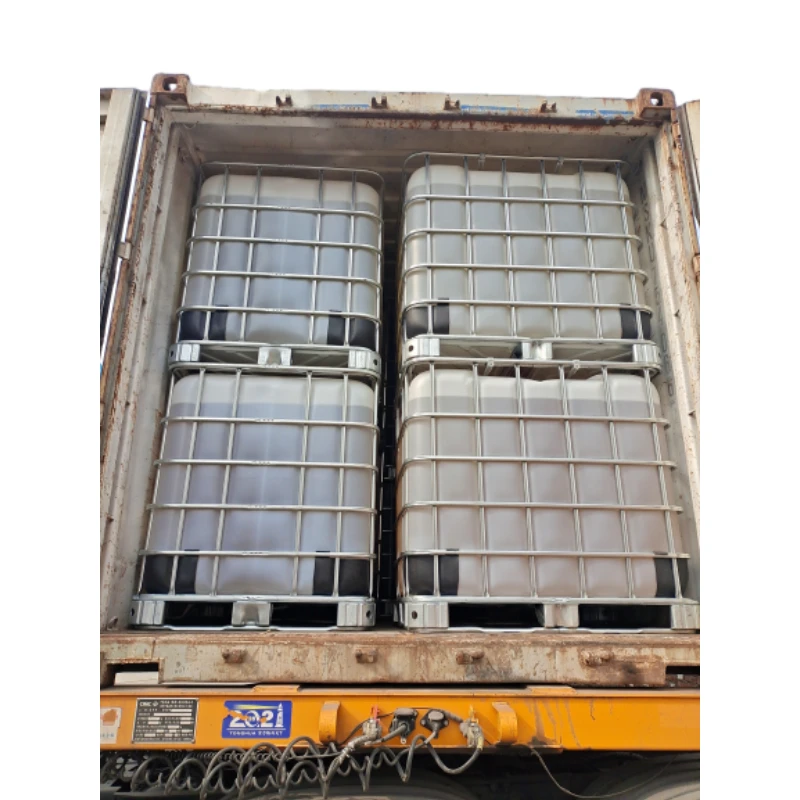
view more DiethanolisopropanolamineIn the ever-growing field of chemical solutions, diethanolisopropanolamine (DEIPA) stands out as a versatile and important compound. Due to its unique chemical structure and properties, DEIPA is of interest to various industries including construction, personal care, and agriculture. -
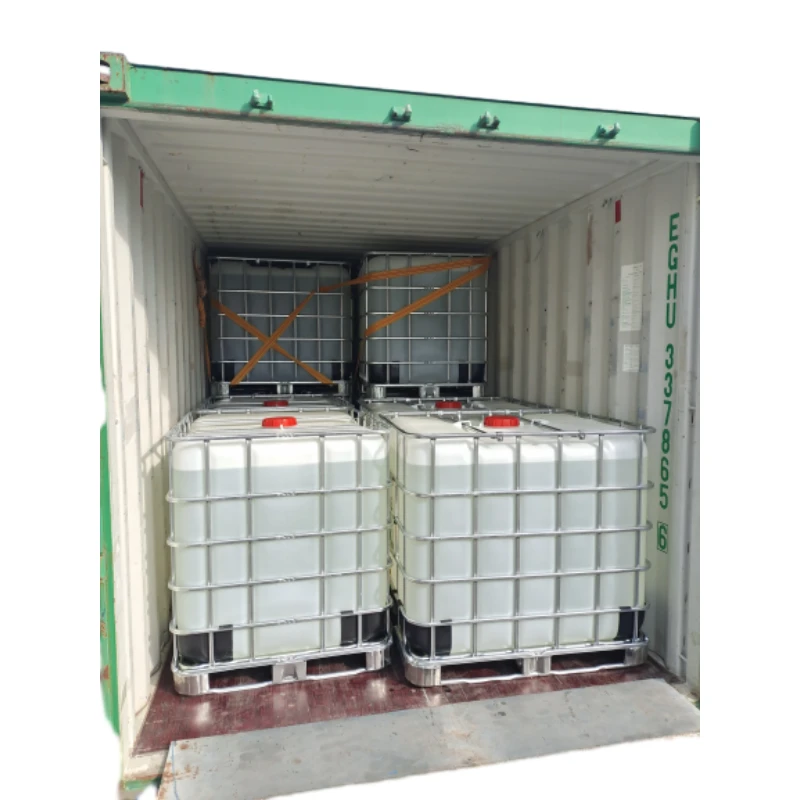
view more TriisopropanolamineTriisopropanolamine (TIPA) alkanol amine substance, is a kind of alcohol amine compound with amino and alcohol hydroxyl, and because of its molecules contains both amino and hydroxyl. -

view more Tetramethyl Thiuram DisulfideTetramethyl thiuram disulfide, also known as TMTD, is a white to light-yellow powder with a distinct sulfur-like odor. It is soluble in organic solvents such as benzene, acetone, and ethyl acetate, making it highly versatile for use in different formulations. TMTD is known for its excellent vulcanization acceleration properties, which makes it a key ingredient in the production of rubber products. Additionally, it acts as an effective fungicide and bactericide, making it valuable in agricultural applications. Its high purity and stability ensure consistent performance, making it a preferred choice for manufacturers across various industries.