





nitrogen fertilizer
The Importance of Nitrogen Fertilizer in Agriculture
Nitrogen is an essential nutrient for plant growth and development, making nitrogen fertilizers a crucial component of modern agriculture. Specifically, nitrogen plays a key role in several plant processes, including photosynthesis, chlorophyll formation, and protein synthesis. Due to the increasing global demand for food, the use of nitrogen fertilizers has become an indispensable practice for farmers seeking to enhance crop yields and ensure food security.
One of the primary reasons for the widespread use of nitrogen fertilizers is that nitrogen is often limited in soils. While atmospheric nitrogen (N₂) is abundant, most plants cannot utilize it directly. Instead, they require nitrogen in forms such as ammonium (NH₄⁺) or nitrate (NO₃⁻). Nitrogen fertilizers provide these forms, helping plants access the nutrient needed for their growth.
There are various types of nitrogen fertilizers, including synthetic options like urea, ammonium nitrate, and calcium ammonium nitrate, as well as organic sources such as manure and compost. Synthetic fertilizers are often favored for their high nitrogen content and immediate availability to plants. For instance, urea contains about 46% nitrogen, making it one of the most concentrated nitrogen fertilizers available. However, there is a growing interest in organic fertilizers, which not only provide nitrogen but also improve soil health and encourage biodiversity.
nitrogen fertilizer
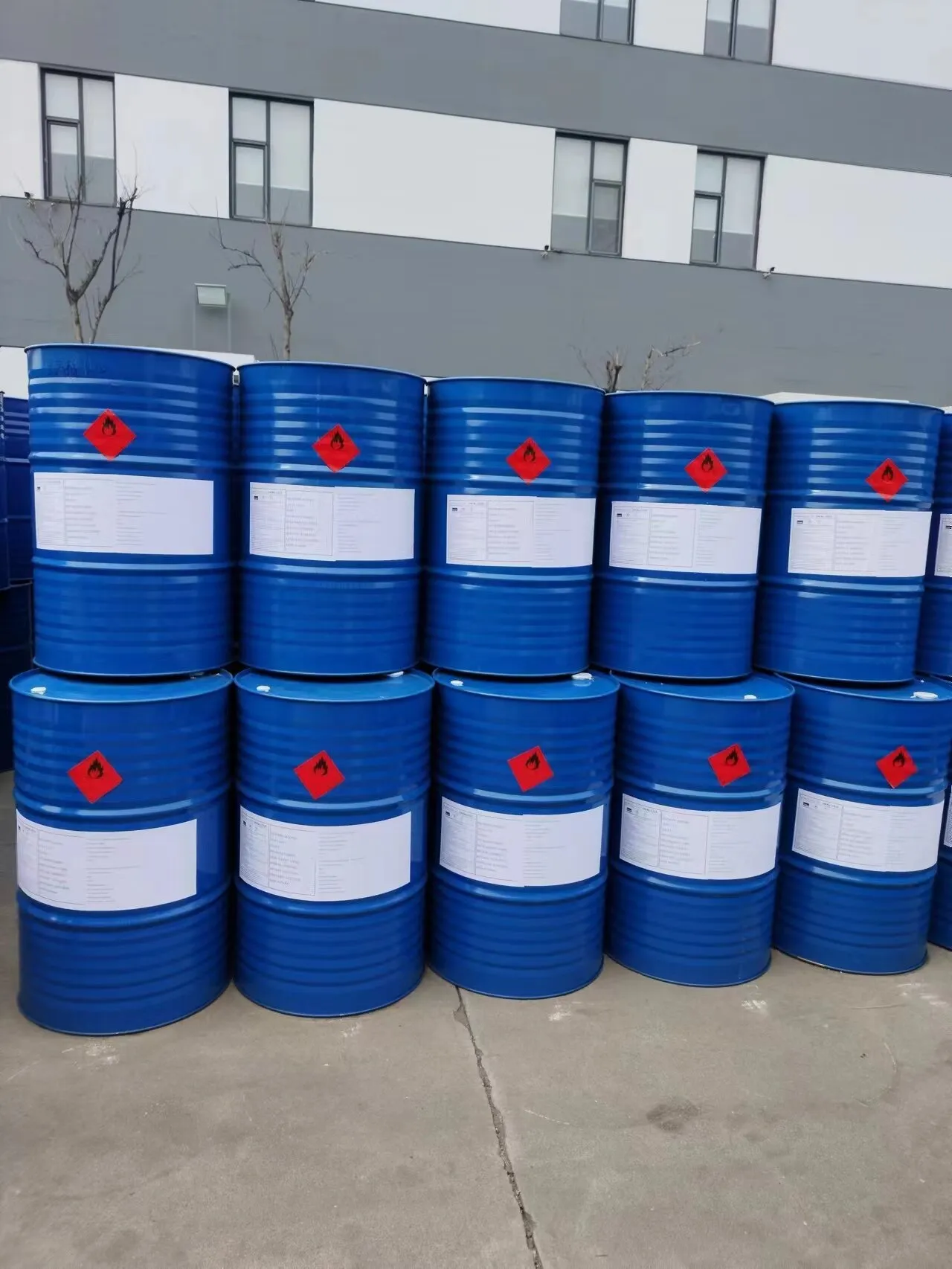
While nitrogen fertilizers can significantly boost crop production, their use must be managed carefully to mitigate environmental impacts. Over-application can lead to nitrogen leaching, which contaminates groundwater and contributes to waterway eutrophication—a process that causes excessive growth of algae and depletes oxygen levels in water bodies, harming aquatic life. Additionally, the production and use of synthetic nitrogen fertilizers can contribute to greenhouse gas emissions, prompting calls for more sustainable practices.
To address these concerns, farmers can adopt best management practices (BMPs) when using nitrogen fertilizers. These include conducting regular soil tests to determine appropriate application rates, timing applications to sync with crop uptake, and utilizing technologies such as precision agriculture to optimize fertilizer use. Cover cropping and crop rotation can also enhance soil nitrogen levels naturally, reducing reliance on synthetic fertilizers.
In conclusion, nitrogen fertilizers play a vital role in modern agriculture by promoting plant growth and ensuring food security. However, their use comes with environmental challenges that necessitate careful management and innovative practices. As the agricultural sector continues to evolve, finding a balance between maximizing productivity and maintaining ecological integrity will be crucial for sustainable food production in the future.
-
How to Choose Dimethyl Disulfide DMDS for Industrial UseNewsNov.09,2026
-
Aspartame Buyer FAQ: Sweetness, Specifications and ApplicationsNewsNov.02,2026
-
Aluminum Hydroxide FAQ: Specifications, Ordering and Support QuestionsNewsOct.28,2026
-
Improve Crop Yield with Premium Calcium Boron FertilizerNewsJul.01,2026
-
Ultimate Guide to Cal Mag Fertilizer for Boosting Plant HealthNewsJun.29,2026
-
Maximize Crop Recovery Using High Performance Bounce Back FertilizerNewsJun.27,2026
-
Maximize Crop Yields and Soil Health with Biozyme FertilizerNewsJun.26,2026
Hebei Tenger Chemical Technology Co., Ltd. focuses on the chemical industry and is committed to the export service of chemical raw materials.
-

view more Tplyltriazole(TTA)Tplyltriazole is a powerful and versatile corrosion inhibitor,it is a white particle or powder that is easily hygroscopic and can be processed into large, small, columnar, fine, or powdered shapes.It is a highly effective solution for preventing rust and corrosion on a variety of metal surfaces, making it an ideal choice for a wide range of applications. -

view more Formic AcidFormic acid, is a colorless, pungent-smelling liquid.With its unique properties and diverse applications that serves a wide range of industrial and commercial applications. -

view more Aluminum HydroxideAluminum Hydroxide, a versatile and essential product for a wide range of applications.This product is a white, amorphous powder that is insoluble in water and has a variety of uses in industries such as pharmaceuticals, cosmetics, and manufacturing.