





npk fertilizer
Understanding NPK Fertilizer A Comprehensive Guide
NPK fertilizer is a cornerstone in modern agriculture and gardening, essential for promoting healthy plant growth. The term NPK stands for the three critical nutrients it contains Nitrogen (N), Phosphorus (P), and Potassium (K). Each of these elements plays a vital role in the growth and development of plants.
The Importance of Each Nutrient
1. Nitrogen (N) Nitrogen is crucial for the growth of plants as it is a fundamental component of amino acids, which are the building blocks of proteins. It is also a key element of chlorophyll, the molecule that enables photosynthesis. This process allows plants to convert sunlight into energy. A deficiency in nitrogen often leads to stunted growth and yellowing leaves, known as chlorosis.
2. Phosphorus (P) Phosphorus is vital for energy transfer within plants, playing a significant role in the process of photosynthesis. It is also essential for root development, flowering, and fruiting. A phosphorus-deficient plant may exhibit stunted growth, poor flower and seed development, and dark green or purplish leaves.
3. Potassium (K) Potassium is important for overall plant health, helping to regulate various physiological processes. It aids in water regulation, enzyme activation, and photosynthesis. Additionally, potassium enhances a plant's ability to withstand diseases and adverse weather conditions. Symptoms of potassium deficiency may include scorched leaf edges, weak stems, and diminished fruit quality.
The NPK Ratio
NPK fertilizers come in various formulations with different ratios of these three nutrients, usually represented in a series of three numbers on the fertilizer package. For example, an NPK ratio of 10-20-10 indicates that the fertilizer contains 10% nitrogen, 20% phosphorus, and 10% potassium. Understanding these ratios is crucial for gardeners and farmers to select the right type of fertilizer for their specific plants' needs, as different plants require varying amounts of these nutrients at different growth stages.
Types of NPK Fertilizers
npk fertilizer
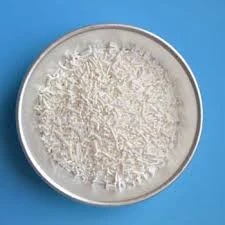
NPK fertilizers are available in both synthetic and organic forms.
- Synthetic NPK Fertilizers These are chemically manufactured and designed to provide quick nutrient availability to plants. They are often more concentrated and can lead to immediate results in plant growth.
- Organic NPK Fertilizers Derived from natural sources like compost, manure, and bone meal, organic fertilizers release nutrients more slowly. They not only nourish plants but also improve soil health and structure, promoting microbial activity.
Application and Considerations
The application of NPK fertilizers should be done thoughtfully to avoid over-fertilization, which can lead to nutrient runoff and environmental problems such as water pollution. Soil testing is recommended before applying NPK fertilizers to determine the existing nutrient levels and pH balance. This will ensure that the plants receive the right amount of nutrients without excess.
Moreover, seasonal applications aligned with the plant growth cycle can maximize nutrient uptake and minimize waste. For example, a higher nitrogen ratio in the early growth phase encourages lush foliage, while an increased ratio of phosphorus supports blooming and fruit production later on.
Conclusion
In conclusion, NPK fertilizers are essential tools in agriculture and gardening, helping to ensure healthy plant growth by providing necessary nutrients. By understanding the roles of nitrogen, phosphorus, and potassium, along with the appropriate usage and application techniques, gardeners and farmers can optimize their yields and promote sustainable practices. As we navigate the complexities of modern food production, NPK fertilizers continue to be a pivotal part of cultivating successful crops and thriving gardens.
-
Aspartame Buyer FAQ: Sweetness, Specifications and ApplicationsNewsNov.02,2026
-
Aluminum Hydroxide FAQ: Specifications, Ordering and Support QuestionsNewsOct.28,2026
-
Improve Crop Yield with Premium Calcium Boron FertilizerNewsJul.01,2026
-
Ultimate Guide to Cal Mag Fertilizer for Boosting Plant HealthNewsJun.29,2026
-
Maximize Crop Recovery Using High Performance Bounce Back FertilizerNewsJun.27,2026
-
Maximize Crop Yields and Soil Health with Biozyme FertilizerNewsJun.26,2026
-
Sustainable Agriculture Guide using bio organic fertilizerNewsJun.25,2026
Hebei Tenger Chemical Technology Co., Ltd. focuses on the chemical industry and is committed to the export service of chemical raw materials.
-

view more Tplyltriazole(TTA)Tplyltriazole is a powerful and versatile corrosion inhibitor,it is a white particle or powder that is easily hygroscopic and can be processed into large, small, columnar, fine, or powdered shapes.It is a highly effective solution for preventing rust and corrosion on a variety of metal surfaces, making it an ideal choice for a wide range of applications. -

view more Formic AcidFormic acid, is a colorless, pungent-smelling liquid.With its unique properties and diverse applications that serves a wide range of industrial and commercial applications. -

view more Aluminum HydroxideAluminum Hydroxide, a versatile and essential product for a wide range of applications.This product is a white, amorphous powder that is insoluble in water and has a variety of uses in industries such as pharmaceuticals, cosmetics, and manufacturing.