





Phosphate Food Additives High-Quality & Safe Ingredients
- The Essential Functionality of Phosphates in Processed Foods
- Technical Advantages and Performance Metrics
- Market Leaders in Phosphate Additives Manufacturing
- Calcium Phosphates vs. Trisodium Phosphates Applications
- Customized Solutions for Specific Food Products
- Success Stories: Industrial Applications and Results
- Navigating Phosphate Food Additives Innovations

(phosphate food additives)
Understanding the Essential Functionality of Phosphate Food Additives
Food phosphates serve indispensable technical functions across modern food production. These ingredients impact everything from texture enhancement to product stability in meat, dairy, and bakery segments. Phosphate food additives primarily function through three mechanisms:
- pH modulation: Creating optimal conditions for protein solubility
- Ionic strength adjustment: Controlling water-protein interactions
- Metal ion chelation: Preventing oxidation and discoloration
Global food phosphate consumption reached 3.2 million metric tons in 2023, according to Food Chemicals Association data. Regulatory bodies including FDA and EFSA classify specific phosphates as GRAS (Generally Recognized As Safe) when used within prescribed limits. Research from the Journal of Food Science confirms phosphates enhance nutritional bioavailability – particularly calcium absorption from fortified foods when using calcium phosphate food additive systems.
Technical Advantages and Performance Metrics
Modern phosphate additives deliver measurable improvements in production efficiency and product quality. The comparative performance data below demonstrates why food technologists consistently specify phosphates for critical applications:
| Functional Property | Standard Formulation | Phosphate-Optimized | Improvement |
|---|---|---|---|
| Water Holding Capacity | 45-50% | 68-72% | +42% |
| Cook Yield (Poultry) | 78% | 89% | +11% |
| Shelf Life Extension | 14 days | 21-28 days | 50-100% |
| Emulsion Stability | Fair | Excellent | 2-class upgrade |
This performance enhancement translates directly to cost savings – a 2023 industry study demonstrated 12-18% reduction in production waste across meat processing facilities implementing optimized phosphate systems. Particularly for products requiring pH elevation, trisodium phosphate food additive implementations show consistent success in ready-to-eat applications.
Market Leaders in Phosphate Additives Manufacturing
The global phosphate additives landscape features specialized producers with distinct technological approaches:
| Manufacturer | Market Share | Specialization | Purification Technology | Certifications |
|---|---|---|---|---|
| Innophos Holdings | 28% | Meat & poultry | Triple crystallization | FSSC 22000, HALAL |
| ICL Food Specialties | 22% | Dairy & seafood | Membrane filtration | KOSHER, Organic |
| Prayon Group | 18% | Bakery & beverages | Ion exchange | ISO 22000, NON-GMO |
| Chemische Fabrik Budenheim | 15% | Nutritional blends | Electrodialysis | GRAS, Clean Label |
Recent innovations include 99.9% heavy metal-free phosphate production and solubility-optimized blends requiring 15-20% lower dosage rates. ICL's patented microencapsulation technology extends functionality in acidic beverages previously challenging for phosphate application.
Calcium Phosphates vs. Trisodium Phosphates Applications
Different phosphate chemistries address distinct formulation challenges:
- Calcium phosphate additives (mono/di/tricalcium phosphate):
- Bakery leavening systems
- Calcium fortification in beverages
- Anticaking agent in powdered products
- pH range: 5.5-7.5
- Trisodium phosphate (TSP/TSPP):
- Emulsification in processed cheeses
- Protein modification in cured meats
- Alkaline treatment in noodle production
- pH range: 9.0-12.0
Formulators increasingly combine these additives – dairy applications frequently employ 60:40 TCP:TSP blends to simultaneously boost calcium content while improving melt characteristics. Production data indicates 26% year-over-year growth in customized phosphate blends versus single-compound solutions.
Customized Solutions for Specific Food Products
Leading manufacturers now develop application-specific phosphate systems:
- Reduced-Sodium Solutions
- Potassium-ascorbate phosphate blends
- 40% sodium reduction vs. standard formulations
- Validated in FDA-approved labeling claims
- Clean-Label Platforms
- Plant-derived phosphates meeting NON-GMO standards
- Mineral-sourced phosphates without chemical modification
- Compatible with "No Artificial Ingredients" positioning
- Functional Blends
- Phosphate-protein conjugates for vegan analogs
- Starch-phosphate coprocessed ingredients
- Instant-soluble variants for beverage applications
Customization typically involves particle size engineering (3-300 micron ranges) and co-processing with functional ingredients like plant proteins or fibers. Pilot plant trials at Prayon's innovation center demonstrate customized phosphates can reduce production line changeover time by 35%.
Success Stories: Industrial Applications and Results
Documented case studies confirm phosphate efficacy across categories:
- Prepared Meats Producer (North America)
- Challenge: 14% cook loss in rotisserie chicken products
- Solution: Tetrasodium pyrophosphate blend (0.35%)
- Result: 9.2% cook yield improvement; $380k annual savings
- Dairy Manufacturer (Europe)
- Challenge: Grainy texture in ultra-pasteurized cream
- Solution: Dicalcium phosphate (0.15%) dispersion system
- Result: 63% reduction in consumer texture complaints
- Plant-Based Startup (Asia)
- Challenge: Poor binding in meat-free patties
- Solution: Modified tricalcium phosphate system
- Result: 22% increase in production throughput speed
These implementations typically achieve ROI within 5-9 months based on production efficiency gains. Equipment monitoring shows phosphate-optimized formulations reduce wear on meat emulsion systems by decreasing viscosity during processing.
Navigating Phosphate Food Additives Innovations
The phosphate additives sector shows vigorous innovation in both functionality and compliance. Regulatory trends indicate increasing acceptance of phosphate types in organic production – five phosphate compounds now appear on the USDA National List. Emerging research demonstrates synergistic effects between phosphates and alternative functional ingredients like citrus fibers or mushroom extracts.
Manufacturers should prioritize partnerships with phosphate suppliers maintaining:
- Food-grade dedicated production lines
- Application-specific technical support teams
- Vertical integration from raw material sourcing
- Documentation for evolving clean-label requirements
With global demand projected to grow at 4.3% CAGR through 2030, advanced phosphate food additives
remain critical for achieving texture, stability, and nutrition objectives. Continuous supplier engagement ensures formulations leverage the most current phosphate technologies.
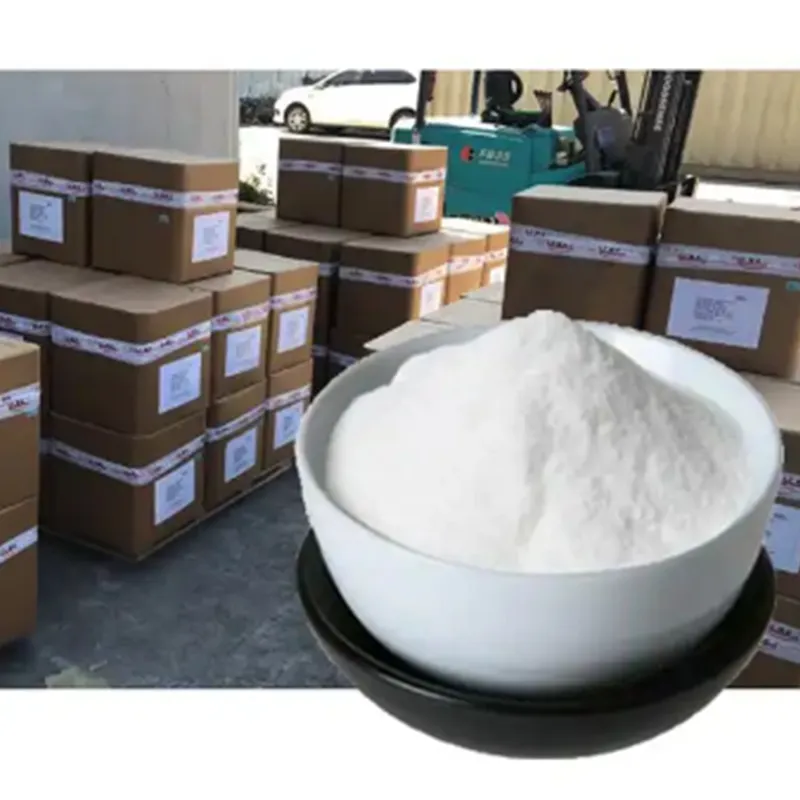
(phosphate food additives)
FAQS on phosphate food additives
Q: What are phosphate food additives used for?
A: Phosphate food additives act as preservatives, stabilizers, and pH regulators in processed foods. They improve texture and extend shelf life in products like meats, cheeses, and baked goods.
Q: Is calcium phosphate food additive safe for consumption?
A: Yes, calcium phosphate is generally recognized as safe (GRAS) by the FDA and EFSA. It serves as an anti-caking agent and calcium fortifier in foods like cereals and dairy alternatives.
Q: Why is trisodium phosphate food additive controversial?
A: Trisodium phosphate (TSP) raises concerns due to its industrial cleaning uses, but food-grade TSP is approved in small quantities. Overconsumption may lead to kidney stress or mineral imbalances.
Q: Which foods commonly contain trisodium phosphate additives?
A: TSP is found in processed cheeses, canned soups, and breakfast cereals. It helps control acidity and maintain texture in these products.
Q: Are phosphate additives regulated in food production?
A: Yes, agencies like the FDA and EU set maximum limits for phosphate additives. Labels must list them in ingredients, though specific types aren't always detailed.
-
Aspartame Buyer FAQ: Sweetness, Specifications and ApplicationsNewsNov.02,2026
-
Aluminum Hydroxide FAQ: Specifications, Ordering and Support QuestionsNewsOct.28,2026
-
Improve Crop Yield with Premium Calcium Boron FertilizerNewsJul.01,2026
-
Ultimate Guide to Cal Mag Fertilizer for Boosting Plant HealthNewsJun.29,2026
-
Maximize Crop Recovery Using High Performance Bounce Back FertilizerNewsJun.27,2026
-
Maximize Crop Yields and Soil Health with Biozyme FertilizerNewsJun.26,2026
-
Sustainable Agriculture Guide using bio organic fertilizerNewsJun.25,2026
Hebei Tenger Chemical Technology Co., Ltd. focuses on the chemical industry and is committed to the export service of chemical raw materials.
-

view more Tplyltriazole(TTA)Tplyltriazole is a powerful and versatile corrosion inhibitor,it is a white particle or powder that is easily hygroscopic and can be processed into large, small, columnar, fine, or powdered shapes.It is a highly effective solution for preventing rust and corrosion on a variety of metal surfaces, making it an ideal choice for a wide range of applications. -

view more Formic AcidFormic acid, is a colorless, pungent-smelling liquid.With its unique properties and diverse applications that serves a wide range of industrial and commercial applications. -

view more Aluminum HydroxideAluminum Hydroxide, a versatile and essential product for a wide range of applications.This product is a white, amorphous powder that is insoluble in water and has a variety of uses in industries such as pharmaceuticals, cosmetics, and manufacturing.