





Properties and Applications of Phosphoric Acid in Industrial Processes and Chemical Reactions
Understanding Phosphoric Acid Structure, Properties, and Applications
Phosphoric acid, with the chemical formula H₃PO₄, is an inorganic acid that is widely used in various industries and laboratories. It is a clear, colorless liquid that is non-volatile and hygroscopic, which means it can absorb moisture from the air. As a tri-basic acid, each molecule of phosphoric acid can donate three protons (H⁺ ions), making it a versatile compound in many chemical reactions.
Structure and Properties
Phosphoric acid is composed of one phosphorus atom surrounded by four oxygen atoms. Three of these oxygen atoms are bonded to hydrogen atoms, while one is double-bonded to phosphorus. This structure enables the formation of different phosphate ions, such as dihydrogen phosphate (H₂PO₄⁻), hydrogen phosphate (HPO₄²⁻), and phosphate (PO₄³⁻), depending on the pH of the solution.
Phosphoric acid has a molecular weight of 97.994 g/mol and a boiling point of 158 °C. It is soluble in water, where it ionizes partially to release hydrogen ions, imparting it with acidic properties. The pH of phosphoric acid solutions generally ranges from 1 to 2, depending on the concentration, which makes it relatively strong compared to other weak acids but still less intense than stronger mineral acids like sulfuric acid.
Production Methods
Phosphoric acid is typically produced through two primary processes the wet process and the thermal process. The wet process involves the reaction of sulfuric acid with phosphate rock, which yields phosphoric acid and calcium sulfate as a by-product. This method is favored for its efficiency and ability to produce food-grade phosphoric acid used in beverages and food applications.
In contrast, the thermal process involves the combustion of phosphorus in the presence of oxygen and water, resulting in a higher purity product. This method is commonly used in the production of phosphoric acid for industrial purposes.
Applications
Phosphoric acid has diverse applications across various sectors
phosphoric acid 7664 38 2
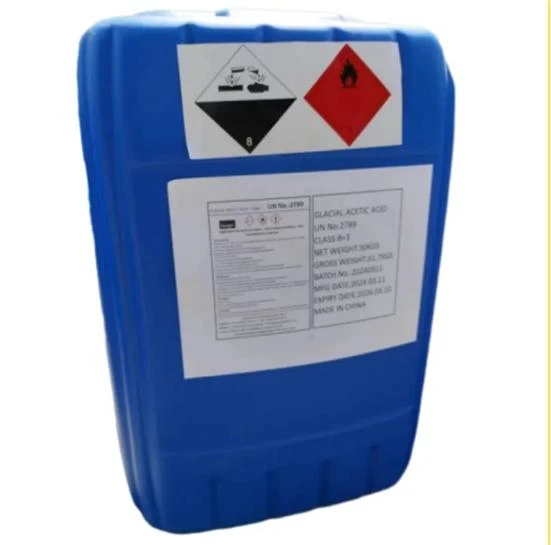
1. Food and Beverage Industry Phosphoric acid is widely used as an acidulant in soft drinks, providing a tangy flavor and acting as a preservative. It helps to enhance the taste while preventing the growth of microorganisms, thereby maintaining the product's stability.
2. Fertilizer Production One of the most significant uses of phosphoric acid is in the manufacture of fertilizers. It is a key ingredient in the production of phosphate fertilizers, which are essential for enhancing crop yield and soil fertility.
3. Chemical Manufacturing Phosphoric acid serves as a precursor in the production of phosphates used in detergents, ceramics, and agrochemicals. It is also employed in the synthesis of various chemicals, including phosphonates and phosphates.
4. Metal Treatment In metallurgy, phosphoric acid is used in the descaling and rust removal processes. It can convert rust into a protective layer, enhancing the longevity of metals and improving their corrosion resistance.
5. Dental and Medical Applications Phosphoric acid finds uses in dentistry for etching tooth enamel before the application of dental sealants or adhesives. In medicine, it is sometimes used as a pH adjuster in various pharmaceutical formulations.
Safety and Environmental Considerations
While phosphoric acid is generally regarded as safe when handled properly, it can pose health hazards in concentrated forms. It can cause skin and eye irritation, and ingestion may lead to more severe health problems. Therefore, it is essential to adhere to safety protocols, including wearing appropriate protective gear and ensuring good ventilation in working areas.
Environmental considerations surrounding phosphoric acid usually focus on its production and use in agriculture. Overapplication of phosphate fertilizers can lead to runoff into water systems, promoting algal blooms that can disrupt aquatic ecosystems. Therefore, proper management and application techniques are crucial to minimize these risks.
Conclusion
In conclusion, phosphoric acid is a multifaceted compound that plays an essential role in food production, agriculture, chemical manufacturing, and more. Its versatile nature and various applications make it a vital ingredient across multiple industries. Understanding its properties, production methods, and proper handling can help maximize its benefits while minimizing health and environmental risks. As industries continue to evolve, the importance of phosphoric acid remains significant in meeting global agricultural and industrial demands.
-
Aspartame Buyer FAQ: Sweetness, Specifications and ApplicationsNewsNov.02,2026
-
Aluminum Hydroxide FAQ: Specifications, Ordering and Support QuestionsNewsOct.28,2026
-
Improve Crop Yield with Premium Calcium Boron FertilizerNewsJul.01,2026
-
Ultimate Guide to Cal Mag Fertilizer for Boosting Plant HealthNewsJun.29,2026
-
Maximize Crop Recovery Using High Performance Bounce Back FertilizerNewsJun.27,2026
-
Maximize Crop Yields and Soil Health with Biozyme FertilizerNewsJun.26,2026
-
Sustainable Agriculture Guide using bio organic fertilizerNewsJun.25,2026
Hebei Tenger Chemical Technology Co., Ltd. focuses on the chemical industry and is committed to the export service of chemical raw materials.
-

view more Tplyltriazole(TTA)Tplyltriazole is a powerful and versatile corrosion inhibitor,it is a white particle or powder that is easily hygroscopic and can be processed into large, small, columnar, fine, or powdered shapes.It is a highly effective solution for preventing rust and corrosion on a variety of metal surfaces, making it an ideal choice for a wide range of applications. -

view more Formic AcidFormic acid, is a colorless, pungent-smelling liquid.With its unique properties and diverse applications that serves a wide range of industrial and commercial applications. -

view more Aluminum HydroxideAluminum Hydroxide, a versatile and essential product for a wide range of applications.This product is a white, amorphous powder that is insoluble in water and has a variety of uses in industries such as pharmaceuticals, cosmetics, and manufacturing.