





Exploring the Agricultural Applications of Phosphoric Acid for Enhanced Crop Growth
The Role of Phosphoric Acid in Agriculture
Phosphoric acid, a key chemical compound derived from phosphorus, plays an essential role in agriculture, particularly in the formulation of fertilizers. As a vital macronutrient, phosphorus is crucial for plant growth and development, influencing various physiological and biochemical processes. The use of phosphoric acid in agricultural practices impacts crop yield, soil health, and overall agricultural productivity.
Importance of Phosphorus in Agriculture
Phosphorus is one of the three primary nutrients required by plants, along with nitrogen and potassium. It is integral to processes such as energy transfer, photosynthesis, and the synthesis of nucleic acids and cell membranes. Phosphorus helps establish strong root systems, promotes flowering and fruiting, and enhances the plant's resilience to disease and environmental stress. Without adequate phosphorus, crops may exhibit stunted growth, decreased yields, and poor quality produce.
Phosphoric Acid in Fertilizer Production
Phosphoric acid is primarily used in the production of phosphate fertilizers, which are essential for replenishing the phosphorus levels in the soil. These fertilizers come in various formulations, including monoammonium phosphate (MAP), diammonium phosphate (DAP), and superphosphate. Each type provides phosphorus in a form readily accessible to plants, facilitating efficient nutrient uptake.
The manufacturing process of phosphoric acid begins with the mining of phosphate rock. This rock is then treated with sulfuric acid, resulting in the formation of phosphoric acid and gypsum. The phosphoric acid thus produced is concentrated and purified for use in fertilizer production. This process underscores the significance of phosphoric acid as a cornerstone of modern agriculture, contributing to the global food supply.
Environmental Considerations
phosphoric acid agriculture use
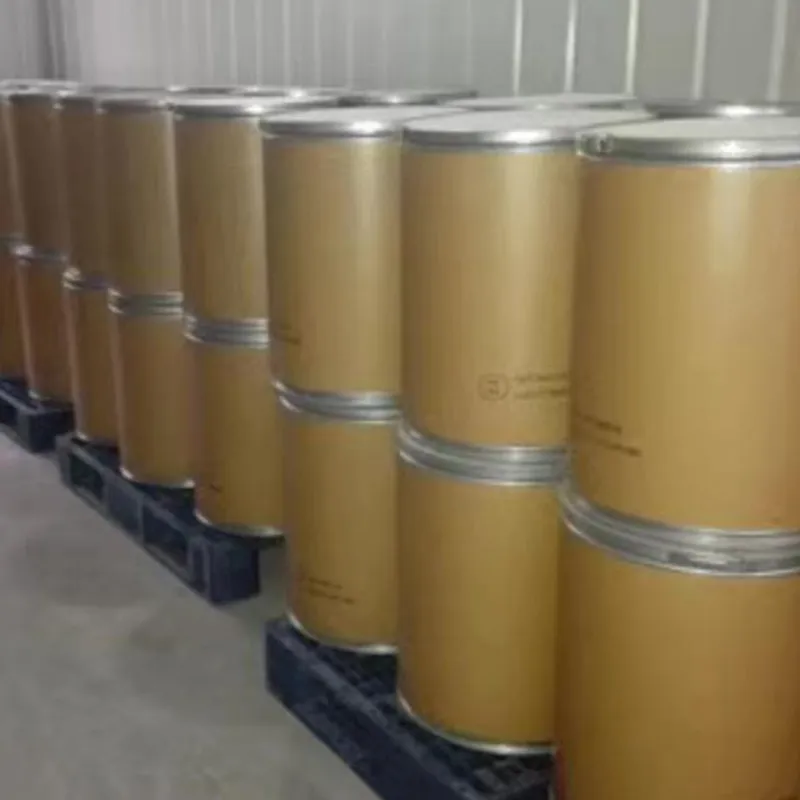
While phosphoric acid and phosphate fertilizers are indispensable for maximizing agricultural output, their use also raises environmental concerns. Excessive application of phosphorus can lead to water pollution through runoff, causing eutrophication in nearby water bodies. This process leads to oxygen depletion and detrimental effects on aquatic ecosystems. Sustainable practices must be adopted to mitigate these impacts, focusing on balanced fertilizer application, soil testing, and integrated nutrient management practices.
Farmers are increasingly encouraged to adopt precision agriculture techniques, which optimize fertilizer use by applying the right amount of phosphorus at the right time and place. This not only helps improve crop yields but also minimizes the environmental footprint associated with excess phosphorus.
Future Directions
Innovations in agricultural practices and phosphorus management are underway, with ongoing research into phosphoric acid's applications. There is a growing interest in developing slow-release fertilizers that improve phosphorus use efficiency and reduce the risks of runoff. Additionally, efforts to recycle phosphorus from organic waste and wastewater are gaining traction. These initiatives aim to create a circular economy in agriculture, reducing dependence on mined phosphates and minimizing environmental impacts.
Moreover, advancements in biotechnology may provide solutions for enhancing phosphorus uptake by plants. Genetic engineering and the development of crop varieties that require less phosphorus or can utilize soil phosphorus more efficiently could revolutionize phosphorus management practices.
Conclusion
Phosphoric acid is a critical component of modern agriculture, directly influencing crop productivity and sustainability. Its role in fertilizer production underscores the importance of balanced nutrient management for enhancing food security while protecting the environment. As agricultural practices continue to evolve, finding sustainable solutions for phosphorus use will be paramount in ensuring the health of our ecosystems and the productivity of our farms. Continued research and innovation are essential for addressing the challenges associated with phosphorus in agriculture, paving the way for a more resilient and sustainable agricultural future.
-
How to Choose Dimethyl Disulfide DMDS for Industrial UseNewsNov.09,2026
-
Aspartame Buyer FAQ: Sweetness, Specifications and ApplicationsNewsNov.02,2026
-
Aluminum Hydroxide FAQ: Specifications, Ordering and Support QuestionsNewsOct.28,2026
-
Improve Crop Yield with Premium Calcium Boron FertilizerNewsJul.01,2026
-
Ultimate Guide to Cal Mag Fertilizer for Boosting Plant HealthNewsJun.29,2026
-
Maximize Crop Recovery Using High Performance Bounce Back FertilizerNewsJun.27,2026
-
Maximize Crop Yields and Soil Health with Biozyme FertilizerNewsJun.26,2026
Hebei Tenger Chemical Technology Co., Ltd. focuses on the chemical industry and is committed to the export service of chemical raw materials.
-

view more Tplyltriazole(TTA)Tplyltriazole is a powerful and versatile corrosion inhibitor,it is a white particle or powder that is easily hygroscopic and can be processed into large, small, columnar, fine, or powdered shapes.It is a highly effective solution for preventing rust and corrosion on a variety of metal surfaces, making it an ideal choice for a wide range of applications. -

view more Formic AcidFormic acid, is a colorless, pungent-smelling liquid.With its unique properties and diverse applications that serves a wide range of industrial and commercial applications. -

view more Aluminum HydroxideAluminum Hydroxide, a versatile and essential product for a wide range of applications.This product is a white, amorphous powder that is insoluble in water and has a variety of uses in industries such as pharmaceuticals, cosmetics, and manufacturing.