





Benefits of Phosphoric Acid for Plant Growth and Nutrient Uptake
Phosphoric acid is an important compound that plays a crucial role in plant nutrition and development. As a key source of phosphorus, it contributes to various physiological and biochemical processes vital for plant growth. Understanding the significance of phosphoric acid can help farmers and gardeners optimize their fertilization strategies and improve crop yields.
Plants require phosphorus in the form of phosphates for several essential functions. It is a critical component of ATP (adenosine triphosphate), which is necessary for energy transfer within plant cells. Additionally, phosphorus is a major constituent of nucleic acids, including DNA and RNA, which are vital for cell division, growth, and reproduction. The availability of phosphoric acid in the soil directly impacts these processes.
.
Moreover, phosphoric acid plays a significant role in the flowering and fruiting stages of plant development. Sufficient phosphorus levels promote the formation of flowers and increase fruit set and quality. Consequently, crops treated with phosphoric acid tend to have higher yields and improved overall quality, which is essential for farmers looking to maximize their production.
phosphoric acid for plants
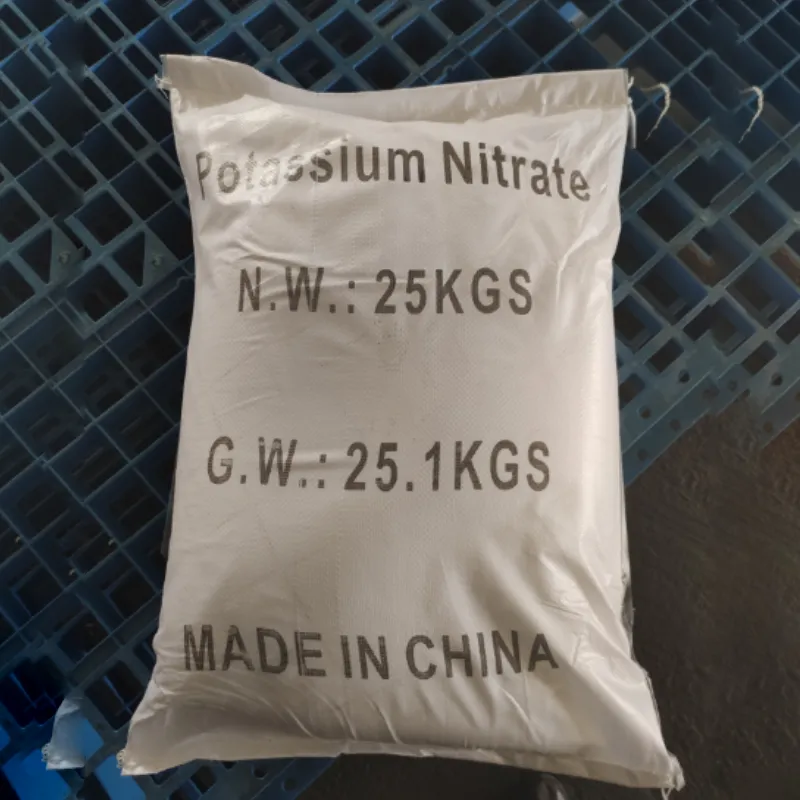
It is important to note that while phosphoric acid is beneficial for plant growth, it should be used in moderation. Over-application can lead to nutrient imbalances in the soil, potentially harming plants and the surrounding ecosystem. Responsible use involves conducting soil tests to determine phosphorus levels and adjusting fertilization practices accordingly. Integrating phosphoric acid into a balanced fertilizer program can enhance plant health without causing adverse effects.
Additionally, phosphoric acid can aid in soil amendment practices. Its application can help improve soil structure and increase the bioavailability of essential nutrients, promoting a healthier growing environment for plants. Moreover, it can assist in the remediation of soils that are deficient in phosphorus, making it a valuable tool for sustainable agriculture.
In summary, phosphoric acid is a vital element for plant health and development. Its influence on energy transfer, root growth, and reproductive success makes it an indispensable part of agricultural practices. By understanding the significance of phosphoric acid and utilizing it responsibly, farmers and gardeners can achieve optimal plant growth and enhance their overall productivity.
-
How to Choose Dimethyl Disulfide DMDS for Industrial UseNewsNov.09,2026
-
Aspartame Buyer FAQ: Sweetness, Specifications and ApplicationsNewsNov.02,2026
-
Aluminum Hydroxide FAQ: Specifications, Ordering and Support QuestionsNewsOct.28,2026
-
Improve Crop Yield with Premium Calcium Boron FertilizerNewsJul.01,2026
-
Ultimate Guide to Cal Mag Fertilizer for Boosting Plant HealthNewsJun.29,2026
-
Maximize Crop Recovery Using High Performance Bounce Back FertilizerNewsJun.27,2026
-
Maximize Crop Yields and Soil Health with Biozyme FertilizerNewsJun.26,2026
Hebei Tenger Chemical Technology Co., Ltd. focuses on the chemical industry and is committed to the export service of chemical raw materials.
-

view more Tplyltriazole(TTA)Tplyltriazole is a powerful and versatile corrosion inhibitor,it is a white particle or powder that is easily hygroscopic and can be processed into large, small, columnar, fine, or powdered shapes.It is a highly effective solution for preventing rust and corrosion on a variety of metal surfaces, making it an ideal choice for a wide range of applications. -

view more Formic AcidFormic acid, is a colorless, pungent-smelling liquid.With its unique properties and diverse applications that serves a wide range of industrial and commercial applications. -

view more Aluminum HydroxideAluminum Hydroxide, a versatile and essential product for a wide range of applications.This product is a white, amorphous powder that is insoluble in water and has a variety of uses in industries such as pharmaceuticals, cosmetics, and manufacturing.