





polar protic and aprotic solvents
Understanding Polar Protic and Aprotitic Solvents
Solvents play a crucial role in chemistry, particularly in the dissolution of substances, reaction kinetics, and the overall efficiency of chemical processes. Among the classifications of solvents, polar protic and polar aprotic solvents stand out due to their unique properties that influence various chemical reactions. Understanding the distinctions between these two types of solvents is essential for chemists when choosing the right medium for specific reactions.
Polar Protic Solvents
Polar protic solvents are characterized by the presence of -OH (hydroxyl) or -NH (amino) functional groups in their molecular structure. These solvents can engage in hydrogen bonding due to their ability to donate protons (H+). Common examples of polar protic solvents include water, alcohols (like ethanol and methanol), and carboxylic acids.
The primary features of polar protic solvents include
1. Hydrogen Bonding Their ability to donate hydrogen bonds makes them effective at solvating ions and polar molecules. This property facilitates various chemical reactions, particularly those involving ionic species.
2. High Dielectric Constant Polar protic solvents generally possess a high dielectric constant, which helps to reduce the electrostatic forces between charged particles in solution. This behavior is crucial for stabilizing ions, making these solvents suitable for polar reactions.
3. Solvation Effects These solvents stabilize ions through solvation shells formed by their polar nature. This stabilization is vital in reactions like nucleophilic substitutions, where the solvation of nucleophiles affects their reactivity.
While polar protic solvents offer advantages, they are not without limitations. Their ability to solvate nucleophiles and stabilize ions can also lead to lower reactivity in certain reactions, potentially hindering desired chemical transformations.
polar protic and aprotic solvents
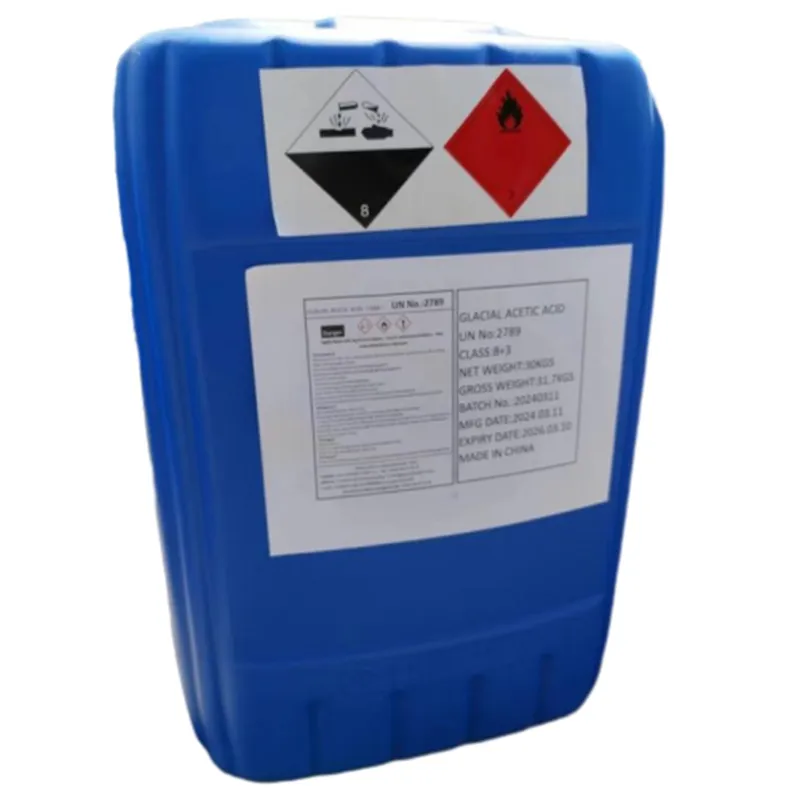
Polar Aprotic Solvents
In contrast, polar aprotic solvents lack hydrogen atoms attached to electronegative atoms. They do not have the capacity to donate protons, which fundamentally alters their interaction with ionic species. Common examples of polar aprotic solvents include dimethyl sulfoxide (DMSO), acetone, and acetonitrile.
Key characteristics of polar aprotic solvents include
1. Strong Solvation of Cations Polar aprotic solvents effectively solvate cations through their dipole moment, leading to a different solvation dynamic compared to polar protic solvents. However, they do not stabilize anions as effectively, which can enhance the nucleophilicity of anions.
2. Increased Reactivity The absence of hydrogen bond donation means that nucleophiles remain less hindered, allowing for increased reactivity in substitution reactions. This property is particularly advantageous in organic synthesis where highly reactive conditions are desired.
3. Lower Dielectric Constant Generally, polar aprotic solvents have a lower dielectric constant than polar protic solvents. This aspect can influence the solubility of ionic compounds and the overall behavior of the solvent in reactions involving ionic species.
Applications and Implications
The choice between polar protic and polar aprotic solvents can have profound implications on the outcome of chemical reactions. For instance, in nucleophilic substitution reactions, polar aprotic solvents are often preferred because of their ability to enhance nucleophilicity by not solvating anions too strongly. Conversely, polar protic solvents might be favored in reactions where ionic stabilization is crucial.
In conclusion, the understanding of polar protic and aprotic solvents is fundamental for chemists in various fields. Each type of solvent offers unique advantages and drawbacks which can significantly affect reaction rates, mechanisms, and products. Selecting the appropriate solvent is therefore essential in optimizing yields and achieving desired outcomes in chemical synthesis. As the field of chemistry continues to evolve, the exploration of solvent properties and their implications will remain a vital area of research and application.
-
Aspartame Buyer FAQ: Sweetness, Specifications and ApplicationsNewsNov.02,2026
-
Aluminum Hydroxide FAQ: Specifications, Ordering and Support QuestionsNewsOct.28,2026
-
Improve Crop Yield with Premium Calcium Boron FertilizerNewsJul.01,2026
-
Ultimate Guide to Cal Mag Fertilizer for Boosting Plant HealthNewsJun.29,2026
-
Maximize Crop Recovery Using High Performance Bounce Back FertilizerNewsJun.27,2026
-
Maximize Crop Yields and Soil Health with Biozyme FertilizerNewsJun.26,2026
-
Sustainable Agriculture Guide using bio organic fertilizerNewsJun.25,2026
Hebei Tenger Chemical Technology Co., Ltd. focuses on the chemical industry and is committed to the export service of chemical raw materials.
-

view more Tplyltriazole(TTA)Tplyltriazole is a powerful and versatile corrosion inhibitor,it is a white particle or powder that is easily hygroscopic and can be processed into large, small, columnar, fine, or powdered shapes.It is a highly effective solution for preventing rust and corrosion on a variety of metal surfaces, making it an ideal choice for a wide range of applications. -

view more Formic AcidFormic acid, is a colorless, pungent-smelling liquid.With its unique properties and diverse applications that serves a wide range of industrial and commercial applications. -

view more Aluminum HydroxideAluminum Hydroxide, a versatile and essential product for a wide range of applications.This product is a white, amorphous powder that is insoluble in water and has a variety of uses in industries such as pharmaceuticals, cosmetics, and manufacturing.